2026-10-22
Content
Your cold-weather lineup needs a fabric that can handle two very different jobs: a lofty insulating layer for chilly outdoor mornings, and a soft, breathable layer for relaxed indoor evenings. The two candidates on your desk are fleece and flannel. They look similar after a quick glance at a pair of sample swatches — both warm, both fuzzy — but their construction, performance, and end-use are completely different.
The short answer: fleece is a synthetic knit engineered to trap heat in air pockets, while flannel is a woven fabric, usually cotton or wool, brushed on both sides for a soft, matte finish. Every buying decision below — weight, care, durability, and garment type — goes back to that single structural distinction.
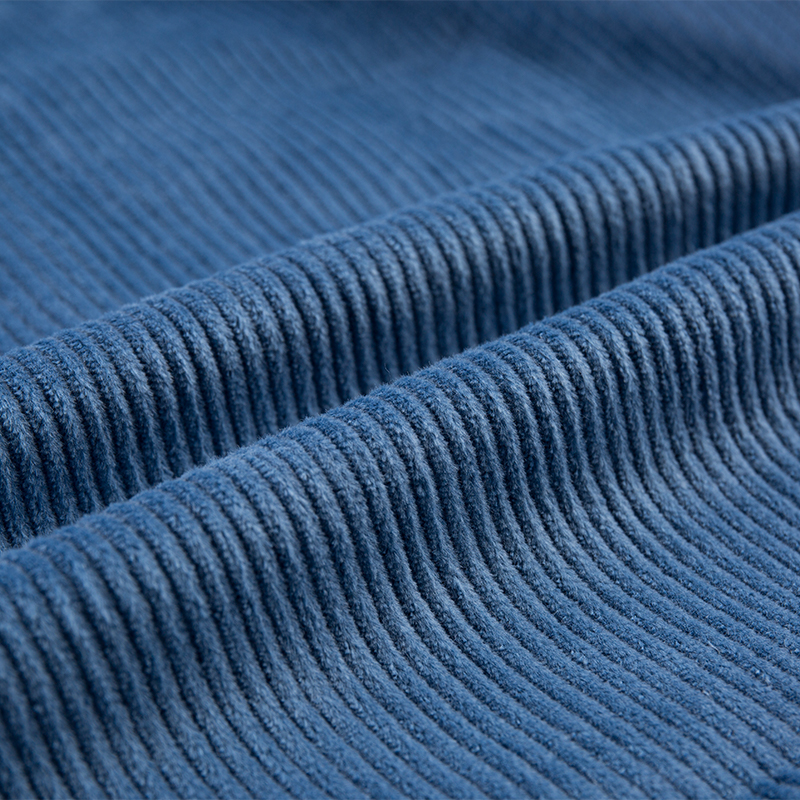
Fleece is a knitted fabric made from polyester, often recycled. During production, the fibers are brushed to create a raised, fluffy pile. That pile forms thousands of tiny air pockets that trap body heat and slow down heat loss. Because it is knitted, fleece has stretch and recovery, which means it moves with the body and layers easily. Typical applications include hoodies, full-zip jackets, throws, and mid-layers for outdoor or active work. Its high warmth-to-weight ratio and quick drying time are the main reasons it became a standard in casual and performance apparel.
Flannel is a woven fabric, traditionally made from wool and now most commonly from cotton. It is produced in a plain or twill weave, then brushed on both sides to lift loose fibers and create a soft, blurred surface. The woven construction gives flannel more structure than fleece, so it stays crisp through washing, holds buttons well, and makes neat shirt collars. Flannel is most at home in button-up shirts, pajamas, bed sheets, and relaxed casual jackets. If you are evaluating how the brushing process changes insulation, our article on why brushed cotton is more effective at trapping heat explains the mechanism in more detail.
The one-sentence summary: fleece is a synthetic knit that insulates with trapped air; flannel is a woven natural fabric that insulates with fiber density and a brushed surface.
| Aspect | Fleece | Flannel |
|---|---|---|
| Material | Polyester, often recycled | Cotton, wool, or cotton blends |
| Structure | Knitted | Woven, plain or twill |
| Hand feel | Fluffy, spongy, plush | Soft, brushed, matte |
| Warmth-to-weight | Excellent | Moderate |
| Breathability | Moderate | Good |
| Moisture behavior | Wicks sweat, dries fast | Absorbs moisture, dries slower |
| Wind resistance | Low to moderate | Moderate to good |
| Care | Machine wash, low heat | Cotton may shrink; wool needs gentle care |
| Common uses | Hoodies, jackets, blankets, mid-layers | Shirts, sleepwear, bedding, casual jackets |
These are general differences rather than fixed rules. A tightly woven brushed cotton flannel, for example, can outperform a lightweight fleece in comfort and wind protection, even if it does not match fleece's raw insulation per gram.
Warmth per gram: fleece wins. The lofty pile creates a thick layer of still air, which is one of the most effective low-cost insulators available to a garment manufacturer. Flannel relies on denser fibers and a brushed face; it feels warm immediately against the skin, but it cannot reach the same warmth-to-weight ratio unless the flannel is very heavyweight or blended with wool.
Breathability and moisture: flannel is more breathable because cotton fibers allow air to pass through and also absorb moisture. That makes it comfortable in mild weather but heavy when damp. Fleece is less breathable, yet its polyester fibersdo not absorb water. A fleece layer stays insulating even when a wearer sweats, which is why it is so reliable for transitional weather and active motion.
Wind and weather: the open knit of fleece lets wind cut through easily. Flannel's denser weave blocks light breezes better, but it is not a waterproof membrane. For cold, windy days, a flannel shirt under a fleece jacket is a classic and effective combination.
Care and durability: fleece is easy to wash and dries quickly, but polyester is heat-sensitive, and high dryer temperatures can melt or distort the fibers. Cotton flannel can shrink noticeably in the first wash if it has not been pre-shrunk, and it softens with every cycle. Wool flannel requires dry cleaning or a delicate wool wash. From a production standpoint, plan for finishing and pre-shrink treatment before cutting if you order flannel.
Before you select, ask three questions:
When a brand asks for a fabric that combines the softness of flannel with the stability of a woven construction, brushed cotton check fabrics offer a practical answer. They are built on a woven cotton base with a brushed face, so they behave like classic flannel during sewing and cutting while adding structure and color fastness. Three of our most requested options for garment and loungewear production are:
 Soft Brushed Cotton Check Fabric for Garments and Home TextilesThis woven cotton flannel-style fabric offers a brushed, skin-friendly surface with a classic plaid look. It suits autumn and winter casual wear, jackets, and bedding while providing breathable comfort and durable structure.View Product →
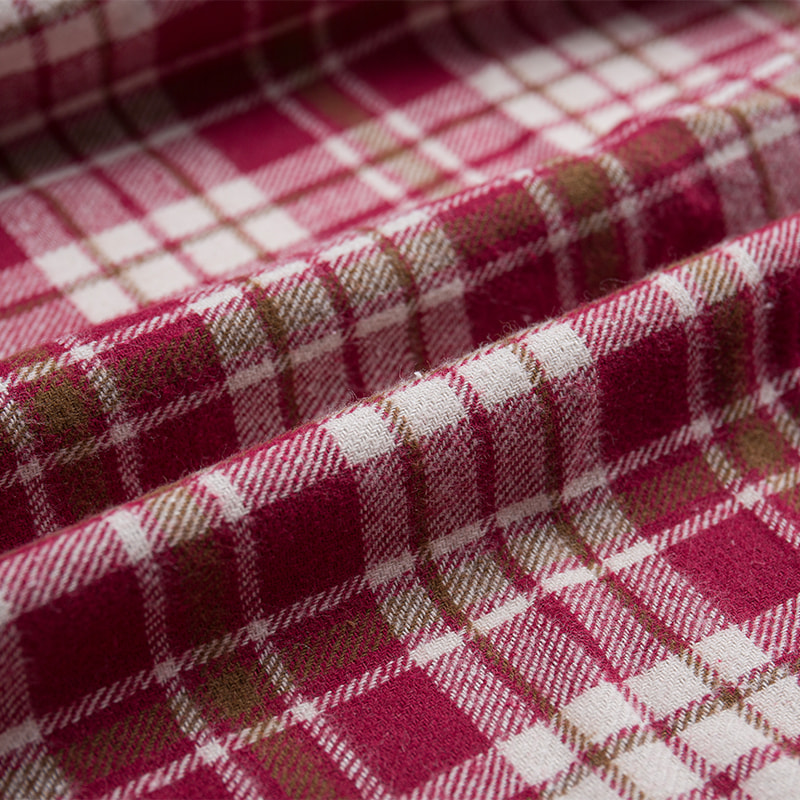 Breathable Brushed Cotton Check Fabric for Hoodie LiningsDesigned specifically as a hoodie lining, this brushed cotton check fabric combines softness, breathability, and warmth. Its moderate weight and stylish plaid pattern make it ideal for sportswear and layered cold-weather outfits.View Product →
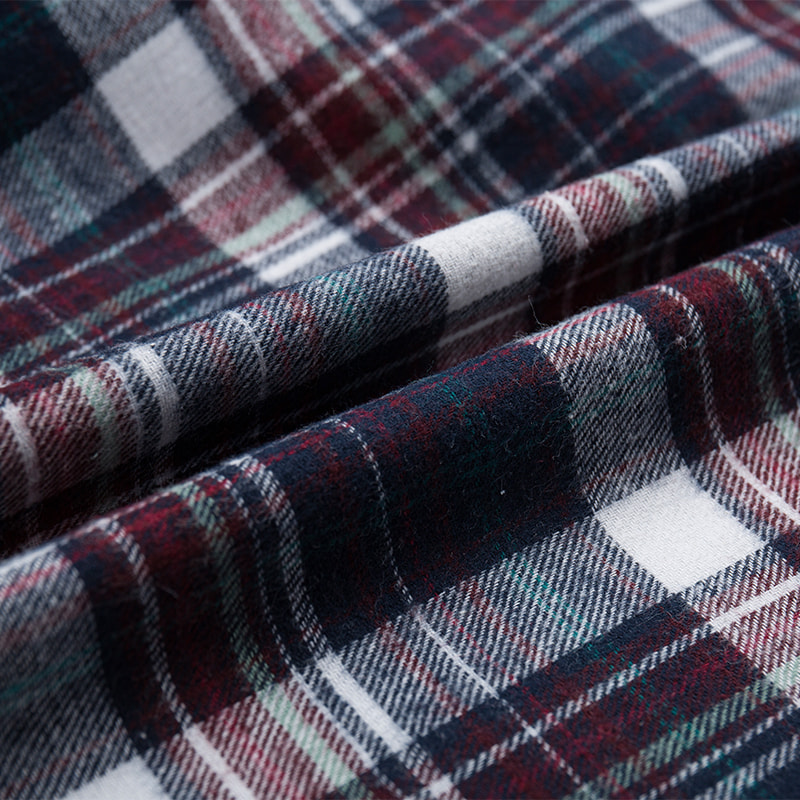 Anti-Pilling Cotton Check Fabric for Coats and OuterwearThis pure cotton check fabric features an anti-pilling treatment to keep outerwear smooth and lasting. Its structured woven base, classic pattern, and easy-care properties make it a practical choice for winter coats and casual jackets.View Product →
Each of these fabrics gives you the brushed comfort of flannel and the clean performance of a woven cloth, so your design team is not limited to the looser hand of knitted fleece. For a more detailed approach to pairing hand feel with garment types, see our guide to matching breathable soft fabric blends to the right garment.
Most modern flannel is 100% cotton, but wool flannel is still produced for tailored coats and suiting. Cotton flannel is the standard choice for shirts, pajamas, and bedding because it is breathable, washable, and soft.
Fleece is warmer for its weight. The deep, air-filled pile provides more insulation per gram than a woven fabric can. Flannel feels warm to the touch and performs well in mild conditions, but for freezing weather you would need a heavier flannel or an additional layer.
Yes. Flannel works as a base layer or shirt under a fleece jacket. The flannel adds breathable softness against the skin, while the fleece adds lofted insulation above. This combination shows up often in workwear and casual outdoor outfits.
Not always. Flannel is a specific type of brushed woven fabric, typically a plain or twill weave. Brushed cotton can also refer to knit fabrics that go through the same brushing process. When you see a brushed cotton check fabric, it is essentially flannel construction with added brushing for a softer hand.
Fleece and flannel are not alternatives fighting for the same spot; they are different tools for different jobs. Fleece is the lightweight synthetic layer for performance, warmth, and fast drying. Flannel is the natural woven fabric for comfort, breathability, and a structured silhouette. Choose based on the climate your customer lives in, the activity they plan to do, and the care routine they expect. When you need the flannel side with production-ready woven stability, a brushed cotton check fabric is the most reliable bridge between the two.
Related Products
Get in Touch
We're here for you when you need us.
Contact Information
Add:
No. 517 Huanzhu Road, High-Tech Zone, Wuxing District, Huzhou City, Zhejiang Province, China.
E-mail:
Product Category
QR Code
Join our community and stay connected
 English
 Español
 عربى