2026-05-28
Content
The distinction between brushed and smooth cotton fabrics lies not in the fiber itself, but in the mechanical treatment applied after weaving. Both begin as 100% cotton yarn, yet undergo dramatically different finishing processes that fundamentally alter their thermal properties. This distinction represents one of the most significant developments in textile engineering, offering consumers a practical solution for temperature regulation without synthetic materials.
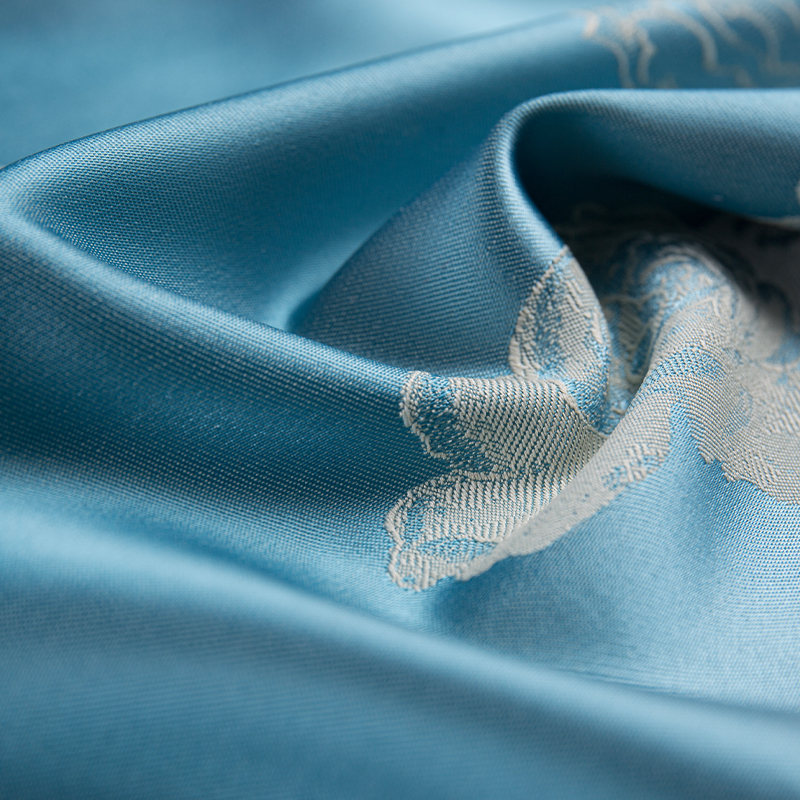
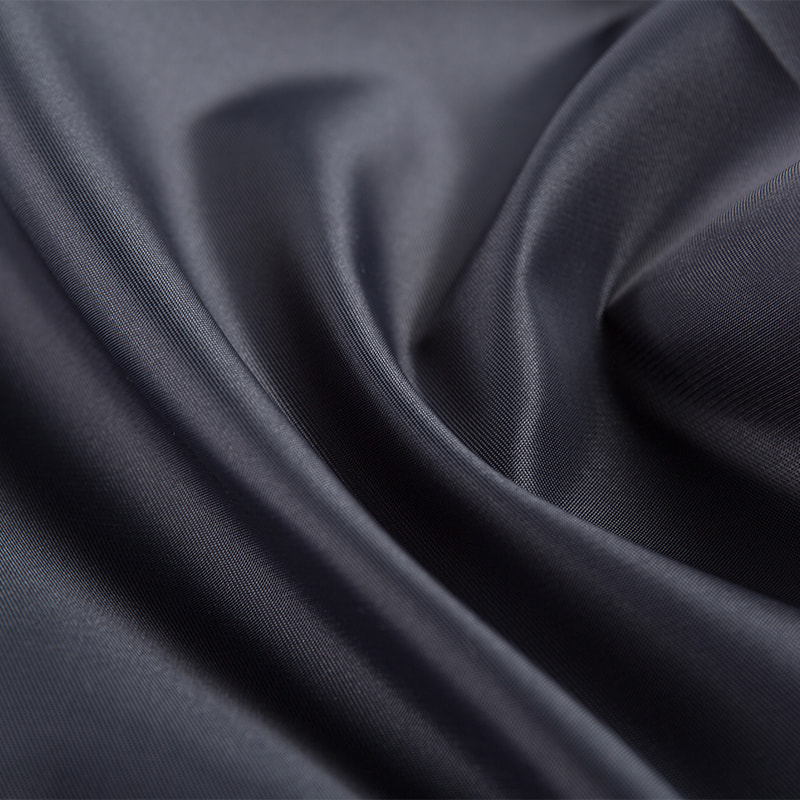
Smooth cotton fabrics maintain their flat, compact surface structure. The fibers remain tightly bound in their original woven configuration, creating a dense, uniform appearance. Brushed cotton, conversely, undergoes a specialized mechanical process where the fabric surface is intentionally abraded using fine wires or other tools. This process loosens individual fibers from the weave structure, lifting them to create a soft, napped surface. The resulting texture represents a deliberate departure from the cotton's natural state, optimized specifically for heat retention.
Understanding this mechanical difference forms the foundation for comprehending why thermal performance varies so dramatically between these two fabric types. The question is not whether cotton itself changes, but rather how surface architecture affects the fabric's interaction with heat and air circulation.
Heat retention in textiles fundamentally depends on the fabric's ability to trap air within its structure. This principle, recognized across textile science for decades, explains why layered clothing provides superior warmth compared to single, densely woven garments. Air itself possesses minimal thermal conductivity; the trapped air serves as the primary insulator, not the fiber material itself.
When cotton fibers are brushed, the mechanical action creates countless microscopic air pockets throughout the fabric's surface and internal structure. These fibers, now standing perpendicular to the original weave, create a three-dimensional matrix rather than a two-dimensional plane. The brushed surface essentially doubles the fabric's volume capacity for air entrapment compared to its smooth counterpart. This architectural transformation is measurable and reproducible across different cotton weights and weave types.
The elevation of individual fibers during the brushing process creates what textile engineers call a "nap" layer. This nap functions as an additional insulating barrier between the wearer's skin and the external environment. The loosened fibers break up direct pathways for heat transfer, forcing warm air to navigate through a more tortuous route before escaping. This increased path length directly correlates with improved thermal retention.
Research in textile physics demonstrates that a brushed fabric can retain approximately 15-25% more body heat than an identically woven but unbrusshed smooth cotton fabric. This improvement occurs without any change to the base fiber composition, demonstrating the pure architectural advantage of the brushing process. The effect is particularly pronounced in low-temperature environments where maintaining stable body heat becomes critical.
Convective heat loss occurs when moving air removes thermal energy from a surface. Smooth cotton fabrics, with their flat weave structure, present minimal resistance to air movement. The smooth surface allows air to flow easily across the fabric, creating efficient convective cooling. This property proves advantageous in warm climates but becomes disadvantageous during colder seasons when heat retention is desired.
Brushed cotton disrupts this convective flow pattern through its irregular surface topology. The raised fibers create turbulence in any air stream passing across the fabric, significantly slowing air movement and reducing convective heat transfer. The surface essentially roughens the air-fabric interface, transforming it from aerodynamically smooth to intentionally disrupted. This disruption functions as a passive barrier against thermal loss, requiring no additional materials or technological intervention.
The brushing process represents sophisticated textile engineering, requiring precise control over multiple variables. Manufacturers must calibrate brush density, rotation speed, pressure application, and multiple pass configurations to achieve optimal results without compromising fiber integrity or fabric durability. This precision distinguishes high-quality brushed cotton from poorly processed alternatives that may appear visually similar but perform inadequately.
Several characteristics distinguish superior brushed cotton from standard alternatives. The nap should feel uniformly soft across the entire fabric surface, indicating consistent brushing throughout production. The fabric should exhibit no visible bald spots or areas lacking nap coverage, as these regions represent manufacturing defects that compromise thermal performance. Additionally, the brushed fibers should remain firmly attached to the base weave structure, resisting excessive pilling or fiber loss during normal use.
Weight distribution in brushed cotton also matters significantly. Heavier brushed cottons generally provide superior warmth retention compared to lightweight alternatives, as greater fiber density accommodates more entrapped air. A quality brushed cotton check fabric typically weighs between 150-200 grams per square meter, providing optimal balance between warmth and breathability.
One common misconception suggests that brushed fabrics deteriorate rapidly or lose their thermal properties after washing. Quality brushed cotton, when manufactured to proper specifications, maintains its performance characteristics through numerous wash cycles. The brushing process strengthens the fiber-to-weave bond when executed correctly, ensuring long-term durability rather than degradation.
Proper care significantly extends brushed cotton longevity. Gentle washing temperatures, appropriate detergent selections, and careful drying procedures preserve the nap structure while preventing unwanted matting or pilling. Consumers who invest in quality brushed cotton fabrics should expect performance retention well beyond 50 wash cycles with proper maintenance protocols.
Direct comparison between brushed and smooth cotton reveals quantifiable differences in thermal performance across multiple environmental conditions. These differences become particularly pronounced in specific temperature ranges and humidity levels where fabric architecture matters most.
| Property | Brushed Cotton | Smooth Cotton |
| Thermal Insulation | High | Moderate |
| Air Entrapment Capacity | Excellent | Limited |
| Surface Texture | Raised Nap | Flat Weave |
| Convective Heat Loss Prevention | Superior | Minimal |
| Summer Comfort | Moderate | Excellent |
| Winter Warmth | Excellent | Moderate |
In temperatures above 20°C (68°F), smooth cotton typically outperforms brushed alternatives. The flat weave allows heat dissipation more efficiently, preventing overheating during warm weather. Consumers in consistently warm climates generally benefit from smooth cotton's superior breathability and faster moisture evaporation.
Below 15°C (59°F), brushed cotton demonstrates clear thermal advantages. The napped surface prevents convective heat loss while maintaining adequate breathability for temperature-responsive moisture management. This temperature range represents optimal conditions for brushed cotton utilization, where the insulation benefits substantially outweigh any minor breathability reduction.
Between 15-20°C represents a transition zone where performance characteristics become roughly equivalent, though individual preferences vary based on activity level, personal metabolism, and clothing layering strategies. Many consumers prefer brushed cotton in this range due to superior comfort and soft tactile properties, even though thermal advantages become marginal.
Understanding the thermal properties of brushed versus smooth cotton allows consumers to make informed fabric selections aligned with their specific needs and environmental conditions. This knowledge extends beyond basic comfort considerations to encompass energy efficiency, clothing durability, and long-term cost optimization.
During winter months, brushed cotton garments provide significant advantages for both indoor and outdoor wear. The superior insulation properties allow for thinner, lighter garments that still deliver adequate warmth, improving comfort while reducing bulk. This characteristic proves particularly valuable in layering strategies where garment weight accumulates across multiple layers.
For summer applications, smooth cotton maintains clear superiority. The efficient heat dissipation and rapid moisture evaporation prevent uncomfortable sweating while maintaining skin breathability. Smooth cotton naturally accommodates warm-weather activities without the thermal burden that brushed fabrics would impose.
Transitional seasons (spring and autumn) represent ideal opportunities to leverage brushed cotton's versatility. Morning and evening temperatures benefit from the thermal insulation, while daytime warmth remains manageable due to cotton's inherent moisture absorption and breathability. This flexibility makes brushed cotton particularly valuable during unpredictable seasonal weather patterns.
Proper maintenance directly impacts long-term thermal effectiveness. The following practices preserve brushed cotton fabric integrity and performance:
While quality brushed cotton typically costs slightly more than smooth cotton alternatives, the thermal performance benefits often justify the investment. A single brushed cotton garment can effectively replace layering strategies requiring multiple smooth cotton pieces, potentially reducing overall wardrobe expenses. Additionally, superior warmth retention may reduce reliance on synthetic insulation or external heating sources, creating tangible energy savings during colder months.
The durability advantage further strengthens the economic case. Quality brushed cotton maintains performance characteristics through extensive use and washing, providing reliable service across many seasons. This longevity outweighs slightly higher initial purchase costs, particularly for individuals who purchase garments expected to provide multiple years of service.
Contemporary textile engineering continues advancing brushed cotton technology through innovative approaches to fiber preparation, brushing techniques, and finishing treatments. These developments promise enhanced thermal performance while maintaining environmental sustainability and consumer accessibility.
Modern manufacturing employs sophisticated multi-stage brushing sequences rather than single-pass treatments. Initial brushing lifts surface fibers, while subsequent passes at controlled pressures optimize nap density and directional alignment. This sequential approach increases air-trapping efficiency by up to 30% compared to traditional single-stage brushing. The refined technique represents a significant advancement in thermal insulation capability without requiring new raw materials or fundamental processing changes.
Contemporary textile engineers develop weave patterns specifically engineered to maximize brushing effectiveness. Certain weave structures naturally accommodate more voluminous napping, creating superior air entrapment compared to standard weaves. These engineered patterns, combined with quality brushing processes, deliver thermal performance exceeding traditional approaches by measurable margins.
Specialized check patterns, in particular, demonstrate exceptional compatibility with advanced brushing techniques. The geometric structure of check weaves allows uniform nap development across the entire fabric surface, eliminating the inconsistencies sometimes observed in simpler weave patterns. This geometric advantage partially explains why brushed cotton check fabrics have become increasingly popular in contemporary textile applications.
Environmental consciousness increasingly influences textile development. Modern brushing processes utilize advanced mechanical techniques that minimize water usage and chemical inputs compared to older approaches. Improved brush engineering extends equipment lifespans while reducing maintenance requirements, further diminishing environmental impact. These sustainable advancements demonstrate that enhanced thermal performance and environmental responsibility are compatible objectives rather than competing priorities.
Post-brushing treatments have also evolved toward sustainability. Rather than relying on chemical finishes to enhance or stabilize nap characteristics, contemporary approaches emphasize mechanical optimization and proper fiber management. This shift toward mechanical excellence over chemical dependence reflects both environmental values and economic efficiency in modern textile manufacturing.
Quality brushed cotton maintains its thermal properties through numerous wash cycles when properly cared for. The brushing process strengthens the fiber-weave bond when executed correctly, ensuring durability. Regular maintenance using appropriate water temperatures, gentle detergents, and proper drying procedures preserves nap integrity and performance characteristics indefinitely. Degradation typically results from incorrect care rather than inherent material limitations.
While brushed cotton theoretically functions year-round due to cotton's natural breathability, smooth cotton generally provides superior comfort during warm weather. The raised nap structure of brushed cotton slightly restricts heat dissipation and creates a warmer microclimate closer to the skin. Many consumers find brushed cotton excessive for true summer conditions but appropriate for cool summer mornings and air-conditioned indoor environments.
Premium brushed cotton exhibits uniform nap coverage across the entire fabric surface, superior softness, and excellent fiber retention through extended use. The fabric should feel consistently soft without rough spots or bald areas. Higher quality products utilize heavier base weights (150-200 grams per square meter), allowing optimal air entrapment capacity. Testing the fabric's resilience by gently rubbing the surface reveals its durability—quality products resist excessive pilling or fiber loss.
Brushed cotton offers distinct advantages over synthetics for many applications. Superior breathability allows moisture vapor transmission, preventing uncomfortable perspiration accumulation. The natural fiber composition ensures exceptional comfort against skin and maintains aesthetic appeal throughout extended use. Thermal performance remains competitive with lightweight synthetic insulation while delivering superior tactile properties and environmental sustainability. However, synthetic alternatives excel in extreme cold environments and moisture-heavy conditions where brushed cotton may become inadequate.
Check patterns, herringbone weaves, and certain twill variations demonstrate exceptional compatibility with brushing processes. These patterns allow uniform nap development and superior air entrapment compared to simpler plain weaves. The geometric structure of check weaves particularly enhances brushing effectiveness by accommodating consistent fiber elevation across the entire surface. This compatibility explains the increasing prevalence of brushed cotton check fabrics in contemporary textile applications.
Quality indicators include consistent softness throughout the fabric, absence of bald spots or uneven nap development, adequate weight (typically 150-200 grams per square meter), and excellent fiber retention through gentle rubbing tests. Premium products maintain their nap characteristics through proper laundering, resisting excessive matting or pilling. Reading product specifications regarding weight, fiber composition, and manufacturing processes provides valuable guidance for consumer selection decisions.
Related Products
Get in Touch
We're here for you when you need us.
Contact Information
Add:
No. 517 Huanzhu Road, High-Tech Zone, Wuxing District, Huzhou City, Zhejiang Province, China.
E-mail:
Product Category
QR Code
Join our community and stay connected
 English
 Español
 عربى
عربى