2026-10-26
Content
When a jacket fails in the market, the lining is often the first component buyers blame. It is the layer closest to the wearer's body, and it decides whether a jacket feels sticky during a long commute, damp after a walk in the rain, or cold on a windy morning. For apparel teams and clothing factories, selecting a jacket lining fabric is a technical procurement decision rather than a styling afterthought.
The practical conclusion from years of woven fabric supply is this: the ideal jacket lining fabric is chosen by balancing four variables—moisture management, slip, thermal insulation, and structural weight—against the jacket's end use. A work jacket and a blazer rarely need the same lining, and the wrong pairing creates quality problems that surface only after production.
A lining fabric performs more than one job. It covers the internal construction of the jacket, helps the garment slide on and off, collects body moisture, adds insulation, and protects the wearer from rough seams. When suppliers evaluate lining candidates, they usually look for:
In many jacket programs, the lining is packed with a low-cost synthetic or a loosely woven cotton that looks acceptable on a swatch but fails after repeated wear. That creates returns, chargebacks, and long-term damage to a brand's reputation.
Each fabric family brings a distinct set of properties. Here is a shortlist to compare when starting a jacket lining project.
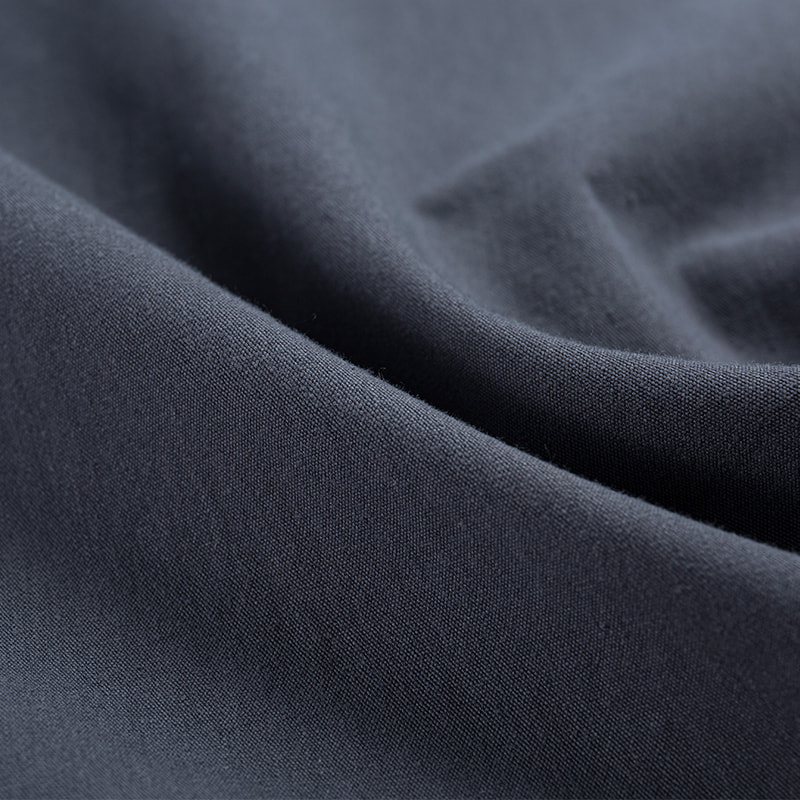
Poplin is a plain weave structure with a smooth, crisp surface and low weight. It is one of the most common linings for casual jackets, rain shells, and lightweight spring coats. It typically offers good wrinkle resistance, easy care, and a comfortable hand. Because it is tightly woven, a stretch poplin version can also support motion in structured jackets.
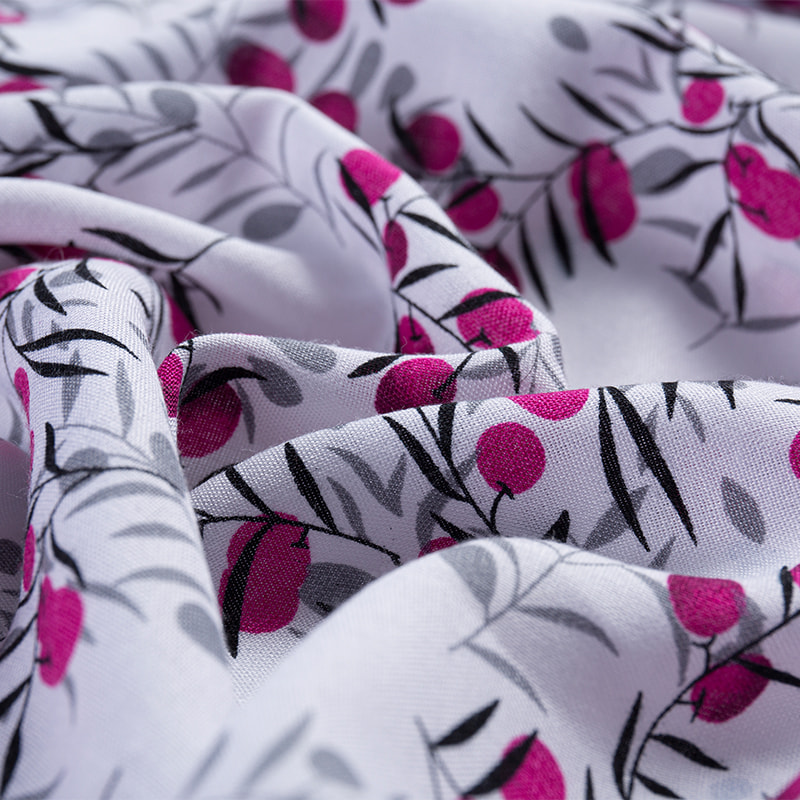
 Stretch Poplin fabric for Clothing liningStretch poplin fabric is a high-quality, durable, comfortable, and elastic fabric, particularly suitable for the production of garment linings. Utilizing a fine weavin...View Product →
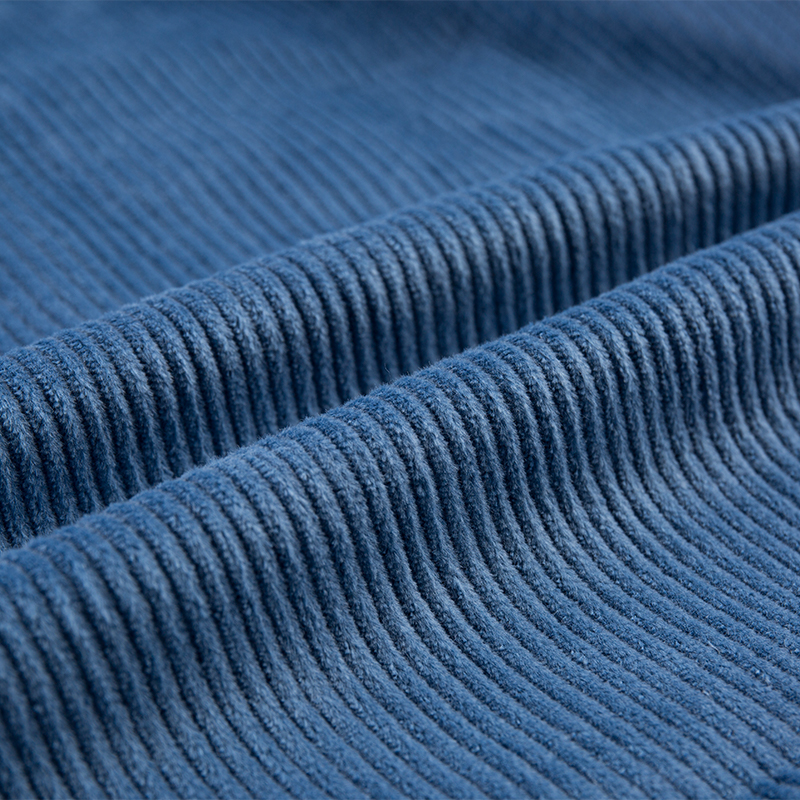
Brushed cotton is a cotton fabric that has been mechanically brushed on one side to raise fine fibers from the yarn. That raised surface creates an air layer that traps heat, making brushed cotton a reliable lining choice for hooded jackets, casual coats, and transitional outerwear. The soft texture also improves the perceived value of the garment.
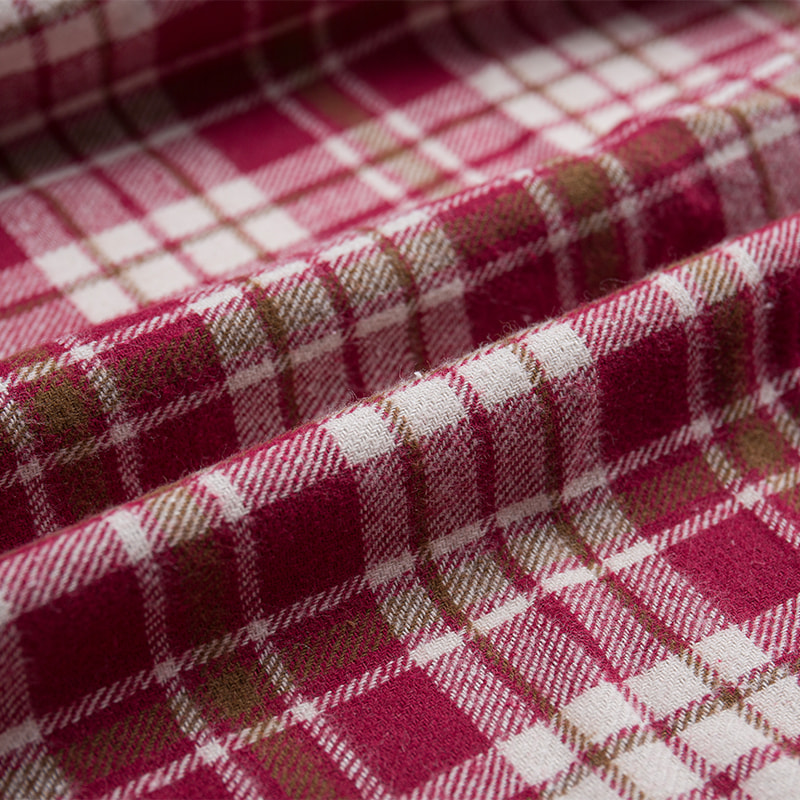 Breathable Brushed Cotton Check Fabric for Hoodie LiningBreathable brushed cotton check fabric is specifically designed for hoodie linings. Made from high-quality cotton fibers and treated with a special brushing process, i...View Product →
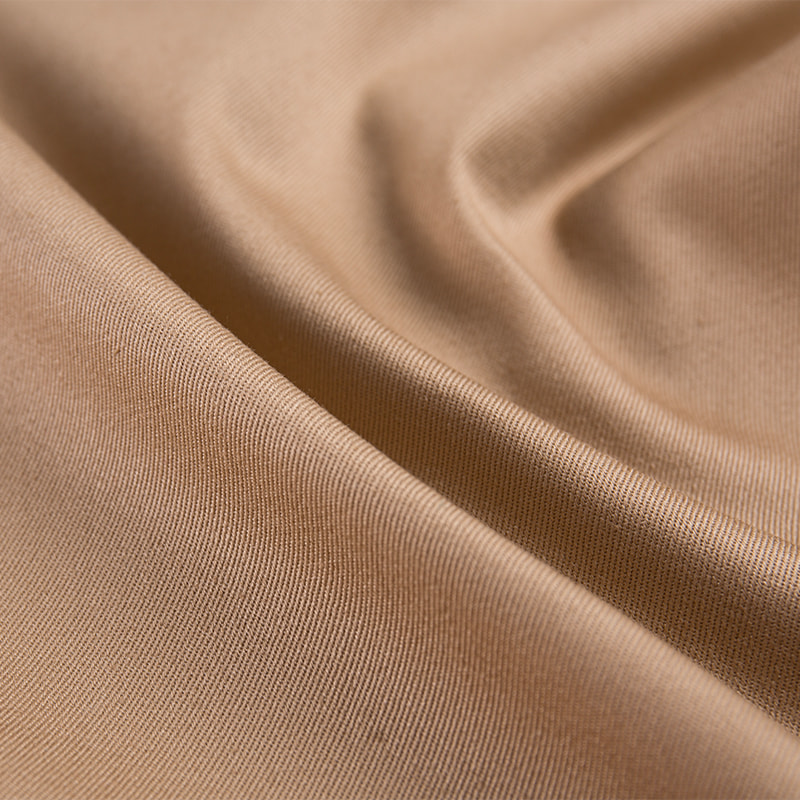
Twill drill has a diagonal weave pattern that gives the fabric additional strength and abrasion resistance. For heavy-duty work jackets, a wind-resistant polyester-cotton twill drill lining can withstand repeated friction and keep wind from passing through the garment. It is a practical option for uniforms, protective clothing, and technical outerwear.
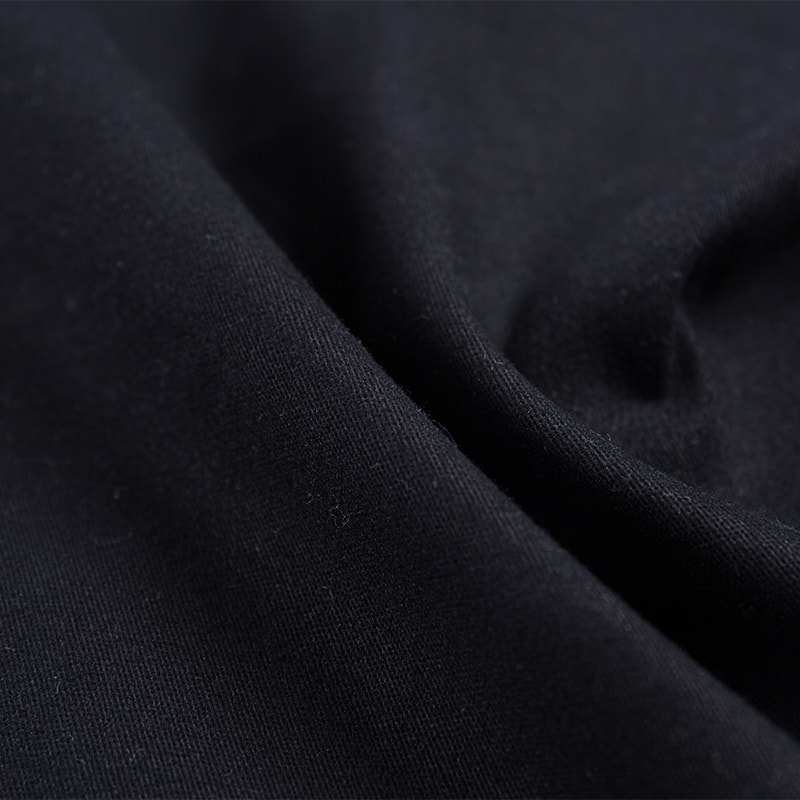 Wind Resistant Polyester Cotton Twill Drill Fabric for Work JacketsWind resistant polyester cotton twill drill fabric is made from a high-quality blend of polyester and cotton, offering excellent durability and comfort. Its unique twi...View Product →
Satin weave creates a smooth, glossy surface with excellent slip. It is ideal for blazers and dressier jackets because it does not grip the shirt underneath. Viscose satin adds an elegant drape, but it can shrink if not properly pre-treated.
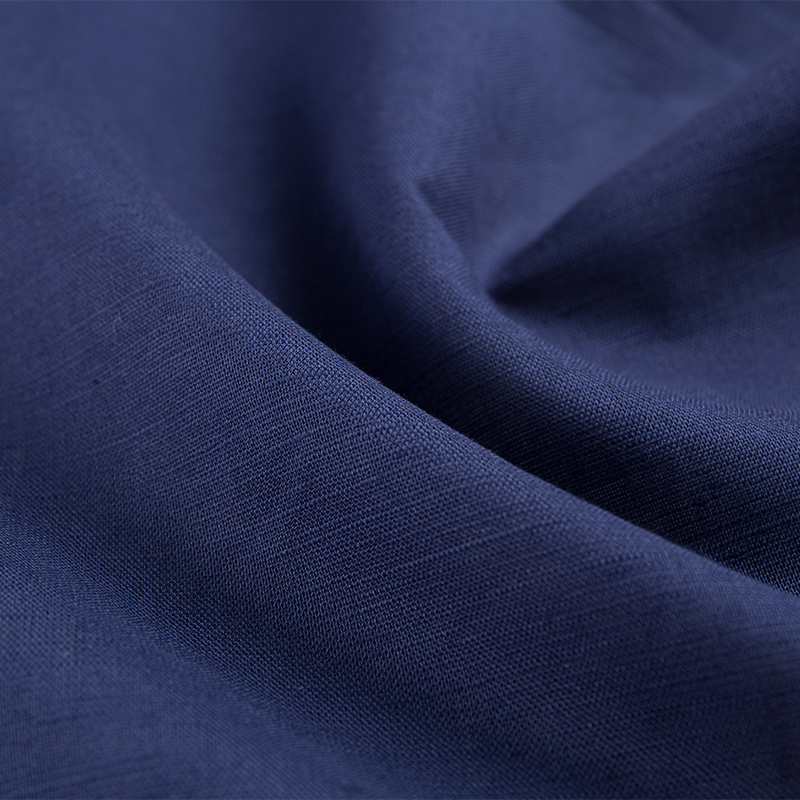
Tencel and linen blends offer a natural, breathable alternative for jackets used in warmer seasons. They absorb moisture well and release it quickly, which is useful in spring jackets that are worn directly against a thin shirt.
Synthetic linings are lightweight, fast-drying, and often durable. They are common in sportswear and weatherproof jackets, especially when an anti-static finish is added.
The most useful starting point in a lining project is not the fabric aesthetic but the jacket's intended function.
When a sample is received, commercial teams often review the same data points. These are the numbers that reveal whether a lining fabric will behave in production.
Measured in GSM, fabric weight influences warmth, stiffness, and cost. A lightweight jacket lining often falls between 60 and 120 GSM, but brushed cotton or twill variants can go higher.
The amount of air passing through the fabric affects breathability. A lining that traps too much heat with no airflow can feel clammy.
In active outerwear, the lining should move moisture away from the skin so it can evaporate. Wicking performance is usually rated by test laboratories.
Lining fabrics that face repeated rubbing against body movement or bag straps need sufficient abrasion resistance. The Martindale test gives a measurable number of cycles before breakdown.
Lining color can attract sweat and environmental exposure. Test both the degree of color change and staining against dry and wet conditions.
A lining that shrinks after washing or dry cleaning distorts the jacket shell and shortens the life of the garment.
Cold-season jackets depend on the lining to trap warm air and manage the moisture produced by the wearer. A smooth, dense lining may feel sleek but can also fail at retaining heat. A brushed surface, on the other hand, creates a layer of still air that significantly improves warmth. Fabric engineers explain why brushed cotton is more effective at trapping heat than tightly woven plain weaves without the additional weight of a second lining layer.
For jackets worn by commuters or outdoor workers, moisture is sometimes more critical than insulation. A lining that becomes soaked with sweat can make the wearer feel colder once activity stops. In these cases, a moisture-wicking synthetic or a Tencel blend that absorbs and releases water quickly is preferable to a surface that simply resists water.
A reliable jacket lining fabric must survive the entire production chain: dyeing, printing, finishing, and cutting. Experienced suppliers build quality control into the process rather than patching defects after weaving.
When sourcing jacket lining fabric from China, the practical approach is to request a full specification sheet with each sample, including composition, fabric weight, weave, finishing method, and washing instructions. This allows the brand or clothing factory to evaluate the material before investing in a large order.
Procurement terms are part of the specification. When introducing a new lining fabric to a jacket program, consider the following:
A practical way to explore a supplier's full woven fabric range is to start with its product portfolio and then narrow the search based on the jacket style and function.
Polyester and nylon are widely used in functional outerwear, while poplin, satin, and brushed cotton are common in casual and dress jackets.
The shell fabric faces outward and protects against wind, rain, and abrasion. The lining sits against the body, managing moisture, slip, and comfort.
Not necessarily. A waterproof lining traps body moisture. In rain jackets, a waterproof shell combined with a breathable lining that has wicking properties is a better combination.
Choose brushed cotton when warmth is the priority; choose satin or smooth poplin when slip and drape matter more.
The jacket lining is a quiet component with a loud impact on comfort and durability. By matching the lining's moisture, slip, and insulation properties to the actual use of the jacket, apparel teams can avoid the most common quality complaints and build a product that stands out when consumers try it on. For technical sourcing questions or sample requests, a woven fabric supplier with lab testing, dyeing, and finishing capabilities can guide you through the selection process.
Related Products
Get in Touch
We're here for you when you need us.
Contact Information
Add:
No. 517 Huanzhu Road, High-Tech Zone, Wuxing District, Huzhou City, Zhejiang Province, China.
E-mail:
Product Category
QR Code
Join our community and stay connected
 English
 Español
 عربى