2026-10-15
Content
You are sourcing a polyester shell for a new backpack line, a uniform fabric, or a lightweight outdoor jacket. The brief lists two candidates: oxford polyester and canvas polyester. At first glance they share the same fiber family, similar color cards, and overlapping price points. The real difference is the weave geometry — and that difference changes how the fabric feels, how it wears, and where it makes sense in production.
The short answer: choose oxford polyester when you need a lighter, smoother, more flexible fabric that takes coatings well; choose canvas polyester when you need a firmer, denser, harder-wearing surface that can hold its shape under repeated stress. The rest of this guide explains the weave structure, weight, hand feel, durability, and purchasing considerations behind that conclusion.
Oxford polyester is a plain-weave fabric built from polyester filament yarns, but it is not a simple one-up-one-down weave. The yarns are woven in pairs, which creates the characteristic basket-like or small-grid effect you can see when you tilt the fabric toward the light. That repeating square pattern is the quickest way to identify oxford cloth from a short sample.
Most oxford polyester is described by denier — 300D, 600D, 1200D, and similar numbers. The denier defines the linear density of the filament yarn, so it gives you an honest read on weight and surface texture. Typical characteristics include:
This combination makes oxford polyester the default shell for backpacks, trolley cases, tote bags, camping tents, rainwear, and light protective outerwear. If your product needs a clean, sporty appearance with moderate stiffness and easy sewing, oxford is usually the lower-risk choice.
Polyester canvas uses the same filament or spun polyester, but the construction is denser and heavier. A conventional canvas weave is a firm plain weave, sometimes a twill for extra flexibility, with heavier yarns spaced closely together. The result is a boardy, compact, abrasion-resistant fabric that holds its cut lines and keeps its silhouette in shaped garments. Polyester canvas is often specified by weight per square meter or per yard — typically from 200 gsm up to 500 gsm — rather than by denier.
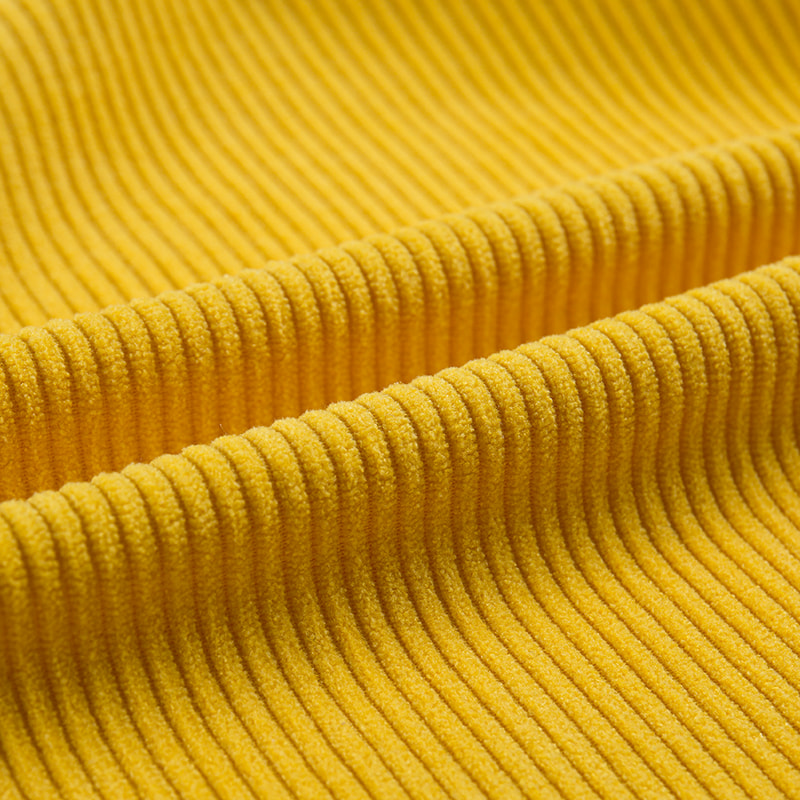
For textile buyers, the practical benefits of canvas over oxford show up during wear. It resists scuffing, stands upright in collars and pockets, provides a stable base for printing and embroidery, and tends to outperform oxford in heavy-use areas such as elbows, knees, and bag corners. For garment factories sourcing uniforms, a 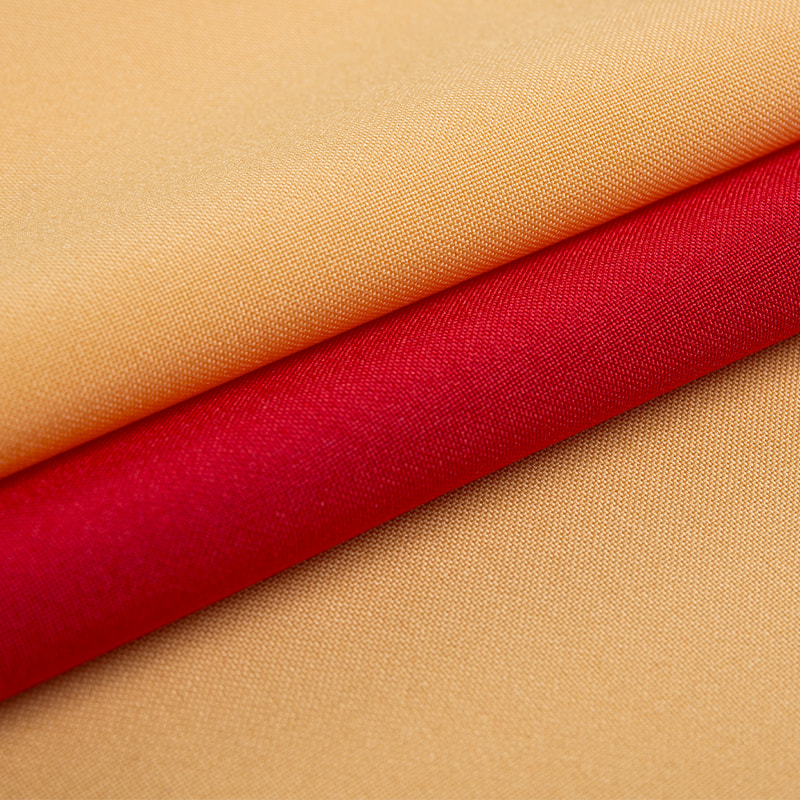 Heavy-Duty Polyester Canvas Fabric for Workwear and Outdoor GearThis dense polyester canvas is built for heavy-use applications like uniforms, backpacks, and tool bags, offering tear resistance, water repellency, and UV protection at a practical price point.View Product → is a practical starting point because the dense weave can be engineered for dust resistance, water repellency, and tear strength while still meeting a workwear price point.
In short, canvas polyester answers a different question. Oxford solves the problem of adding strength without bulk; canvas solves the problem of handling more abuse without distortion.
Before choosing, it helps to place the two fabrics side by side. The table below summarizes the observable differences during fabric inspection and garment production.
| Property | Oxford Polyester | Canvas Polyester |
|---|---|---|
| Weave style | Plain weave with basket or grid effect | Denser plain weave, or twill for flexibility |
| Weight range | About 120 to 450 gsm | About 200 to 500+ gsm |
| Hand feel | Smooth, flexible, slight grain | Firm, crisp, more mechanical grip |
| Abrasion resistance | Good, with coated protection common | Excellent, especially in heavier weights |
| Drapery / shaping | Drapes well, soft folds | Stiffer folds, holds structure |
| Typical end uses | Bags, tents, rain jackets, sports packs | Workwear, aprons, covers, outdoor shades |
Notice that the comparison is not simply a battle of fiber quality. Both fabrics use polyester, so color fastness, UV resistance, and easy-care behavior are largely shared. The separation comes from construction weight, yarn spacing, and hand feel. If you go one step further, you can quickly see how denier, weave, and coating together determine fabric durability in the final product.
For buyers, the most common pitfall is to compare 300D oxford with 7 oz canvas polyester and conclude that canvas is obviously better. That comparison is unfair. Instead, weight should be aligned with the level of protection the product needs. A few benchmark examples help in practice:
Weight directly affects sewing behavior, seam pucker, and cutting yield. A lightweight oxford is easy to cut and sew with standard needles; a heavy canvas may require stronger needles, reinforced seams, and careful handling at the folding station. Knowing the target fabric weight before development saves time in sampling.
Once you separate the weave from the fiber, the selection becomes a short checklist of end-use requirements:
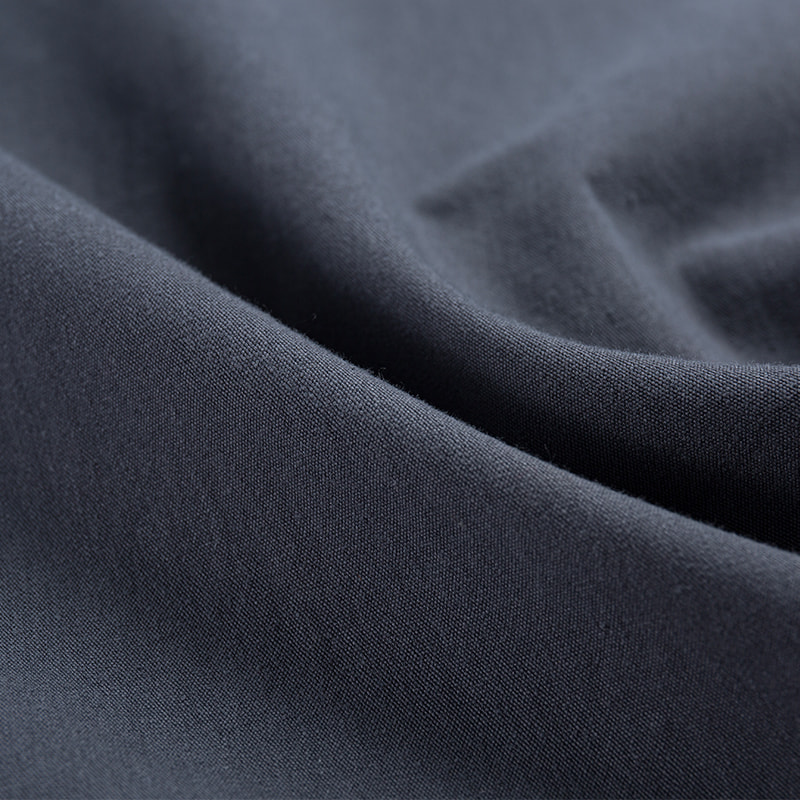
For work jacket shells, a 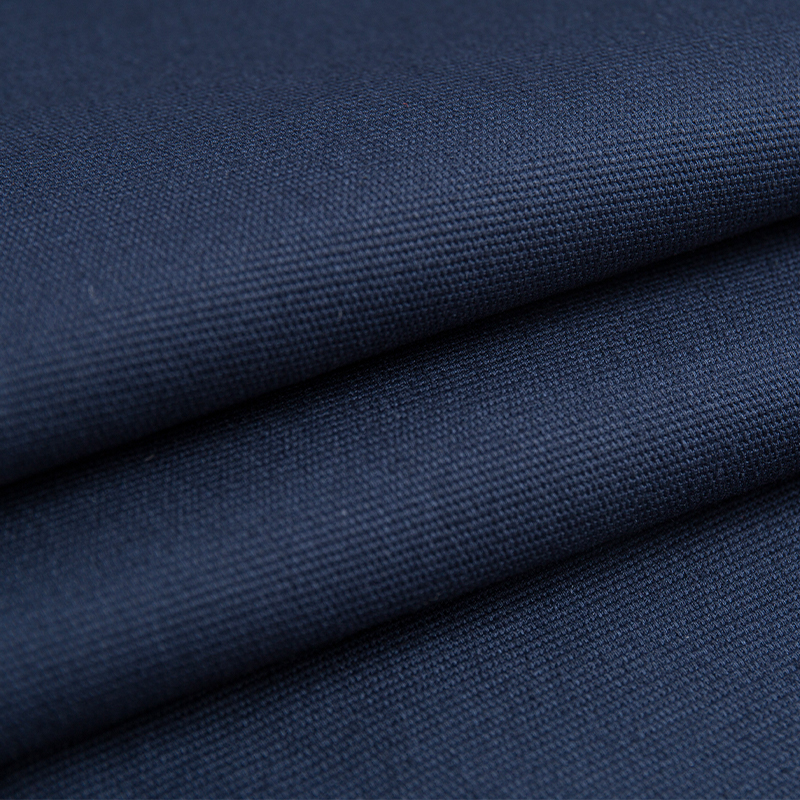 Plain Weave Waterproof Canvas for Jackets and Outdoor EquipmentWith a tight plain weave and waterproof finish, this fabric suits work jackets, windbreakers, and backpacks, balancing durability, comfort, and breathability for reliable outdoor protection.View Product → is worth sample testing against your coating specifications. For products exposed to sun, wind, and mechanical tension, the density of canvas is hard to replace; a
 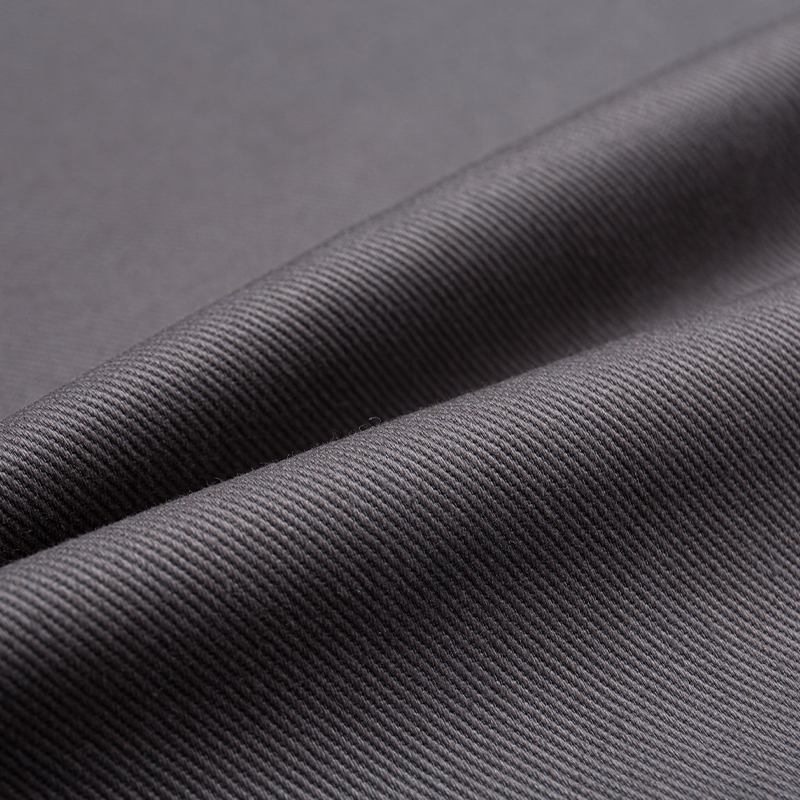 Twill Weave UV-Protective Canvas for Outdoor Sunscreens and AwningsThis twill canvas blocks UV rays and resists wind and abrasion, making it a strong choice for awnings, tents, and outdoor covers where sun exposure and harsh weather are concerns.View Product → often performs better than a standard oxford of the same nominal weight.
If the product profile still feels ambiguous, compare other structural fabrics before locking the specification. The same decision logic applies when you review the supplier's canvas fabric range and see how construction variants are positioned around well-defined weights, finishes, and target uses. With clear weight targets and finish requirements, oxford and canvas polyester each become a reproducible, stable basis for a production order.
Durability follows weight and weave density first. At a similar gsm, canvas polyester usually wears longer because the yarns are packed more tightly. However, a high-denier oxford with a protective coating can match canvas in many non-industrial uses. Compare the exact gsm, yarn type, and finish rather than relying on the fabric name alone.
Yes, for lighter duties such as aprons, short-sleeved work jackets, and warehouse vests. If the workwear involves rough surfaces, sharp contacts, or outdoor exposure, polyester canvas is the safer choice because of its compact surface and better hole resistance. Always evaluate abrasion, tear strength, and functional requirements in the lab.
Plain uncoated oxford is water-resistant but not waterproof. Once the fabric receives a PU, PVC, or TPU membrane, it becomes a proper waterproof shell. Canvas polyester behaves similarly, so the coating is what determines the waterproof rating. Ask the mill for hydrostatic head test data before approving the bulk order.
Look at the surface under direct light. Oxford polyester shows a small basket or grid texture, while canvas polyester has a dense, even grain. Touch the fabric: oxford feels smoother and more flexible; canvas feels firmer and slightly rougher in the hand. Weight is the final clue — a square meter of canvas normally weighs noticeably more.
Related Products
Get in Touch
We're here for you when you need us.
Contact Information
Add:
No. 517 Huanzhu Road, High-Tech Zone, Wuxing District, Huzhou City, Zhejiang Province, China.
E-mail:
Product Category
QR Code
Join our community and stay connected
 English
 Español
 عربى
عربى