2026-07-30
Content
Garment buyers no longer judge apparel quality by weight or price alone. Air permeability, moisture transport, and hand feel now sit at the center of sourcing decisions, because these three factors determine whether a finished garment performs through a full day of wear. A shirt that traps heat, or a legging that clings uncomfortably after light activity, will generate returns and negative reviews regardless of how attractive the fabric looks on a swatch card.
Three mechanisms drive comfort perception in woven and knit textiles: fiber composition, yarn structure, and finishing treatment. Fiber composition sets the baseline for moisture absorption and thermal regulation. Yarn structure, including twist level and yarn count, governs how much air can move through the fabric plane. Finishing treatment, such as calendaring or softening washes, adjusts surface friction and drape without changing the underlying fiber content.
The sections below examine five fabric categories that repeatedly appear in apparel sourcing briefs: poplin fabric, tencel fabric, satin fabric, polyester viscose blend, and cotton spandex blend. Each has a distinct comfort profile suited to different garment categories, and understanding those differences up front prevents costly resampling later in a development cycle.
Beyond the fiber and weave itself, garment weight also shapes how a fabric performs in the field. A heavier construction of any fiber traps more air near the skin, which can be desirable in cooler-season garments but counterproductive in warm-weather apparel. Buyers evaluating a new supplier should always request the fabric weight alongside fiber content, since two suppliers quoting the same fiber ratio can still deliver noticeably different comfort outcomes if their gram weight per square meter differs.
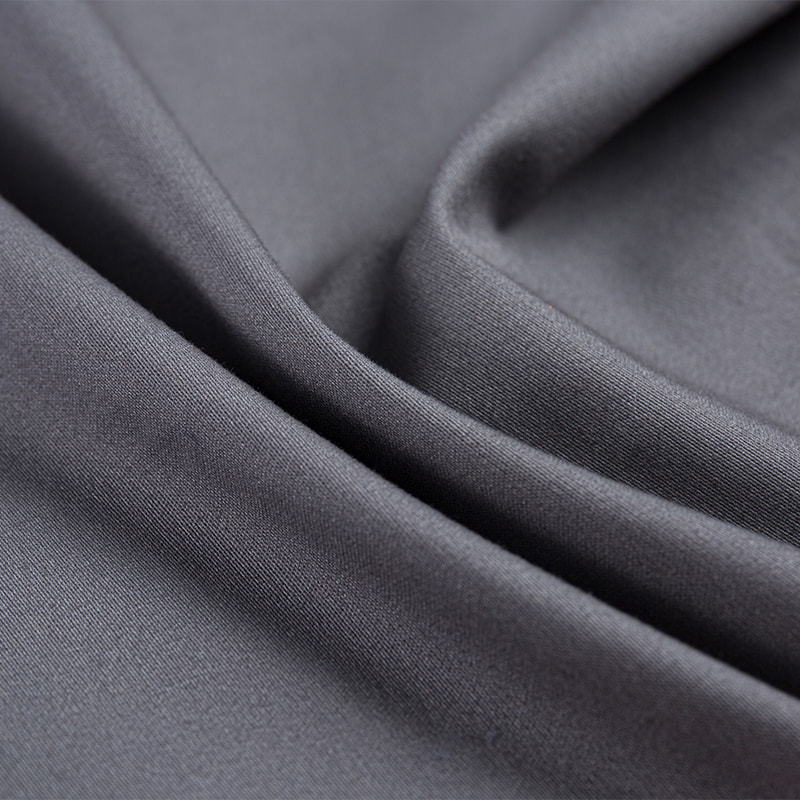
A polyester viscose blend typically combines a polyester fiber ratio of roughly 60 to 65 percent with viscose making up the remaining share. This ratio balances two fibers with opposing strengths. Polyester contributes dimensional stability, wrinkle resistance, and quick drying behavior, while viscose contributes a softer hand and a fluid drape that pure polyester cannot replicate on its own.
Manufacturers commonly select a polyester viscose blend for tailored trousers, workwear uniforms, and structured blazers, where the garment must hold a crease through a working day yet still move naturally at the knee and hip. The viscose component also improves dye uptake compared with 100 percent polyester, producing deeper, more saturated color results without additional dye cycles.
| Attribute | Typical Result |
|---|---|
| Wrinkle recovery | High |
| Drape | Moderate to fluid |
| Moisture regain | Moderate |
| Pilling resistance | Moderate, dependent on yarn twist |
One tradeoff worth noting: viscose fibers lose a portion of their tensile strength when wet, so garments made from this blend generally call for gentle wash cycles and lower spin speeds to preserve seam integrity over the garment lifecycle.
Yarn twist level also plays a meaningful role in how a polyester viscose blend behaves once it leaves the loom. A higher twist yarn produces a firmer, more wrinkle-resistant fabric surface, while a lower twist yarn softens the hand feel at the cost of some crease recovery. Buyers targeting corporate uniform programs, where garments face repeated wear and machine washing over months of service, generally favor the higher twist construction because it holds a professional appearance through more laundering cycles. Buyers targeting fashion-forward blazers or occasion-wear separates may instead prioritize the softer, lower twist version, accepting a slightly higher ironing frequency in exchange for a more fluid silhouette.
Dye behavior is another practical consideration. Because polyester and viscose absorb dye through different chemical mechanisms, a poorly balanced dye recipe can create a subtle two-tone or heathered effect across a finished polyester viscose blend, which some buyers want intentionally for a textured look and others consider a defect. Requesting a dye lot consistency report across the full production run helps confirm the finished color matches the approved lab dip before bulk cutting begins.
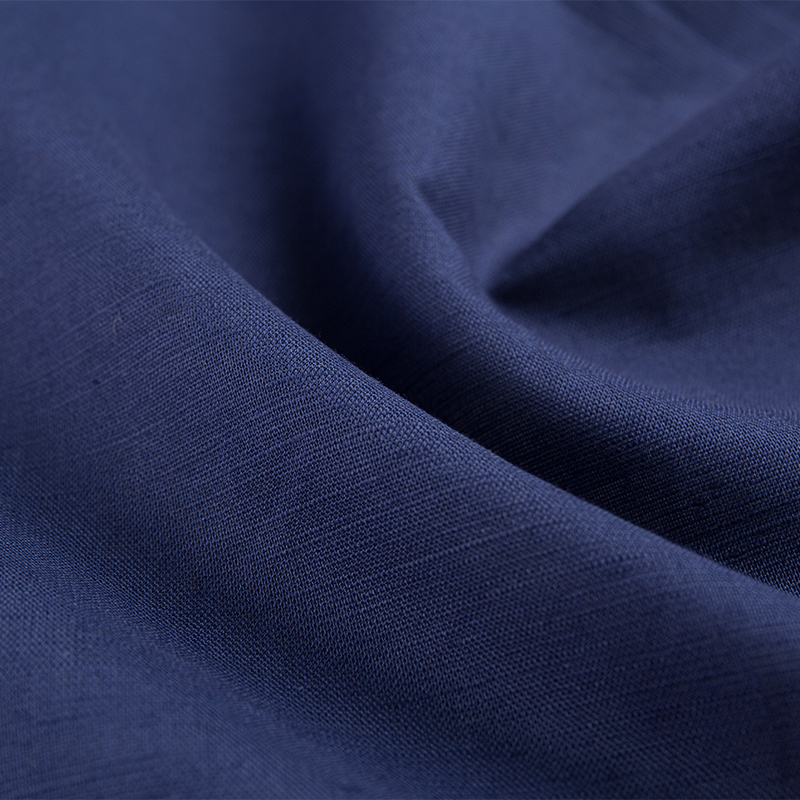
A cotton spandex blend usually contains between 2 and 5 percent spandex by weight, with cotton making up the balance. Even this small spandex share meaningfully changes how a garment behaves, adding stretch recovery that allows woven cotton to move with the body instead of resisting it.
Because cotton remains the dominant fiber by weight, the blend retains cotton's natural moisture absorption, which keeps skin-contact garments feeling dry longer during light activity compared with fully synthetic alternatives. Buyers sourcing this blend should request shrinkage data after three home-launder cycles, since spandex recovery and cotton shrinkage interact differently across knit and woven constructions.
Construction method matters as much as fiber ratio when evaluating a cotton spandex blend. A woven cotton spandex blend, where spandex core-spun yarn runs through either the warp or the weft, produces controlled two-way stretch that suits tailored garments needing a small comfort allowance rather than aggressive movement range. A knit cotton spandex blend, by contrast, delivers four-way stretch and generally suits activewear, loungewear, and fitted casual tops where a wider range of body movement is expected. Confusing these two construction types during sampling is a common source of fit complaints, since a woven-based garment specified with knit-level stretch expectations will consistently underperform against buyer assumptions.
Recovery percentage, meaning how completely the fabric returns to its original dimension after stretching, should also be tracked over the garment's expected service life. Spandex recovery gradually declines with repeated wash and wear cycles, and a fabric that tests well at zero washes can still show noticeably reduced recovery by wash twenty or thirty. Requesting an accelerated wash-cycle recovery test, rather than relying solely on an as-received sample, gives a more realistic picture of how a cotton spandex blend garment will perform for the end consumer over a full season of use.
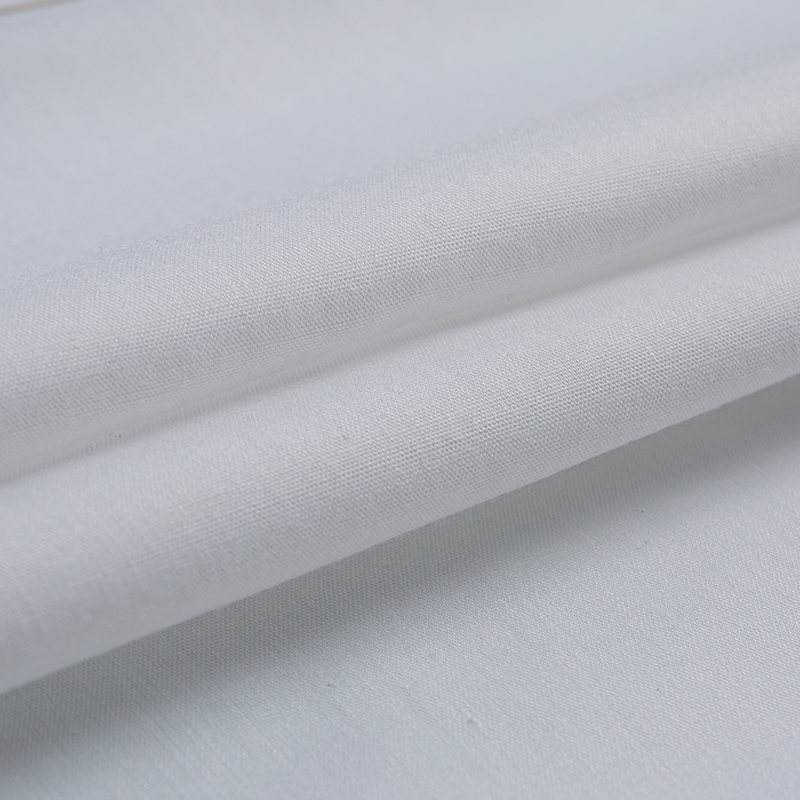
Poplin fabric is a plain-weave textile built from fine, tightly packed yarns, producing a smooth, slightly ribbed surface that holds a crisp silhouette. The tight weave construction gives poplin fabric a higher yarn count per inch than many general shirting fabrics, which improves both durability and a clean visual finish after pressing.
Despite its dense construction, poplin fabric maintains reasonable air permeability because the fine yarns used in a quality poplin construction create numerous small, evenly spaced openings across the weave rather than one dense mass of fiber. This produces a fabric that reads as structured and formal while still allowing airflow across the torso, which is why poplin fabric remains a standard choice for dress shirts, blouses, and lightweight uniforms.
Finishing plays a large role in comfort outcomes for poplin fabric. A mercerized finish increases luster and dye uptake, while a softened finish reduces surface stiffness for casual-wear applications. Buyers should specify finishing intent clearly in technical packs, since an unfinished poplin fabric greige good can feel noticeably stiffer than the finished sample used for approval.
Poplin fabric quality is frequently discussed in terms of thread count, but yarn fineness matters just as much for comfort outcomes. A poplin fabric woven from finer yarn at a moderate thread count can feel softer and drape better than a coarser yarn pushed to a very high thread count, even though the higher number appears more impressive on a specification sheet. Buyers comparing supplier quotations should ask for yarn count figures alongside thread count, since thread count alone does not fully describe the fabric's likely hand feel or breathability.
Poplin fabric also takes well to blending with a small percentage of stretch fiber for casual shirting lines, producing a construction that retains the characteristic crisp poplin fabric surface while adding a modest comfort stretch across the chest and shoulder. This hybrid approach has become common in workwear programs where employees move throughout a shift and need slightly more range of motion than a rigid all-cotton poplin fabric can provide.
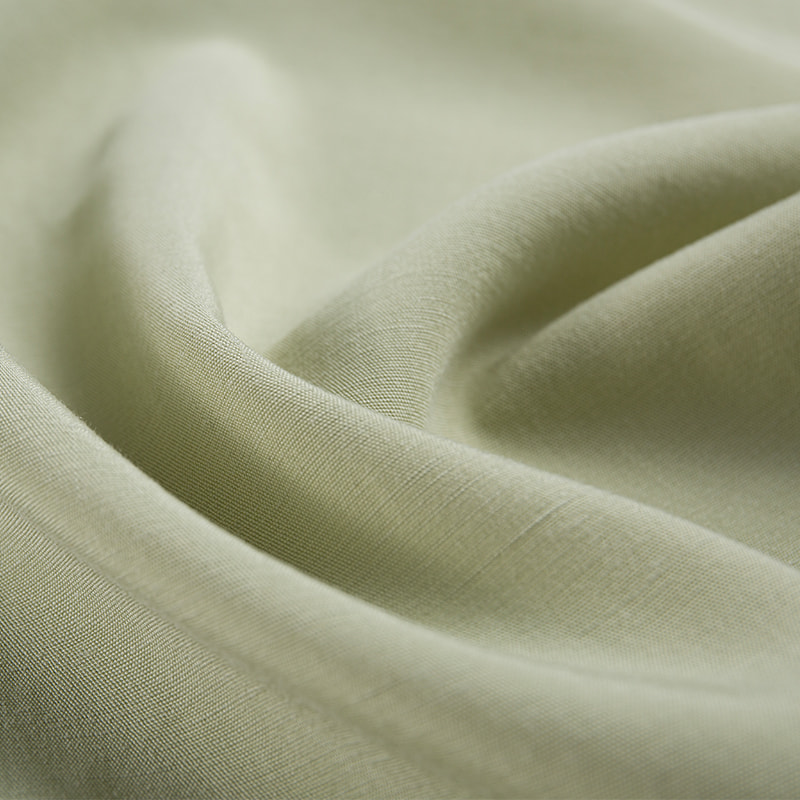
Tencel fabric is produced from wood pulp cellulose through a closed-loop solvent spinning process, which recovers and reuses the majority of the solvent involved in fiber formation. This process gives tencel fabric a lower environmental footprint per unit of fiber compared with conventional viscose production, a point increasingly relevant to sourcing teams responding to sustainability audits.
Tencel fabric fibers have a smooth, uniform surface at the microscopic level, which reduces friction against skin and explains why tencel fabric consistently scores well in hand-feel evaluations. The fiber also absorbs moisture efficiently and releases it through evaporation, helping regulate microclimate temperature against the skin during moderate activity.
Tencel fabric blends well with cotton, linen, and modal, allowing manufacturers to tune cost and hand feel while retaining much of tencel's moisture management performance. Garments such as loungewear, bedding, and lightweight knitwear are common end uses for tencel fabric today.
A frequent misconception is that a soft, smooth fiber like tencel fabric must be fragile. In practice, tencel fabric fibers show respectable dry tensile strength, and their strength profile changes relatively little when wet compared with standard viscose, which historically loses significant strength in a wet state. This makes tencel fabric a more forgiving choice than conventional viscose for garments that see frequent washing, since the fiber holds up better through repeated wet-dry cycles over the life of the garment.
Buyers should still confirm pilling performance separately, since pilling is driven more by yarn structure and finishing than by the base fiber's tensile strength. A tightly spun, well-finished tencel fabric yarn resists pilling reasonably well, while a loosely spun version can pill sooner under abrasion, particularly at friction points such as underarms and inner thighs.
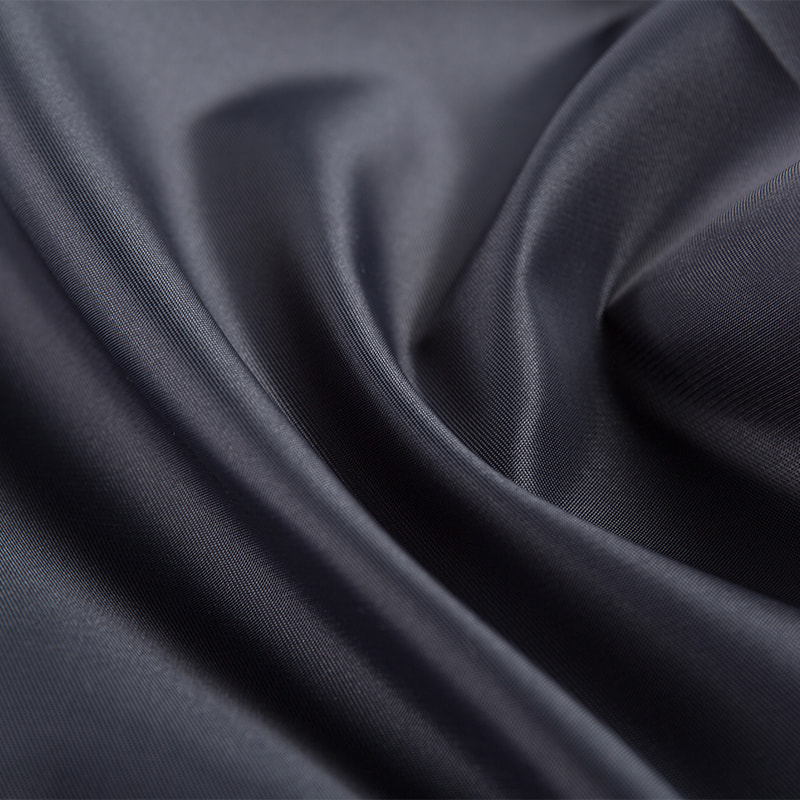
Satin fabric is defined by its weave structure rather than a single fiber type. Long floats of yarn pass over multiple threads before interlacing, producing the smooth, reflective surface associated with satin fabric. This weave can be constructed from polyester, silk, viscose, or blended yarns, each producing a different balance of sheen, drape, and durability.
| Fiber Base | Typical Characteristic |
|---|---|
| Polyester satin | High durability, lower cost, moderate breathability |
| Viscose satin | Fluid drape, improved breathability, lower abrasion resistance |
| Silk satin | Premium hand feel, high breathability, higher cost and care needs |
Because the long floats in satin fabric expose more fiber surface, the fabric can feel cooler against skin than a plain weave of the same fiber, making satin fabric a frequent choice for linings, evening wear, and sleepwear where a smooth, cool touch improves perceived comfort. The tradeoff is a lower resistance to snagging, since the extended floats catch more easily on rough surfaces than a tighter weave.
Satin fabric weight has an outsized effect on how the fabric drapes compared with many other weave types. A lightweight satin fabric will pool and cling close to the body, which suits fitted eveningwear silhouettes, while a heavier satin fabric holds more structure and works better for garments that need visible fold and movement without collapsing entirely, such as wide-leg trousers or flowing skirts. Buyers should always request a physical hanging sample rather than judging drape from a flat swatch, since drape behavior is difficult to predict from a small, unstretched piece of fabric.
Surface sheen level is also adjustable during finishing. A high-sheen satin fabric reads as more formal and reflective under light, while a matte or semi-dull finish softens the shine for daywear applications where a subtler surface is preferred. Clarifying the intended sheen level in the technical package avoids a common approval delay where a supplier submits a shinier or duller lab dip than the buyer originally pictured.
The table below summarizes relative performance across the comfort factors most frequently requested in technical sourcing documents. Ratings reflect typical mid-market constructions rather than premium or budget outliers.
| Fabric | Breathability | Softness | Drape | Moisture Wicking |
|---|---|---|---|---|
| Polyester viscose blend | Moderate | Moderate | Fluid | Moderate |
| Cotton spandex blend | High | High | Structured with stretch | High |
| Poplin fabric | Moderate to high | Moderate | Crisp | Moderate |
| Tencel fabric | High | Very high | Soft, fluid | High |
| Satin fabric | Variable by fiber base | High | Very fluid | Low to moderate |
No single fabric wins across every category. Buyers should weight each factor according to the garment's primary use case rather than searching for one fabric that scores highest everywhere.
A simple decision path helps narrow fabric options before samples are requested. The flow below groups garments into three broad categories and points toward fabrics that typically satisfy each category's comfort priorities.
This framework works as a starting filter rather than a final specification. Climate, wash care requirements, and price target should all still be layered onto whichever fabric family the flow points toward before a final selection is locked.
Technical specifications on a supplier data sheet describe intended performance, not guaranteed performance. A short verification routine before bulk order placement reduces the risk of comfort-related quality disputes later in the production cycle.
Building this checklist into a standard technical pack shortens approval cycles over time, since suppliers become familiar with the data buyers expect and begin providing it earlier in the sampling process rather than after a request.
It can work in warm climates when the weave is kept relatively open and lightweight, though it will generally feel warmer against skin than a pure cotton or tencel fabric construction at an equivalent weight.
Most fitted shirting applications perform well with a spandex share in the lower end of the typical range, since higher spandex content increases stretch recovery but can also reduce the crisp hand feel buyers expect from woven shirting.
Poplin fabric generally follows standard cotton care guidance, though a finished, mercerized poplin fabric may benefit from lower iron temperatures to preserve surface luster over repeated pressing.
Blending tencel fabric with cotton or modal helps manage cost and can improve durability in high-abrasion garment areas, while still preserving much of tencel's moisture management and soft hand feel.
The long yarn floats that create satin fabric's smooth surface also expose more fiber to potential contact points, which increases the chance of a float catching on a rough surface compared with a tighter plain or twill weave.
Related Products
Get in Touch
We're here for you when you need us.
Contact Information
Add:
No. 517 Huanzhu Road, High-Tech Zone, Wuxing District, Huzhou City, Zhejiang Province, China.
E-mail:
Product Category
QR Code
Join our community and stay connected
 English
 Español
 عربى
عربى