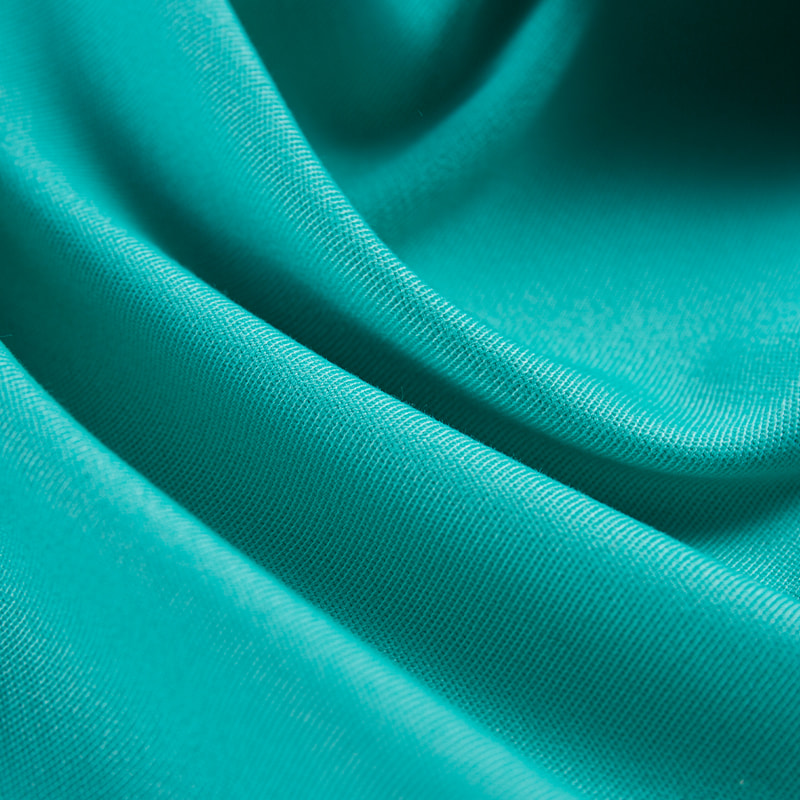
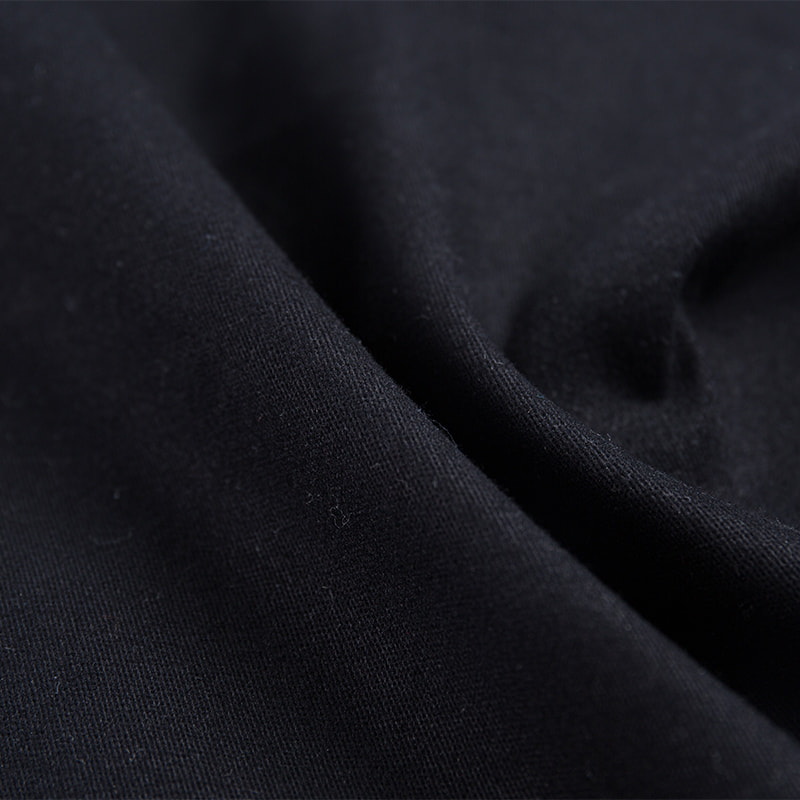
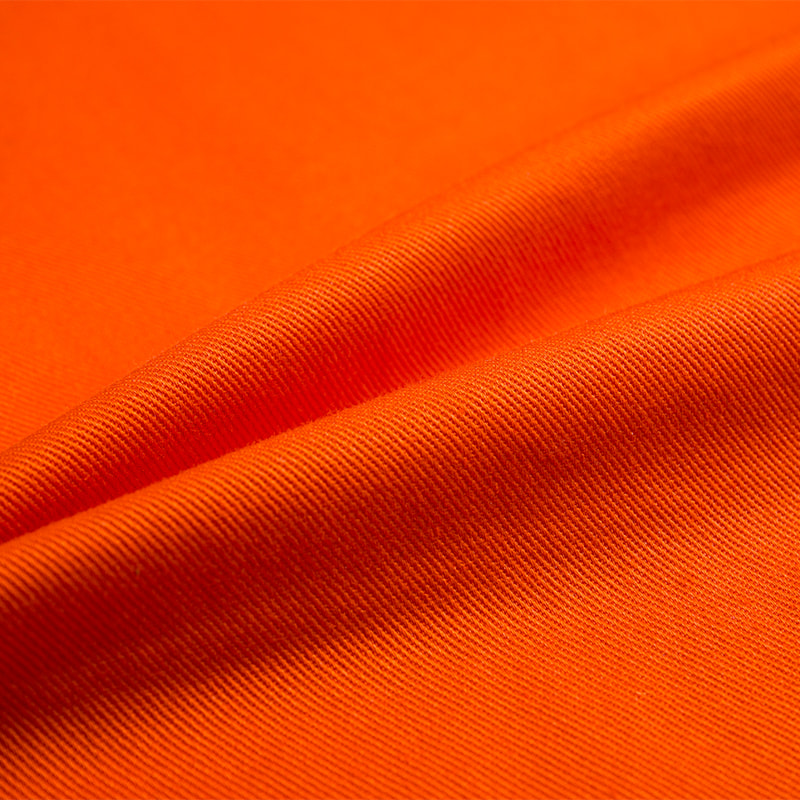
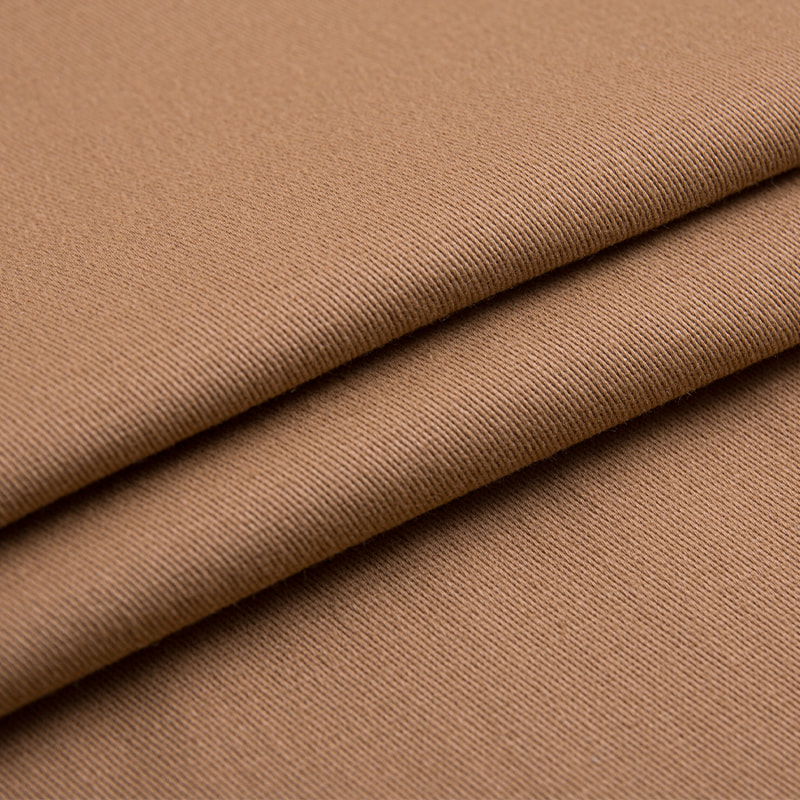
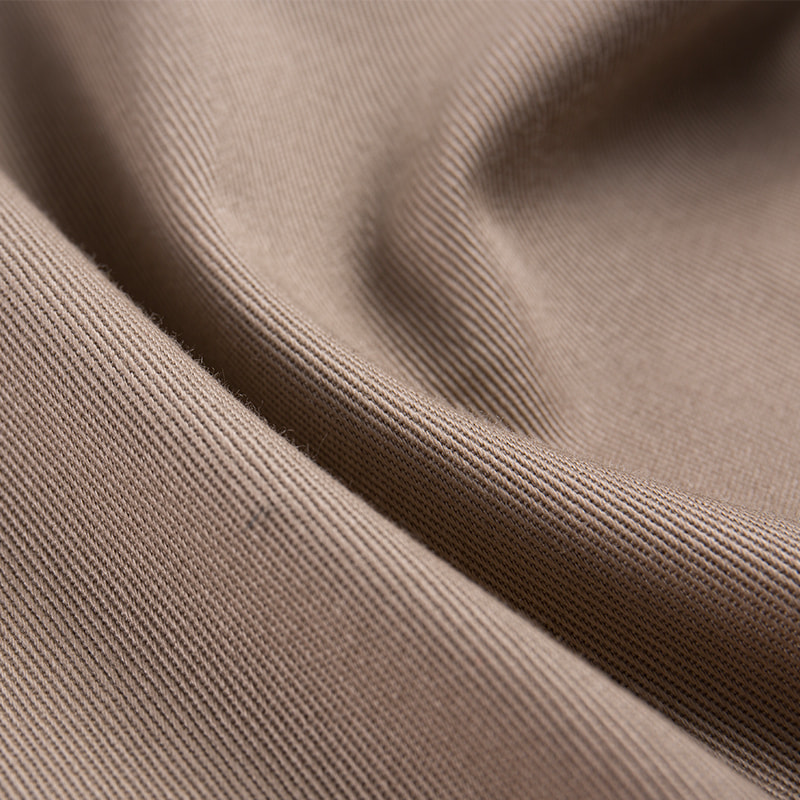
The Essential Guide to Twill Drill Fabric: Performance, Sustainability, and Modern Applications
In the competitive landscape of woven textiles, selecting the right base fabric determines not only the durability of the final garment but also the efficiency of the cutting room and the drape on the retail floor. As a vertically integrated supplier with deep roots in the European and American supply chains, we understand that modern brands require more than just a roll of cloth—they require a strategic component. This guide delves into the specific performance characteristics of Twill Drill constructions, focusing on the distinct advantages of TC Twill Drill Fabric, Stretch Polyester Twill Drill Fabric, Sustainable Twill Drill Fabric, and Viscose Cotton Twill Drill Fabric. Whether you are developing a structured workwear line, a fluid utility pant, or a eco-conscious capsule, understanding the molecular and mechanical differences of these substrates is paramount.
Understanding the Twill Drill Weave: The Foundation of Durability
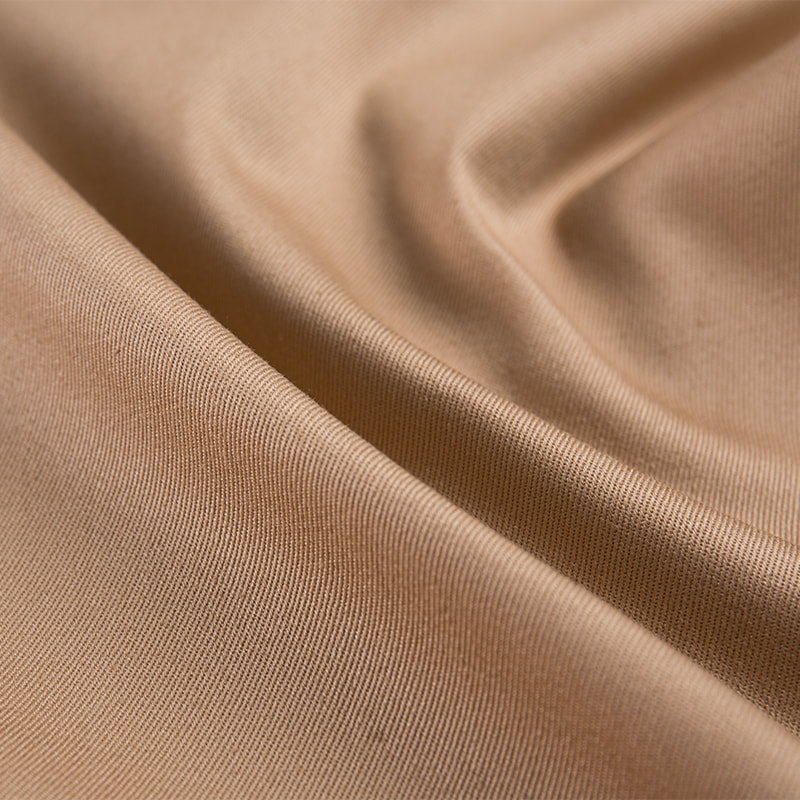
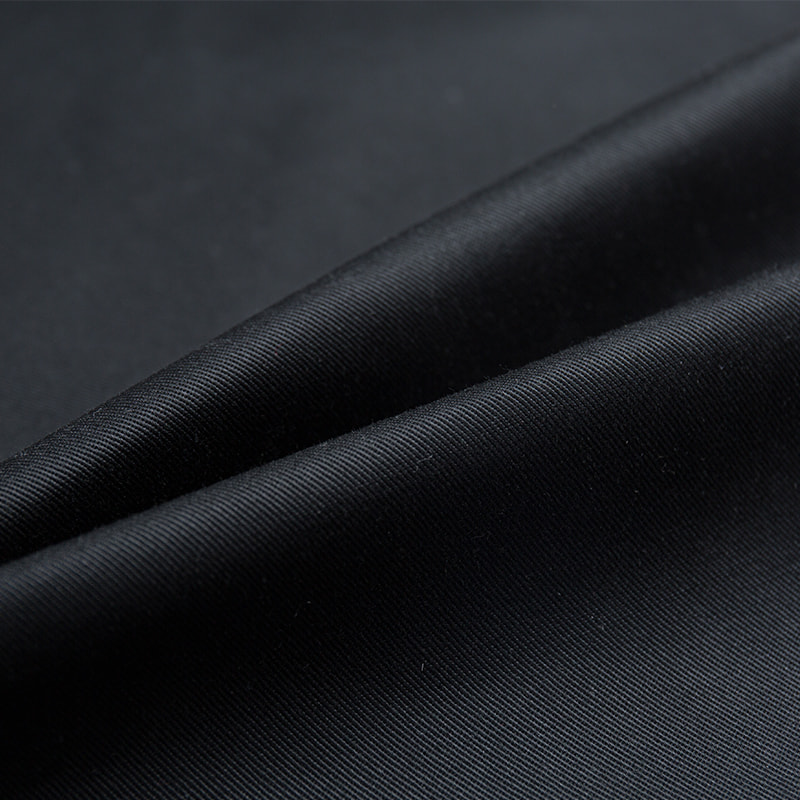
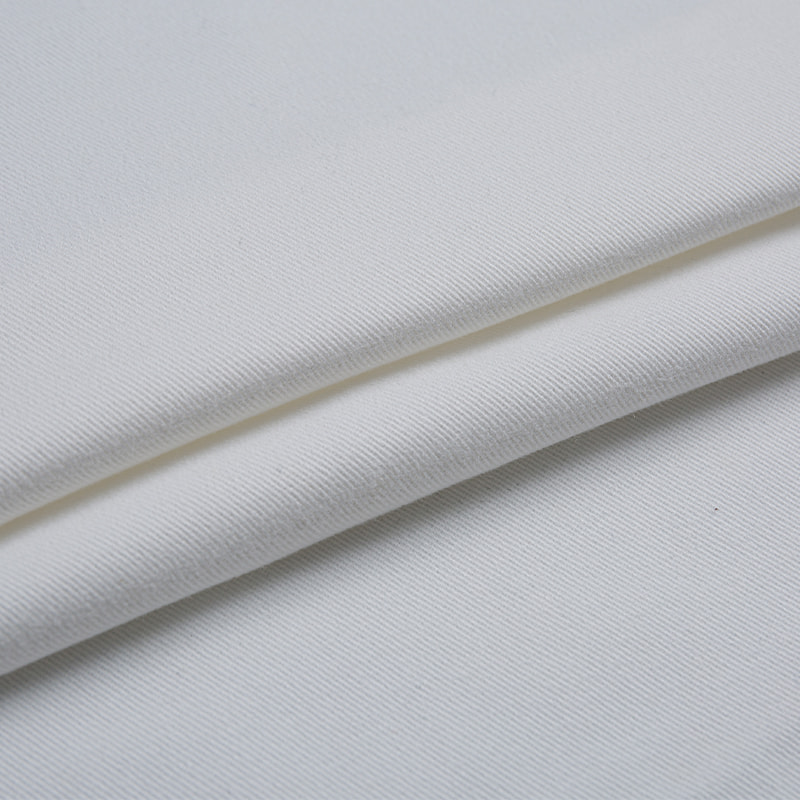
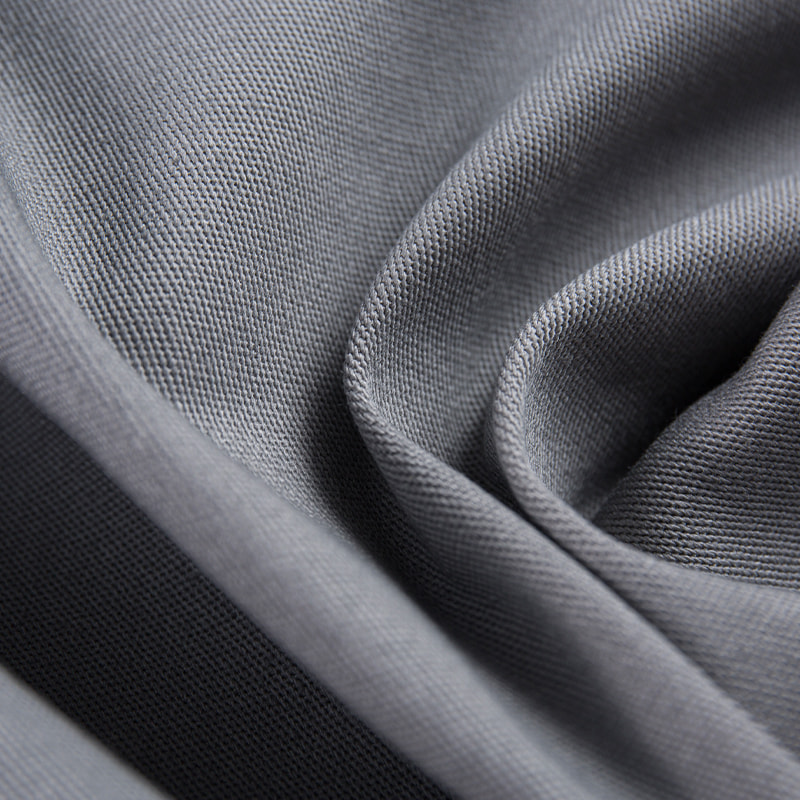
The term "Drill" refers to a specific subset of twill weaves characterized by a steep, pronounced diagonal rib and a significantly higher yarn count than standard twills. Unlike a 2/1 twill often found in lightweight shirting, true drill fabric typically employs a 3/1 or 4/1 warp-faced construction. This structural density is what makes TC Twill Drill Fabric a staple in the industry. The "TC" designation—Polyester/Cotton blend—represents a symbiotic relationship between synthetic resilience and natural moisture absorption. The polyester filament provides high tenacity and crease recovery, while the cotton fiber ensures breathability and a soft hand feel against the skin.
- Weave Structure: Predominantly 3/1 left-hand twill, optimizing tear strength and abrasion resistance.
- Surface Profile: Clean, clear diagonal lines that mask soiling and provide a professional, matte finish.
- Industrial Relevance: Favored for workwear, chef coats, and medical scrubs due to its ability to withstand industrial laundering and high-temperature sterilization.
Comparative Performance Analysis: Selecting the Right Drill Substrate
While the twill drill category shares a common DNA of durability, the fiber composition dictates vastly different end-use characteristics. A pair of cargo pants destined for a construction site demands a different polymer matrix than a tailored blazer for a creative office. Below, we break down the four critical variants to inform your sourcing decisions. Each variant carries a unique value proposition regarding comfort stretch, environmental footprint, and cost-per-wear ratio.
- TC Twill Drill Fabric: The industry workhorse. Typically a 65/35 or 80/20 Polyester/Cotton blend. It is the benchmark for workwear uniforms due to its exceptional dimensional stability. It resists shrinking and bagging at the knees and elbows far better than 100% cotton alternatives.
- Stretch Polyester Twill Drill Fabric: A modern essential for slim-fit and athleisure-inspired workwear. By integrating spandex (elastane) into the weft, we overcome the inherent rigidity of high-twist yarns. This substrate allows for a slimmer pattern block without sacrificing range of motion.
- Sustainable Twill Drill Fabric: Responding to the circular economy mandate, this category utilizes either post-consumer recycled polyester (rPET) derived from plastic bottles or BCI-certified/Organic cotton blends. It delivers the same mechanical strength as virgin TC Twill Drill Fabric but with a significantly reduced carbon and water footprint.
- Viscose Cotton Twill Drill Fabric: A departure from the purely utilitarian. Here, the harsh diagonal of the drill is softened with cellulosic luxury. The viscose component introduces a fluid drape and a subtle luster, making it ideal for women's suiting, soft-structured trousers, and premium linings where comfort is non-negotiable.
Technical Specification Comparison Table
To assist in technical design and material requirement planning (MRP), the following table outlines the standard construction parameters and performance metrics for these four fabric types. Data based on typical 220-280 GSM weight ranges.
| Fabric Type |
Typical Composition |
Weight (GSM) |
Key Feature |
Primary Application |
| TC Twill Drill Fabric |
65% Polyester / 35% Cotton |
240 - 280 |
High Tensile Strength & Easy Care |
Work Uniforms, Chef Wear, Aprons |
| Stretch Polyester Twill Drill Fabric |
98% Polyester / 2% Spandex |
200 - 260 |
4-Way Mechanical Stretch & Recovery |
Slim-fit Chinos, Tactical Pants, Lightweight Jackets |
| Sustainable Twill Drill Fabric |
rPET / Organic Cotton Blend |
220 - 270 |
GRS Certified / Lower LCA Impact |
Eco-conscious Corporate Wear, Bags |
| Viscose Cotton Twill Drill Fabric |
70% Viscose / 30% Cotton |
180 - 230 |
Superior Drape & Color Absorption |
Women's Slacks, Soft Blazers, Lining |
Deep Dive: The Rise of Sustainable Twill Drill Fabric in Global Supply Chains
The procurement landscape has shifted irrevocably toward accountability. With major retail partners like those we serve prioritizing Scope 3 emissions reductions, Sustainable Twill Drill Fabric has transitioned from a niche alternative to a baseline expectation. The challenge in drill fabric sustainability lies in maintaining the rugged, crisp hand feel associated with virgin polyester while utilizing recycled feedstock. Advanced spinning technologies now allow for rPET staple fibers that mimic the resilience of virgin filament, ensuring that a recycled workwear pant performs identically through fifty industrial wash cycles. Furthermore, the integration of LENZING™ ECOVERO™ viscose fibers in our blended options offers up to 50% lower water impact compared to generic viscose, a critical factor for brands focused on water stewardship.
- Certification Alignment: We support GRS (Global Recycled Standard) and Oeko-Tex Standard 100 certifications for full supply chain transparency.
- Performance Parity: Lab tests confirm that the pilling resistance (ASTM D4970) of our recycled drill matches that of conventional blends.
- Color Fastness: The dye uptake on rPET requires precise thermal calibration; our dope-dyed options provide superior light fastness for outdoor workwear applications.
Enhancing Comfort and Fit with Stretch Polyester Twill Drill Fabric
The modern workforce demands apparel that moves with the body, not against it. This is where Stretch Polyester Twill Drill Fabric excels. However, not all stretch is created equal. Inferior mechanical stretch finishes (calendar-based) wash out over time, leading to garment distortion. We specialize in woven-in stretch, where elastomeric yarns are integrated directly into the weave structure. This creates a "power stretch" effect—providing resistance that supports the muscle during movement while snapping back to the original silhouette. For technical outerwear or mid-layer work shirts, this fabric eliminates the need for oversized pattern cuts, thereby reducing fabric consumption and waste in the cutting room. The result is a sleeker, more professional appearance without the restriction often associated with rigid workwear.
- Growth Potential: Shrinkage control is paramount with stretch blends; our heat-setting process ensures dimensional stability below 2%.
- Seam Slippage: Due to the smooth surface of polyester, we recommend stitch density of 10-12 SPI to prevent seam grin on high-tension areas.
The Luxurious Hand of Viscose Cotton Twill Drill Fabric
While traditional drill is associated with ruggedness, Viscose Cotton Twill Drill Fabric represents the sartorial evolution of the weave. By introducing high-tenacity viscose staple fibers, we disrupt the stiffness of the twill line. This creates a fabric that holds shape but moves with a liquid-like fluidity. It is particularly suited for the "soft tailoring" trend dominating contemporary womenswear. The cotton component provides the necessary body to prevent the garment from clinging, while the viscose offers a cool, breathable touch perfect for year-round comfort in office environments. Moreover, the cellulose base of viscose allows for deeper, more vibrant dye penetration than pure polyester, yielding blacks that are truly black and jewel tones that remain rich after multiple dry cleaning cycles.
- Anti-Static Properties: Naturally less static-prone than 100% Polyester due to moisture regain properties of cellulosic fibers.
- Ironing Notes: Requires medium heat pressing to preserve the subtle sheen of the viscose content.
FAQ
What is the difference between standard twill and TC Twill Drill Fabric?
The primary distinction lies in the weave density and yarn composition. Standard twill (often a 2/1 weave) is more porous and lighter, typically used for shirting or linings. TC Twill Drill Fabric utilizes a steeper 3/1 or 4/1 weave with a much higher pick count per inch. The "TC" (Tetoron Cotton/Polyester Cotton) blend further enhances this density, creating a fabric that is significantly more resistant to tearing, abrasion, and pilling. In practical terms, a standard twill work shirt may last 6 months in a heavy industrial setting, whereas a garment made from proper drill fabric will often last 2-3 years, making it the more cost-effective choice over the garment's life cycle.
Does Stretch Polyester Twill Drill Fabric lose its elasticity after washing?
Inferior quality stretch fabrics do experience what is termed "creep"—a permanent elongation of the spandex fiber—after repeated high-heat laundering. However, our premium Stretch Polyester Twill Drill Fabric is engineered with a heat-set stabilization process. This process locks the spandex molecular structure while the fabric is held at a specific width and tension. As a result, the fabric exhibits less than 5% growth after 50 home launderings. To maximize the lifespan of the elastane, we advise industrial users to avoid autoclaving at temperatures exceeding 150°C (302°F) for prolonged periods.
How can I verify that the Sustainable Twill Drill Fabric is truly recycled and not just greenwashing?
Verification comes through third-party certification, specifically the Transaction Certificate (TC) issued under the Global Recycled Standard (GRS). When sourcing Sustainable Twill Drill Fabric, you should request a copy of the Scope Certificate (SC) from the mill and the corresponding TC for the specific lot of fabric purchased. This document traces the recycled content from the bottle flake stage through yarn extrusion, weaving, and finishing. It is a financial-grade audit trail that ensures the recycled content claim is accurate. Be wary of suppliers who only offer self-declared "eco" labels without a GRS or RCS certification number.
Is Viscose Cotton Twill Drill Fabric suitable for structured garments like blazers?
Absolutely, provided the correct weight and interfacing are selected. Viscose Cotton Twill Drill Fabric in weights above 210 GSM has sufficient body to hold a tailored silhouette while offering a distinct advantage over wool or poly-wool: it is washable (with care) and significantly more breathable in humid climates. For blazer construction, we recommend a medium-weight fusible knit interfacing rather than a stiff woven interfacing. This pairing maintains the natural, fluid drape of the viscose while providing the necessary structure in the lapel and shoulder area. It is an excellent choice for travel suiting and spring/summer office wear.
What are the cutting and sewing recommendations for these heavier twill fabrics?
Due to the density of TC Twill Drill Fabric and the directional nature of the twill line, special handling is required to prevent torque (twisting) in the finished garment. The following guidelines ensure production efficiency and garment quality:
- Cutting: All panels should be cut "Face to Face" or "Back to Back" in the same direction of the twill line. Cutting "Face Up" in one direction will result in left and right pant legs or sleeves that reflect light differently, creating a mismatched appearance.
- Needle Selection: Use a ballpoint needle (SES) size 70/10 to 80/12. Sharp needles will cut the polyester filaments, leading to seam puckering and loss of strength along the stitch line.
- Thread: Corespun thread (polyester core with cotton wrap) is optimal for strength and heat resistance during pressing.


 English
 Español
 عربى
عربى