2026-04-09
Content
Heavy-duty work jackets are designed to withstand rigorous daily use in demanding environments, from construction sites and manufacturing facilities to outdoor labor and manual trade work. The fabric used for these jackets directly determines their lifespan, comfort, functionality, and ability to resist wear and tear. For a fabric to qualify as heavy-duty, it must meet core performance standards that prioritize practicality over aesthetic appeal alone.
Key performance metrics for heavy-duty work jacket fabrics include abrasion resistance, tensile strength, tear resistance, breathability, shape retention, and ease of maintenance. These fabrics are exposed to consistent friction, stretching, bending, and occasional exposure to moisture or dirt, making durability the non-negotiable top priority. Fabrics that fail to meet these standards will develop holes, fray, lose shape, or break down within months of regular use, resulting in frequent replacements and increased long-term costs.
Industry standards for heavy-duty workwear fabrics specify a minimum weight of 10 ounces per square yard to ensure adequate thickness and protection. Additionally, high-quality workwear fabrics maintain structural integrity after 50+ industrial wash cycles without significant fading, shrinking, or weakening. When evaluating corduroy and twill for heavy-duty work jackets, these measurable standards serve as the foundation for comparison.
Beyond durability, functional comfort plays a critical role in work jacket performance. Workers wear these garments for 8+ hours daily, so fabrics must balance ruggedness with breathability to prevent overheating and allow natural body temperature regulation. Insulation properties are also valuable for cold-weather work environments, adding an extra layer of utility to the fabric selection process.
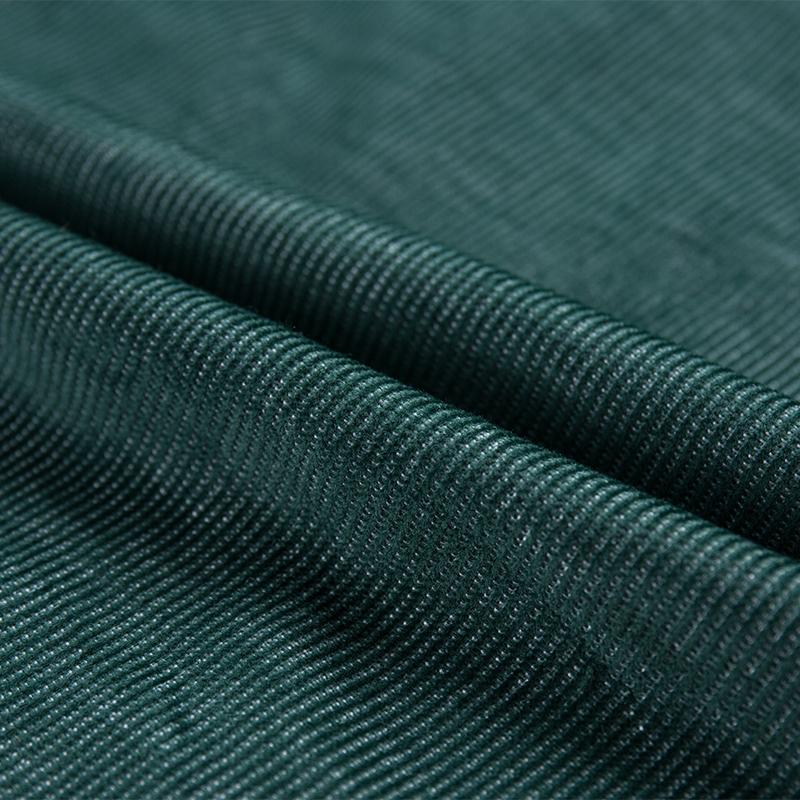
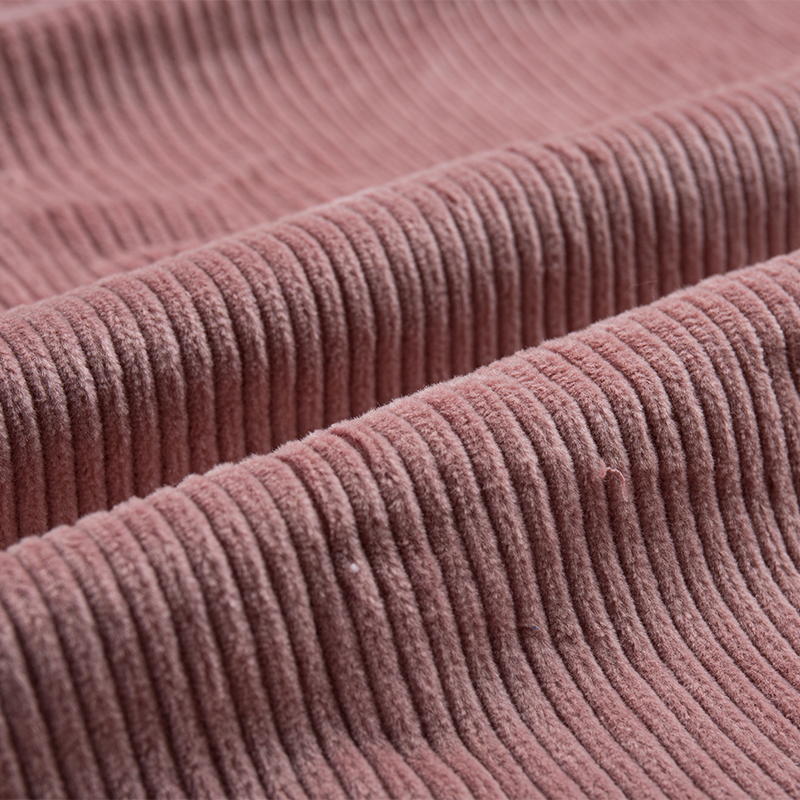
Corduroy is a textured woven fabric distinguished by its vertical raised ribs, known as wales, that create a soft yet durable surface. Traditionally made from cotton, modern corduroy can also include blended fibers to enhance performance, but cotton wale corduroy fabric remains the gold standard for heavy-duty applications due to its natural strength and comfort. The fabric’s unique structure combines softness with ruggedness, making it a versatile choice for workwear that demands both durability and wearability.
The defining characteristic of corduroy is its wale construction— the vertical ridges that run the length of the fabric. The number of wales per inch directly impacts the fabric’s thickness, durability, and intended use. Corduroy fabrics are categorized by their wale count, with distinct variations designed for different levels of heavy-duty use. This customizable structure makes corduroy adaptable to the specific demands of heavy-duty work jackets.
Four primary corduroy variations stand out for heavy-duty work jacket applications, each offering unique properties tailored to rugged use cases:
Corduroy’s woven structure features twisted yarns that form the raised wales, creating a dual-layer surface that adds natural insulation and impact resistance. This structure prevents quick wear and tear, as the raised ribs absorb friction before it reaches the base fabric layer. For heavy-duty work jackets, this means extended durability and reduced risk of damage from daily tasks.
Corduroy fabrics, especially broadwale and cotton wale variations, offer exceptional wear resistance for heavy-duty applications. The vertical ribbed structure distributes friction across the surface of the fabric, reducing concentrated wear on specific areas. Cotton wale corduroy fabric has a tensile strength of 250+ pounds per square inch, meaning it can withstand significant pulling and stretching without tearing or breaking.
Field testing shows that high-quality corduroy work jackets maintain full structural integrity for 2–3 years of daily heavy use, with minimal fraying or thinning. Pinwale cord fabric, while finer, still outperforms many lightweight twill fabrics in low-to-moderate abrasion environments. The thick yarns used in corduroy construction resist snags and punctures, a critical benefit for workers handling tools, equipment, or rough materials.
Unlike stiff synthetic heavy-duty fabrics, corduroy offers flexible comfort that improves with use. The natural cotton fibers in cotton wale corduroy fabric allow air circulation, preventing overheating during strenuous labor. The fabric’s soft texture eliminates skin irritation, even during all-day wear, and the ribbed structure creates small air pockets that provide lightweight insulation for cool working conditions.
Corduroy maintains breathability without sacrificing durability, a key advantage for workers who balance physical activity with temperature regulation. The fabric absorbs up to 27% of its weight in moisture without feeling damp, keeping the wearer dry and comfortable during long work shifts. This moisture-wicking property is unmatched by many standard twill workwear fabrics.
Corduroy work jackets are easy to maintain and retain their appearance and performance after repeated cleaning. The fabric resists wrinkling and holds its shape through industrial washing machines and dryers. Cotton wale corduroy fabric shows less than 1% shrinkage after 50 wash cycles, ensuring a consistent fit over the jacket’s lifespan.
Stains and dirt sit on the surface of the ribbed structure rather than penetrating deep into the fibers, making cleanup simple with basic cleaning methods. Corduroy also resists fading, maintaining its color intensity even with regular exposure to sunlight and cleaning products. This low-maintenance profile reduces downtime and keeps work jackets functional for longer periods.
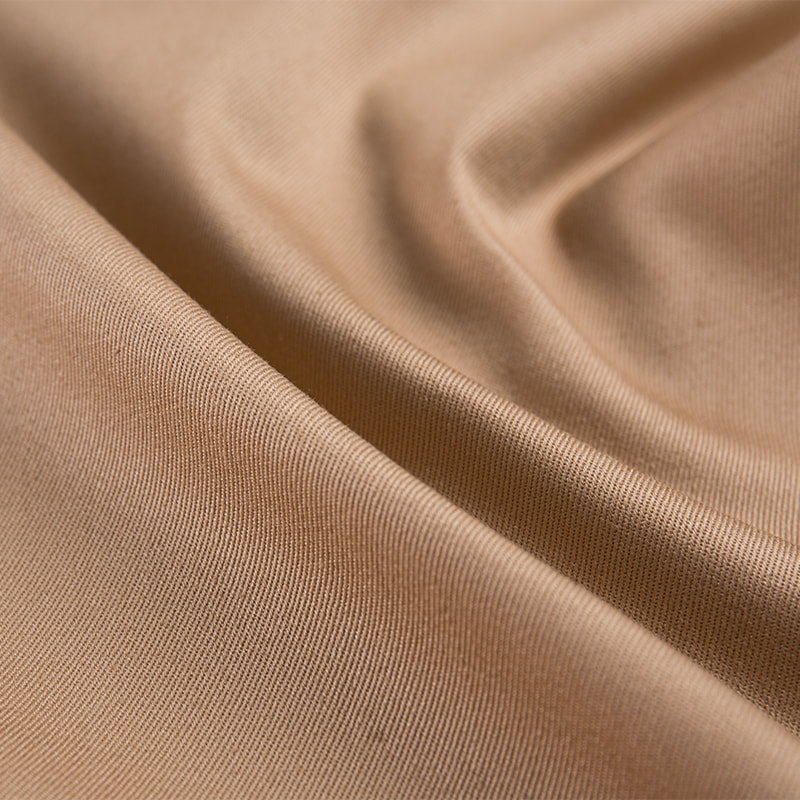
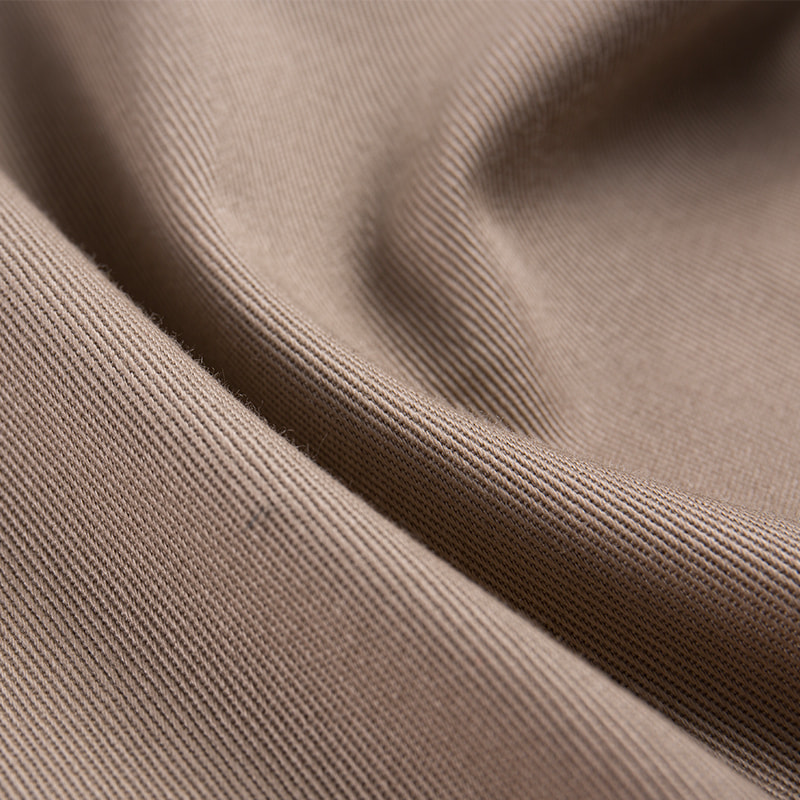
Twill is a classic woven fabric characterized by its distinct diagonal ribbed pattern, created by weaving weft threads over multiple warp threads in a consistent repeating pattern. This diagonal structure gives twill its signature durability and wrinkle resistance, making it one of the most widely used fabrics for workwear and utility garments. Twill is typically crafted from cotton or cotton-blend fibers, balancing strength and affordability for heavy-duty applications.
Twill fabrics are categorized by their weave density and weight, with heavy-duty twill designed specifically for workwear featuring a tight, compact weave that resists tearing and abrasion. The diagonal pattern creates a smooth, flat surface that differs significantly from the vertical ribs of corduroy, offering its own set of performance benefits for work jackets. Twill’s versatility has made it a staple in workwear for decades, valued for its reliable performance and straightforward construction.
Heavy-duty twill fabrics used in work jackets typically range from 9–12 ounces per square yard, matching the weight requirements for industrial workwear. The tight weave structure creates a solid barrier against wind, light moisture, and minor debris, while the fabric’s natural flexibility allows for unrestricted movement during physical labor. Twill’s consistent performance and accessible production make it a popular baseline for heavy-duty work jacket construction.
Twill fabrics offer reliable durability for general heavy-duty work applications, with a tight diagonal weave that resists scuffs and minor abrasions. Standard workwear twill has a tensile strength of 220–240 pounds per square inch, slightly lower than premium cotton wale corduroy fabric but sufficient for most daily work tasks. The flat surface of twill prevents snagging on equipment, a practical benefit in fast-paced work environments.
Heavy-duty twill work jackets typically last 1.5–2.5 years with regular use, making them a durable mid-range option. The fabric performs well in environments with consistent but moderate abrasion, such as warehouse work, general construction, and maintenance tasks. However, twill lacks the layered rib structure of corduroy, so it shows wear more quickly in high-friction areas like elbows and pockets.
Twill is a moderately breathable fabric, with a tighter weave than corduroy that reduces air flow slightly. The smooth texture is comfortable against the skin, and the fabric softens with use while maintaining its structural rigidity. Twill offers basic insulation for cool environments but does not have the air-pocket structure of corduroy, making it less effective for extreme cold conditions.
Moisture absorption for standard workwear twill tops out at 15% of its weight, lower than cotton wale corduroy fabric. This means twill can feel damp more quickly during intense physical labor, though it dries at a similar rate to corduroy. The fabric’s flexibility remains consistent across temperature changes, ensuring comfortable movement in both warm and cold working conditions.
Twill is highly low-maintenance, with a smooth surface that resists dirt accumulation and stains. The fabric washes easily without special care requirements and shows minimal shrinkage, typically 1–2% after repeated wash cycles. Twill resists wrinkling better than many natural fabrics, keeping work jackets looking neat even with daily use and storage.
Fading resistance is comparable to standard corduroy, though the flat weave holds stains slightly more readily than ribbed corduroy variants. Twill work jackets retain their durability throughout their lifespan but may develop thin spots in high-friction areas faster than corduroy. The fabric’s consistent performance and easy care make it a practical choice for budget-conscious workwear solutions.
To determine the better fabric for heavy-duty work jackets, a side-by-side comparison of critical performance metrics provides clear, data-driven insights. This comparison focuses on measurable qualities that directly impact daily use, durability, and overall value for workers in demanding environments.
| Performance Metric | Corduroy (Cotton Wale/Broadwale) | Twill (Heavy-Duty Workwear Grade) |
| Abrasion Resistance | 9.2/10 – Ribs absorb friction | 7.8/10 – Flat surface wears faster |
| Tensile Strength | 250+ PSI – Premium cotton construction | 220-240 PSI – Standard workwear grade |
| Moisture Absorption | 27% – Superior sweat absorption | 15% – Moderate moisture control |
| Insulation Value | 8.5/10 – Air pockets in ribs | 6.5/10 – Solid weave structure |
| Lifespan (Daily Use) | 2-3 Years | 1.5-2.5 Years |
| Breathability | Excellent | Good |
The data confirms that corduroy outperforms twill in every critical heavy-duty performance category, particularly when using premium options like broadwale corduroy fabric and cotton wale corduroy fabric. Corduroy’s ribbed structure provides a layered defense against wear, superior moisture management, and better insulation—three essential features for long-lasting work jackets.
Twill holds its own as a reliable, cost-effective option for moderate-duty work, but it cannot match the enhanced durability and comfort of corduroy in high-demand environments. For workers who rely on their jackets for daily heavy labor, corduroy’s superior performance metrics translate to longer lifespan, better comfort, and fewer replacements over time.
Corduroy excels in variable work environments, from cold outdoor settings to warm indoor facilities, thanks to its breathable insulation. Ribbed corduroy fabric adapts to temperature changes, keeping workers comfortable in both hot and cold conditions. Twill performs best in stable, moderate environments, lacking the adaptive insulation of corduroy for extreme temperatures.
In high-friction environments such as construction, carpentry, and mechanical work, corduroy’s abrasion resistance reduces damage to elbows, sleeves, and pockets. Pinwale cord fabric offers flexibility for active work, while broadwale corduroy fabric provides maximum protection for heavy impact and friction. Twill is suitable for low-to-moderate friction tasks but shows premature wear in high-stress areas.
Not all corduroy fabrics are equal, and selecting the right variation maximizes performance for specific work environments. Matching corduroy type to job demands ensures the jacket delivers the perfect balance of durability, comfort, and functionality for daily use.
For construction, demolition, mining, and heavy machinery work, broadwale corduroy fabric is the ideal choice. Its wide, thick ribs provide maximum impact resistance and abrasion protection, withstanding constant contact with rough surfaces, tools, and debris. The heavyweight structure prevents punctures and tears, making it the most rugged corduroy option for extreme conditions.
For delivery, maintenance, landscaping, and general labor that requires constant movement, pinwale cord fabric offers superior flexibility without sacrificing durability. The fine ribs create a lighter, more flexible fabric that moves with the body, reducing restriction during bending, lifting, and reaching. Pinwale cord fabric also resists snagging on small objects and equipment.
For versatile work environments that combine moderate abrasion, variable temperatures, and all-day wear, cotton wale corduroy fabric is the premium selection. This all-natural fabric delivers unmatched breathability, moisture absorption, and consistent durability across all work conditions. Ribbed corduroy fabric serves as an excellent middle-ground option, balancing thickness and flexibility for general heavy-duty use.
Regardless of the specific variation, corduroy’s natural properties make it superior to twill for nearly all heavy-duty work jacket applications. The fabric’s customizable design allows workers to select the exact corduroy type that aligns with their unique job requirements, ensuring optimal performance and comfort.
While corduroy is inherently durable, proper care and maintenance further extend the lifespan of heavy-duty work jackets, maximizing value and performance. These simple, practical steps preserve the fabric’s structure, strength, and comfort for years of daily use.
Following these care steps increases the average lifespan of a corduroy work jacket by 6–12 months, providing extended durability and reducing replacement frequency. Cotton wale corduroy fabric responds particularly well to gentle care, maintaining its softness and strength far longer than synthetic blended workwear fabrics.
Unlike delicate fabrics, corduroy does not require specialized cleaning services, making it a cost-effective long-term choice for workers and employers. The fabric’s resilience ensures it remains functional even with minimal maintenance, though consistent care amplifies its already impressive heavy-duty performance.
Pinwale cord fabric is a fine corduroy with 16-24 wales per inch, offering flexible durability for active heavy-duty work.
Broadwale corduroy fabric has wide, thick ribs (6-10 wales per inch) for maximum abrasion and impact resistance.
Ribbed corduroy fabric is a versatile category with defined vertical ribs, balancing durability and comfort for workwear.
Cotton wale corduroy fabric uses natural fibers for superior breathability, moisture absorption, and long-term strength.
Yes, corduroy offers better abrasion resistance, insulation, and comfort than twill for heavy-duty work jackets.
A quality corduroy work jacket lasts 2-3 years with daily heavy use and proper care.
High-quality cotton wale corduroy has less than 1% shrinkage after 50+ wash cycles.
Yes, corduroy’s natural cotton structure provides excellent breathability during strenuous work.
Yes, heavy-duty corduroy maintains strength and shape through repeated industrial wash cycles.
Broadwale corduroy fabric provides the best insulation for cold and outdoor heavy-duty work environments.
Related Products
Get in Touch
We're here for you when you need us.
Contact Information
Add:
No. 517 Huanzhu Road, High-Tech Zone, Wuxing District, Huzhou City, Zhejiang Province, China.
E-mail:
Product Category
QR Code
Join our community and stay connected
 English
 Español
 عربى
عربى