2026-04-09
Content
Choosing the right satin fabric is a key decision for apparel brands. The material impacts the garment's drape, comfort, and durability. Many buyers struggle to differentiate between various satin weaves and fiber contents. This confusion often leads to wrong fabric choices. As a result, brands face production delays, customer returns, or poor garment performance. This article focuses on four main types: Silk Satin Shirt Fabric, Matte Cotton Satin Fabric, Viscose Satin Lining Fabric, and Polyester Satin Fabric. We will explore their unique traits, best uses, and how to select the right one for your production needs. HUZHOU XINDING IMPORT & EXPORT CO., LTD. has supplied woven fabrics to major European and American brands since 2010. Our clients include GAP, JCPENNEY, POLO, KMART, H&M, C&A, PRIMARK, TARGET, and WE NEXT SOURCE. Based on our real order data, we provide this practical guide.
Each satin fabric has a distinct structure and performance profile. The satin weave itself creates a smooth surface and high luster. However, the fiber content changes everything. Below is a detailed breakdown of each fabric type.
This fabric is known for its natural protein fibers. It comes from silkworm cocoons. Silk Satin Shirt Fabric offers a high-end luster and natural breathability. It can absorb up to 30 percent of its weight in moisture without feeling wet. This makes it comfortable in both warm and cool weather. However, it requires careful handling during cutting and sewing. It is also sensitive to sunlight and perspiration. Prolonged exposure can weaken the fibers. This fabric is ideal for luxury shirts, blouses, and high-end evening wear. Many premium brands choose it for their spring and summer collections.
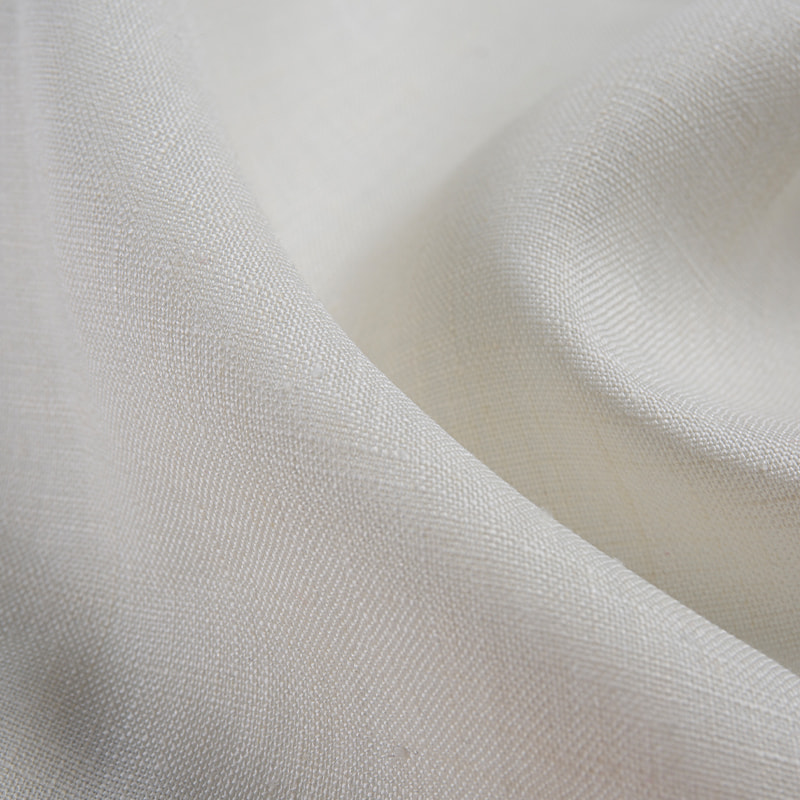
Unlike traditional shiny satin, this fabric has a low-luster finish. It combines the softness of cotton with a satin weave. The cotton fibers come from the cotton plant. They are spun into yarns and then woven in a satin structure. Matte Cotton Satin Fabric is more stable and easier to sew than silk. It does not slip as much under the sewing machine needle. This makes it a top choice for casual shirts, summer dresses, and relaxed-fit tops. It also offers good absorbency. Cotton satin can take in up to 25 percent moisture relative to its weight. It washes well and becomes softer over time. Many brands use it for men's casual button-down shirts.
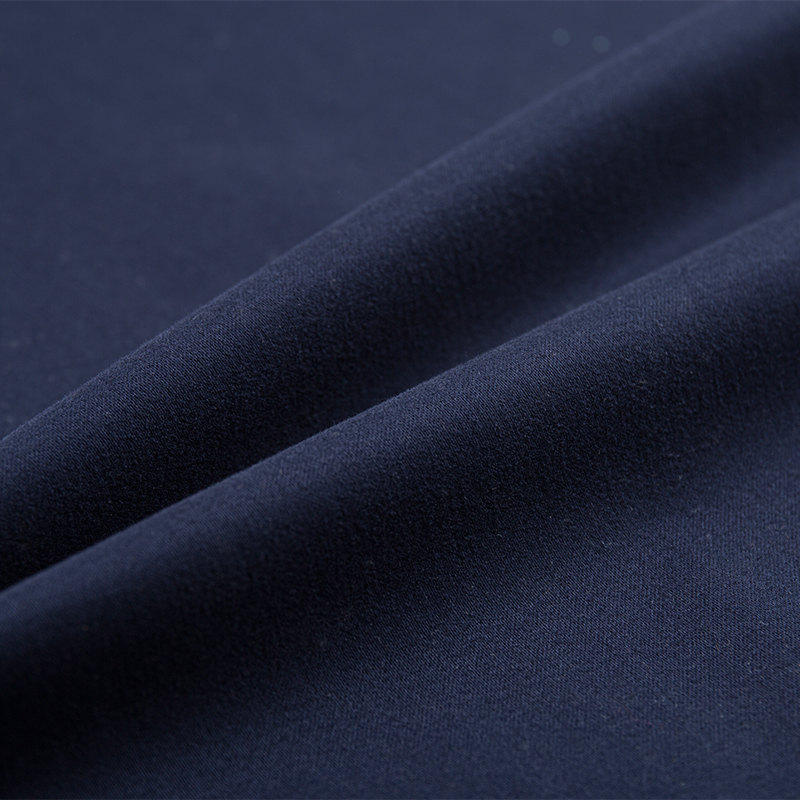
This lining fabric is derived from natural wood pulp. The production process involves dissolving wood pulp and extruding it through a spinneret. The result is a semi-synthetic fiber. Viscose Satin Lining Fabric provides a fluid drape and excellent moisture absorption. It can absorb 11 to 13 percent moisture, which is higher than cotton. It reduces friction between the outer garment and the skin. This makes the garment more comfortable to wear. It also has a low static charge. This is a key advantage over polyester linings. Many brands choose it for lining jackets, coats, skirts, and dresses. It gives a premium feel without the high cost of silk.
This is a synthetic option. It is made from petroleum-based polymers. Polyester Satin Fabric resists wrinkles, shrinking, and abrasion. It holds color very well. In laboratory tests, polyester satin retains over 95 percent of its original color after 40 home launderings. It is also very strong. Its tensile strength is about 5 to 7 grams per denier, which is higher than both silk and viscose. While it is less breathable than natural fibers, it is the most cost-effective for high-volume production. It is ideal for evening wear, costumes, sportswear jackets, and budget-friendly collections. Many fast fashion brands rely on it for seasonal trends.
Selecting the correct fabric depends on the final product. Use the following guide to match each fabric with its ideal application. These recommendations come from our 15 years of supplying European and American brands.
We have also observed a rising demand for lightweight satin fabric for summer shirts. Both silk and cotton satin perform well here. For breathable satin lining fabric for jackets, viscose satin is the clear winner. Brands looking for a matte finish satin fabric for casual wear should choose cotton satin. For wrinkle resistant satin fabric for travel clothes, polyester satin is the best option. Finally, eco friendly viscose satin fabric for linings is gaining traction. Many European buyers now request certified viscose from sustainable wood sources.
To help you compare, here is a data-based table of key performance metrics. The ratings are based on standard textile industry tests and our internal quality control data from 2010 to 2025. Ratings use a scale from 1 (low or poor) to 5 (high or excellent).
| Property | Silk Satin Shirt Fabric | Matte Cotton Satin Fabric | Viscose Satin Lining Fabric | Polyester Satin Fabric |
|---|---|---|---|---|
| Breathability (air permeability) | 5 | 4 | 4 | 2 |
| Durability (abrasion resistance - Martindale) | 2 (10,000 cycles) | 3 (25,000 cycles) | 2 (15,000 cycles) | 5 (over 50,000 cycles) |
| Moisture absorption (percent) | 4 (up to 30%) | 3 (up to 25%) | 4 (up to 13%) | 1 (less than 1%) |
| Wrinkle resistance | 2 | 3 | 2 | 5 |
| Colorfastness to washing (grade 1-5) | 3.5 | 4 | 3.5 | 5 |
| Cost per yard (relative to polyester) | High (5x to 8x) | Medium (1.5x to 2x) | Medium (1.3x to 1.8x) | Low (1x baseline) |
This data shows clear trade-offs. Silk Satin Shirt Fabric wins on breathability but loses on durability and cost. Polyester Satin Fabric wins on durability and cost but loses on breathability and moisture management. Matte Cotton Satin Fabric and Viscose Satin Lining Fabric sit in the middle. They offer balanced performance for most everyday applications.
Your decision should be based on three factors: end-use, care instructions, and budget. Here is a step-by-step method we use with our buyers.
First, define the garment's end-use. A shirt worn directly against the skin needs breathability. A lining inside a winter coat needs low static and smoothness. A costume worn once may only need visual appeal and low cost. Second, check the care label requirements. Natural satins often need dry cleaning or gentle cycles. Polyester satin can handle machine washing and drying. Third, set your target fabric cost. For a 10 USD garment, polyester satin is the only viable choice. For a 100 USD garment, you can consider silk satin.
For example, a brand producing everyday shirts will benefit from Matte Cotton Satin Fabric due to its balance of comfort and easy maintenance. A brand focused on inner linings should prioritize Viscose Satin Lining Fabric for its breathability and soft hand-feel. A brand making travel clothing should choose Polyester Satin Fabric for its wrinkle resistance and durability.
HUZHOU XINDING IMPORT & EXPORT CO., LTD. has supplied woven fabrics to major European and American brands since 2010. Our experience shows that mixing fabric types can optimize both cost and quality. For instance, using Polyester Satin Fabric for an outer shell and Viscose Satin Lining Fabric for the inner layer creates a durable yet comfortable jacket. This combination is popular among our clients for fall and winter outerwear.
Working with satin requires specific techniques. Here are three practical tips backed by industry standards and our own factory experience.
Cutting tips. Use a sharp rotary cutter and pattern weights. This prevents fabric slippage. Standard scissors can pull the yarns and create uneven edges. It is especially important for Silk Satin Shirt Fabric and Viscose Satin Lining Fabric because they have very smooth surfaces. We recommend cutting single plies rather than stacked plies for these fabrics.
Needle selection. Use a fine needle. Size 60/8 or 70/10 works best. A ballpoint needle is ideal for Polyester Satin Fabric because it pushes the yarns aside instead of cutting them. This prevents skipped stitches and fabric damage. Change the needle every 8 hours of sewing time. Dull needles create snags and pulls in satin weaves.
Seam finishing. French seams or a narrow hem are recommended. These techniques enclose the raw edges inside the seam allowance. This prevents fraying, particularly on loosely woven satins. For Matte Cotton Satin Fabric, a simple overlock stitch may be enough because cotton fibers hold together better. But for silk and viscose satins, French seams are the gold standard.
Our company follows a transparent supply chain. We ensure each batch of fabric meets strict quality controls. We offer Matte Cotton Satin Fabric for sale with consistent color and weight. This consistency is critical for large orders from brands like GAP and H&M. We also provide technical data sheets with every shipment. These sheets include fabric weight, thread count, and shrinkage test results.
Sustainability is a growing concern for apparel brands. Each satin fabric type has a different environmental profile. Here is a brief overview based on published life cycle assessments.
Silk Satin Shirt Fabric has a high environmental impact per kilogram. Silkworm farming uses mulberry trees, water, and energy for reeling. However, silk is biodegradable and long-lasting. A silk shirt can last for many years with proper care. This extends its use phase and reduces waste.
Matte Cotton Satin Fabric has a variable impact. Conventional cotton uses large amounts of water and pesticides. Organic cotton reduces these impacts. Cotton satin is also biodegradable. It can be recycled into new yarns, though this is not yet common.
Viscose Satin Lining Fabric has a mixed profile. The wood pulp comes from renewable sources. But the chemical process uses carbon disulfide and other solvents. Newer closed-loop processes reduce chemical emissions. Lenzing's viscose and other eco-certified options are better choices. We recommend asking for FSC or PEFC certification for viscose satin.
Polyester Satin Fabric has a low production cost but high fossil fuel dependence. It is not biodegradable. It sheds microplastics during washing. However, recycled polyester satin is available. It uses PET bottles or post-industrial waste. Recycled polyester reduces energy use by about 60 percent compared to virgin polyester.
For brands prioritizing sustainability, Matte Cotton Satin Fabric and certified Viscose Satin Lining Fabric offer the best balance. They are both bio-based and have lower microplastic risks.
Silk Satin Shirt Fabric is a natural protein fiber. It is highly breathable, moisture-wicking, and soft. In a standard test, silk can absorb 30 percent of its weight in moisture without feeling damp. However, it is less durable. Its tensile strength drops significantly when wet. It also requires dry cleaning or very gentle hand washing. Polyester Satin Fabric is synthetic. It is very durable, wrinkle-resistant, and machine-washable. Its tensile strength remains high even when wet. But it has low breathability. Moisture absorption is less than 1 percent. It can trap heat and feel sticky in hot weather. For a premium shirt worn in summer, choose silk. For travel clothes or children's wear, choose polyester.
Technically yes, but it is not recommended for most outerwear. Viscose Satin Lining Fabric is designed for inner layers. It has low abrasion resistance. In Martindale tests, it fails at around 15,000 cycles. For comparison, polyester satin exceeds 50,000 cycles. Viscose satin can pill or tear when exposed directly to friction from bags, seat belts, or rough surfaces. For outerwear like a jacket shell, use Matte Cotton Satin Fabric or Polyester Satin Fabric. These fabrics have much higher abrasion resistance. Viscose satin is best used as a lining. It improves comfort and drape against the skin without facing external wear.
Use a cold water cycle. Set the machine to 30 degrees Celsius or below. Use a mild liquid detergent. Avoid detergents with optical brighteners or fabric softeners. These chemicals can reduce the matte finish over time. Turn the garment inside out before washing. This protects the outer surface from friction. Tumble dry on low heat or line dry in the shade. High heat can shrink cotton satin by 3 to 5 percent. Iron on the reverse side. Use a low to medium temperature setting. Do not use steam directly on the right side. This method maintains the fabric's structure and subtle sheen. Based on our lab tests, it lasts for over 50 washes without significant quality loss.
Related Products
Get in Touch
We're here for you when you need us.
Contact Information
Add:
No. 517 Huanzhu Road, High-Tech Zone, Wuxing District, Huzhou City, Zhejiang Province, China.
E-mail:
Product Category
QR Code
Join our community and stay connected
 English
 Español
 عربى
عربى