2026-04-09
Content
Cotton poplin fabric is one of the most widely used materials in the textile industry. Known for its smooth texture, durability, and versatility, it has been a staple in the creation of various garments, especially shirts.
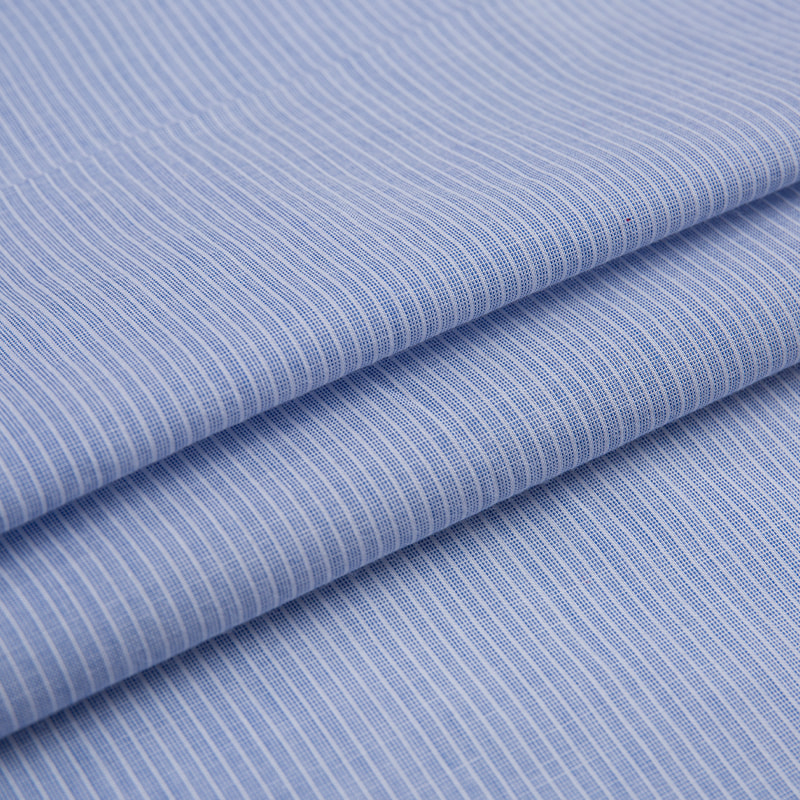
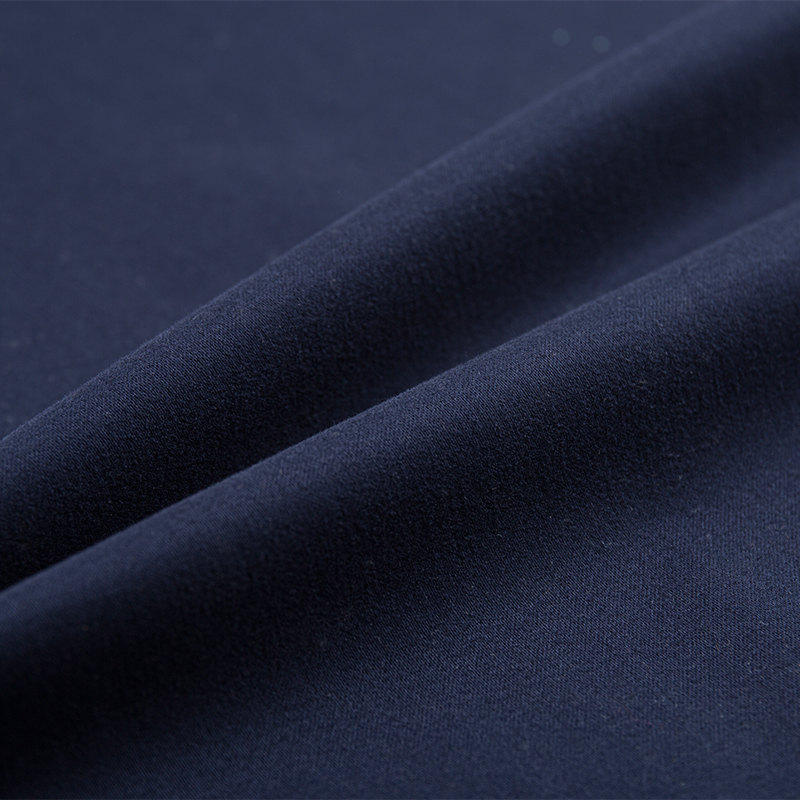
Cotton poplin is a plain weave fabric known for its crisp texture and smooth finish. It is made from cotton, although variations can include blends with other fibers such as polyester for added durability and wrinkle resistance. The fabric’s distinctive weave creates a fine ribbing on the surface, which is why it is often referred to as fine ribbed cloth in its specific variations.
Poplin’s plain weave is designed for durability, and it often has a soft feel, yet a sturdy structure. This combination of softness and strength makes it an ideal choice for both casual and formal garments.
The history of cotton poplin dates back to the 15th century when the fabric was first created in Italy. Initially, it was woven from silk, but as the popularity of cotton grew, the fabric evolved into a cotton-based version. Over the centuries, cotton poplin has been adapted and modified, becoming a significant fabric in various applications, especially in fashion and interior design.
Cotton poplin comes in several variations, each serving a different purpose depending on the texture, weave, and fiber blend used. Let’s dive into some of the most common types and explore their unique characteristics.
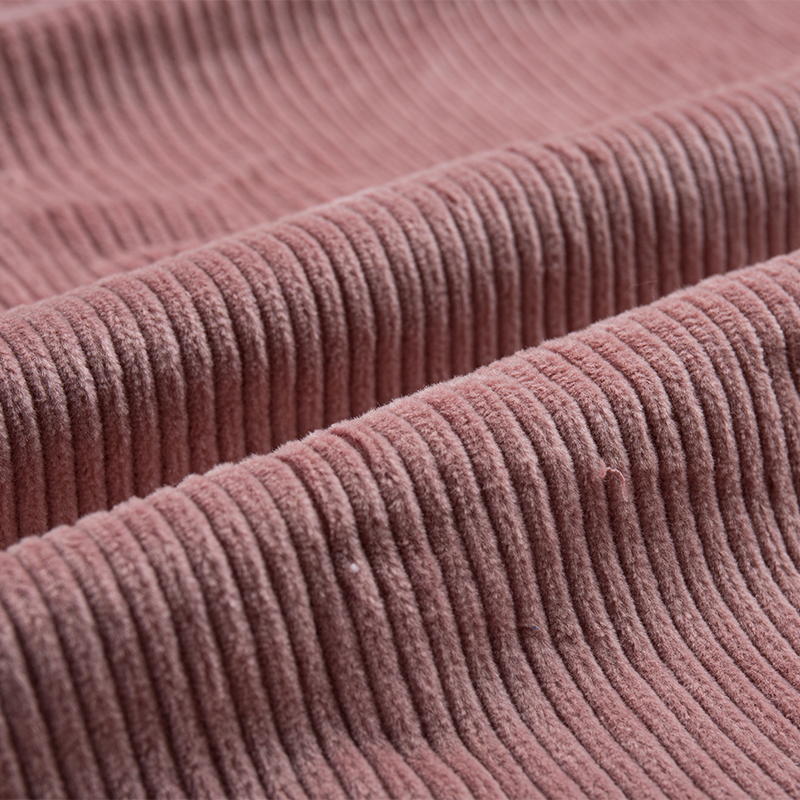
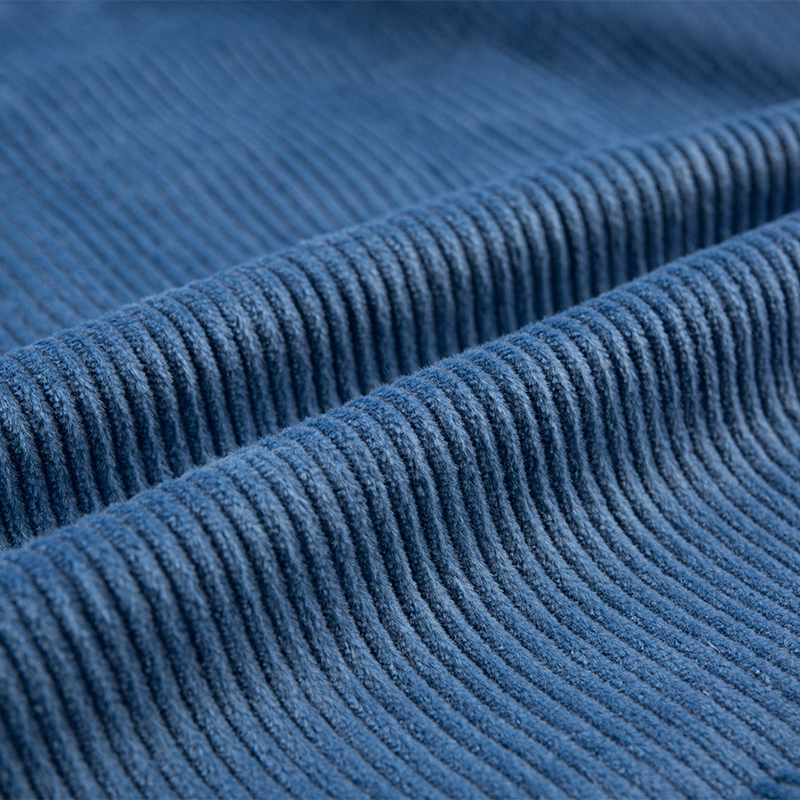
One of the most common distinctions within the poplin family is between plain weave poplin fabric and fine ribbed cloth. Both fabrics are similar in their smooth and lightweight nature, but fine ribbed cloth is distinguished by its ribbed texture, which is more pronounced than the regular poplin. Fine ribbed cloth is made using a slightly different weaving technique that creates more visible ridges in the fabric.
Plain weave poplin is created by alternating over and under the threads in a simple pattern, making it very durable and resistant to wear. On the other hand, fine ribbed cloth uses a specialized weaving method that creates a texture with raised ridges. This gives the fabric a distinct, ribbed effect that adds visual interest and depth to garments and home decor items.
Fine ribbed cloth is often favored for clothing where texture and aesthetic value are important, such as dresses, shirts, and suits. The unique texture also makes it popular in interior design applications, adding a sophisticated touch to home textiles like curtains and cushion covers. Meanwhile, poplin shirt fabric is a go-to choice for tailored shirts, due to its crispness and clean finish.
Cotton poplin has become synonymous with poplin shirt fabric, which is renowned for its use in both men’s and women’s shirts. The fabric is not only comfortable but also incredibly versatile, making it an excellent option for all seasons.
Poplin shirts are widely appreciated for their crisp, polished appearance and ability to maintain their shape over time. The fabric’s structure allows it to be breathable while maintaining its firmness, making it perfect for formal settings. Additionally, cotton poplin is soft against the skin, providing all-day comfort for the wearer.
When selecting cotton poplin for summer wear, it’s essential to consider factors like weight, weave, and breathability. A lighter weight poplin will ensure that you stay cool during hot weather, while the breathable nature of cotton ensures comfort even in humid conditions.
Fine ribbed cloth is often chosen for more textured or casual looks. It can add a layer of sophistication to shirts, blouses, and even dresses. Regular cotton poplin, on the other hand, is often seen in more structured and tailored garments. The plain weave structure allows for crisp lines and smooth draping, perfect for suits and office wear.
Cotton poplin has numerous benefits that make it a popular fabric in the fashion industry, including its comfort, breathability, and durability. These qualities contribute to its widespread use in both casual and formal garments.
Cotton, by nature, is one of the most breathable fabrics, and poplin, with its smooth finish, enhances airflow, allowing the skin to breathe even in hot conditions. It’s lightweight and soft, which makes it a preferred choice for shirts, dresses, and summer apparel.
Cotton poplin’s plain weave structure makes it inherently strong and long-lasting. It can withstand the rigors of everyday wear and frequent washing without losing its shape. Moreover, its resistance to wrinkles makes it a convenient option for busy professionals who need garments that look fresh all day.
Cotton poplin is also relatively eco-friendly compared to synthetic fabrics. Cotton is a renewable resource, and when responsibly sourced, it can be a more sustainable option for eco-conscious consumers.
Cotton poplin fabric, known for its comfort, breathability, and durability, is a popular choice for both fashion and home décor items. However, to maintain its appearance and performance over time, proper cleaning and care are essential. This section will provide detailed instructions on how to correctly clean and maintain cotton poplin fabric, prevent fading, and preserve its original texture.
Cotton poplin fabric is typically made from pure cotton or cotton blends, and when washing it, special care must be taken to avoid damage. Here are the key points to consider:
Washing Temperature
Select the Right Washing Cycle
Avoid Bleach
Cotton poplin fabrics, especially darker or brightly colored ones, may fade over time due to washing and exposure to light. To prevent fading and maintain the fabric’s vibrant colors, consider the following care tips:
Wash Inside Out
Use Color-Safe Detergents
Avoid Direct Sunlight
To ensure that cotton poplin retains its smooth and soft texture, it’s important to follow proper maintenance practices:
Gentle Ironing
Stain Removal
Avoid Heavy Pressure
Use Fabric Care Sprays
Cotton poplin may shrink if exposed to high temperatures, especially when washed or dried at high heat. To avoid shrinkage, follow these recommendations:
Opt for Low-Heat Drying
Avoid Hot Water in Washing
Beyond clothing, cotton poplin has made its mark in home decor as well. The fabric’s versatility, ease of care, and variety of textures make it suitable for use in home textiles.
Cotton poplin is widely used for bed linens, pillowcases, and even duvet covers. Its breathable properties ensure a comfortable night’s sleep, while its smooth texture adds an elegant touch to any bedroom decor.
In home decor, fine ribbed cloth is often used in cushion covers and curtains, offering a tactile, textured feel that elevates the aesthetic of living spaces. Cotton poplin’s durability ensures that these items can stand up to everyday use, while still maintaining their fresh appearance.
1. What is the difference between poplin fabric and fine ribbed cloth?
Poplin fabric is a smooth, plain weave fabric, while fine ribbed cloth features a more textured surface with visible ridges. The ribbed texture is achieved through a different weaving technique.
2. Is cotton poplin suitable for summer wear?
Yes, cotton poplin is an excellent choice for summer wear due to its lightweight, breathable, and moisture-wicking properties, making it comfortable in warm weather.
3. How do I know if my cotton poplin fabric is high quality?
High-quality cotton poplin will have a smooth, even texture, a crisp feel, and minimal wrinkling. It should also feel soft to the touch and have good durability without being too thin or flimsy.
4. Can poplin fabric be used for home decor?
Yes, poplin fabric is versatile and can be used for home décor items like curtains, cushions, and bedding. Its smooth texture and durability make it a great option for soft furnishings.
Related Products
Get in Touch
We're here for you when you need us.
Contact Information
Add:
No. 517 Huanzhu Road, High-Tech Zone, Wuxing District, Huzhou City, Zhejiang Province, China.
E-mail:
Product Category
QR Code
Join our community and stay connected
 English
 Español
 عربى
عربى