The Ultimate Guide to Selecting Premium Satin Fabrics for Apparel Manufacturing
Welcome to our comprehensive guide on woven satin textiles. As an integrated supplier specializing in high-quality fabrics for major European and American markets since 2010, we understand that selecting the right material is crucial for garment success. Whether you are developing luxurious tops, structured blazers, or comfortable everyday wear, understanding the distinct properties of different weaves is essential for creating exceptional apparel.
- Exploring the unique characteristics of various satin weaves
- Understanding fiber content and its impact on garment performance
- Guiding your sourcing decisions with professional manufacturing insights
Understanding the Elegance of Silk Satin Shirt Fabric
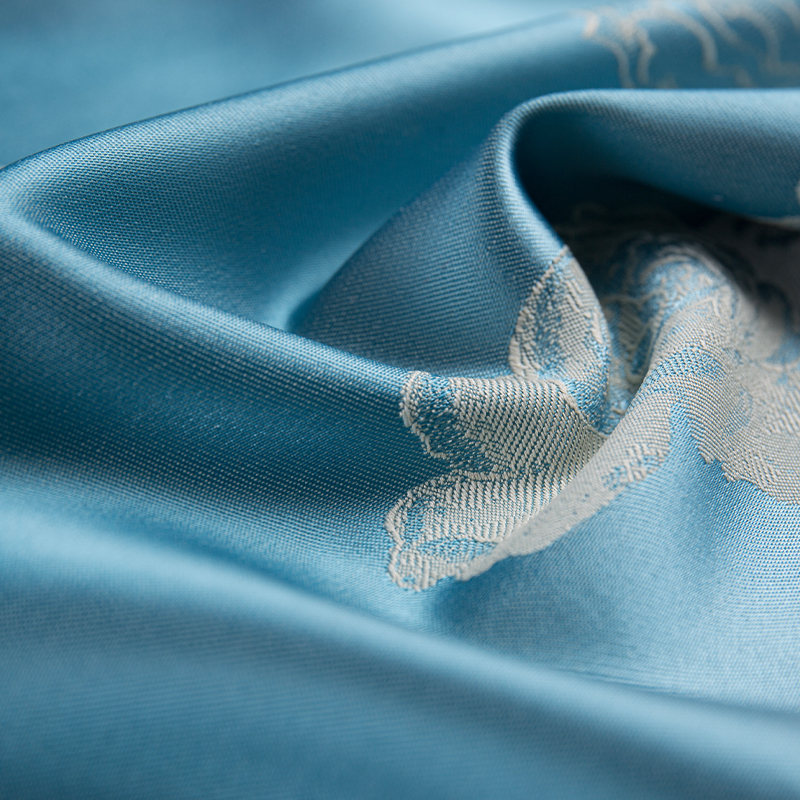
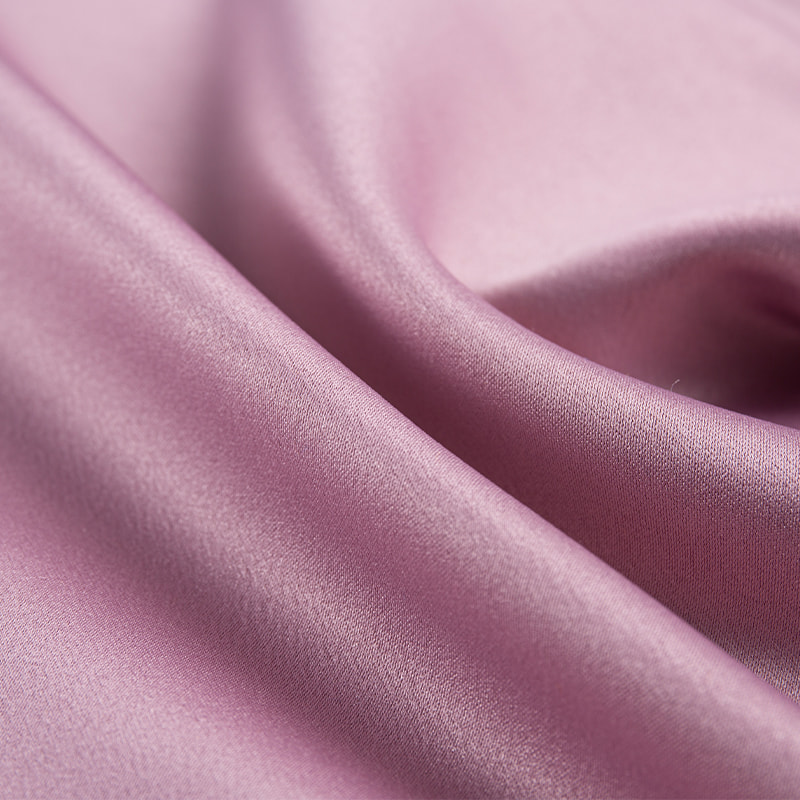
When designing high-end or luxury apparel, Silk Satin Shirt Fabric remains the gold standard for sophisticated tops and blouses. This material is characterized by its natural protein fibers, which offer an unparalleled smooth hand feel and a subtle, elegant luster. From a manufacturing perspective, pure silk satin requires meticulous handling during dyeing and finishing to preserve its natural sheen and tensile strength.
- Provides exceptional breathability and natural temperature regulation for the wearer
- Features a luxurious drape that enhances the silhouette of tailored garments
- Requires specialized dry cleaning or gentle hand-washing care protocols
The Versatility of Polyester Satin Fabric
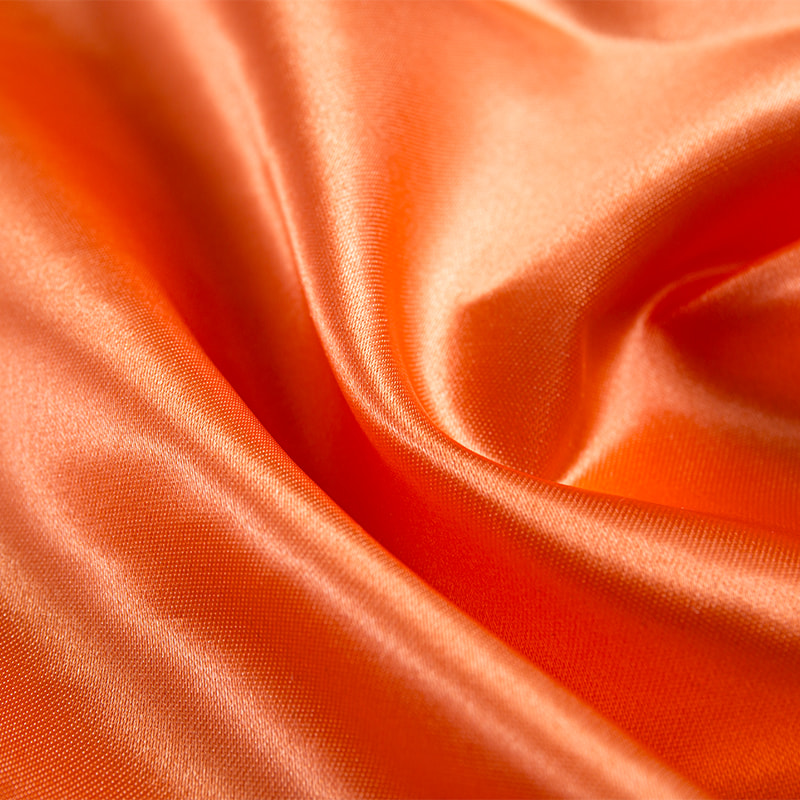
For mass-market apparel and items requiring high durability, Polyester Satin Fabric offers an excellent balance of aesthetics and practicality. As a leading supplier, we engineer this synthetic option to closely mimic the fluid drape and shine of natural fibers while providing superior resistance to wrinkles, shrinking, and chemical degradation. It is an ideal choice for structured garments, evening wear, and cost-effective production lines.
- Highly resistant to abrasion, making it suitable for frequent-wear garments
- Offers excellent color fastness and retention after multiple wash cycles
- Provides a cost-effective solution without compromising visual appeal
Comparing Natural and Synthetic Shirt Materials
To make an informed sourcing decision, apparel brands must weigh the benefits of natural protein fibers against engineered synthetics. While natural fibers offer prestige, synthetics provide unmatched resilience. The table below outlines the primary differences to help you select the right material for your specific production needs.
| Feature |
Silk Satin |
Polyester Satin |
| Raw Material Source |
Natural protein fibers |
Synthetic polymer fibers |
| Durability |
Moderate, requires delicate handling |
Highly durable and resilient |
| Moisture Management |
Highly absorbent and breathable |
Moisture-wicking but less breathable |
| Production Cost |
Premium pricing |
Highly cost-effective |
| Shrinkage Resistance |
Prone to shrinkage without proper care |
Excellent dimensional stability |
Why Choose Matte Cotton Satin Fabric for Everyday Wear
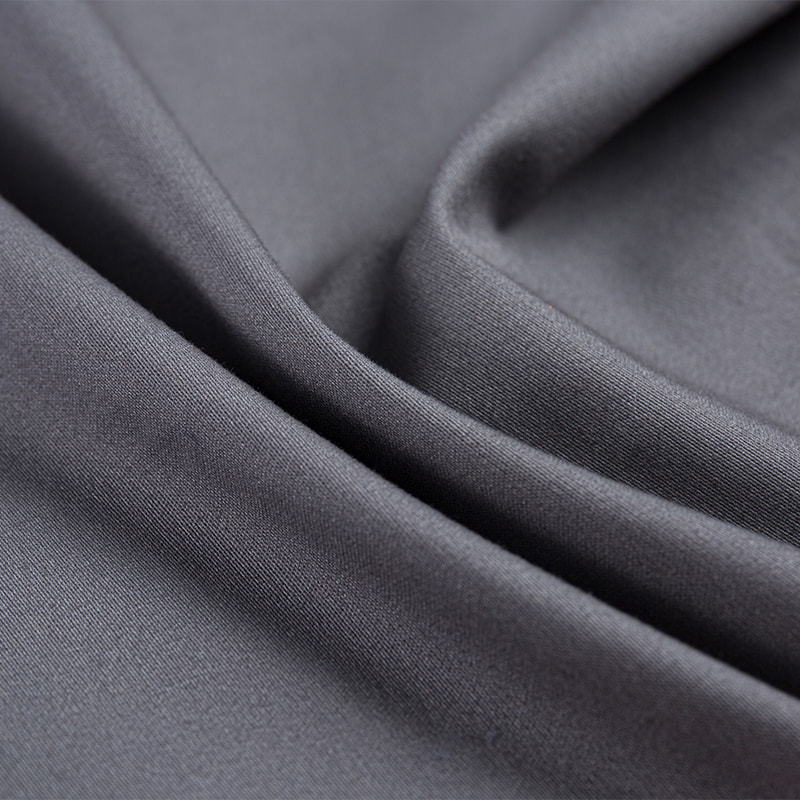
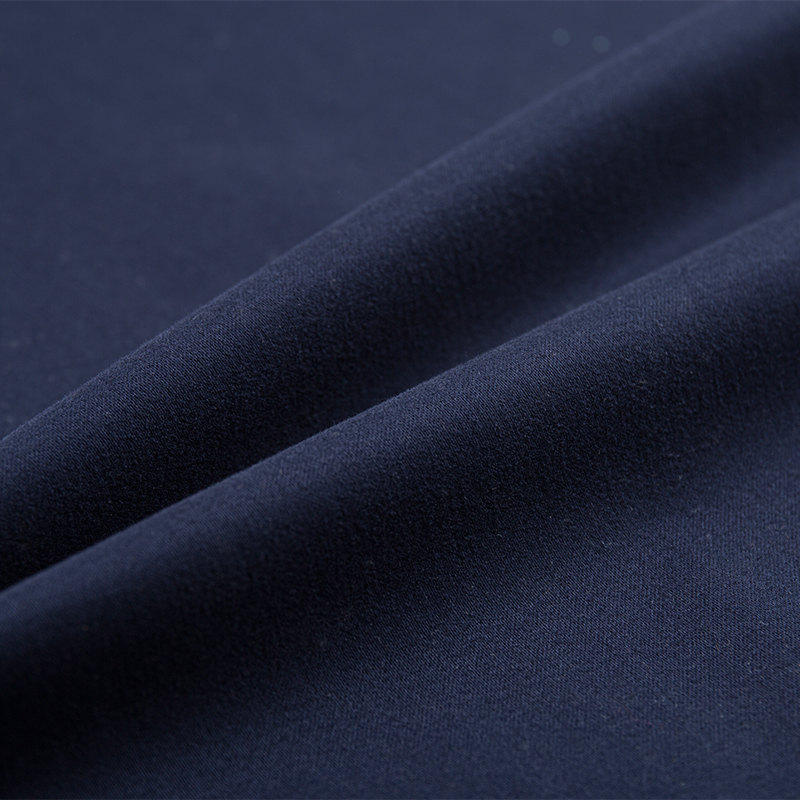
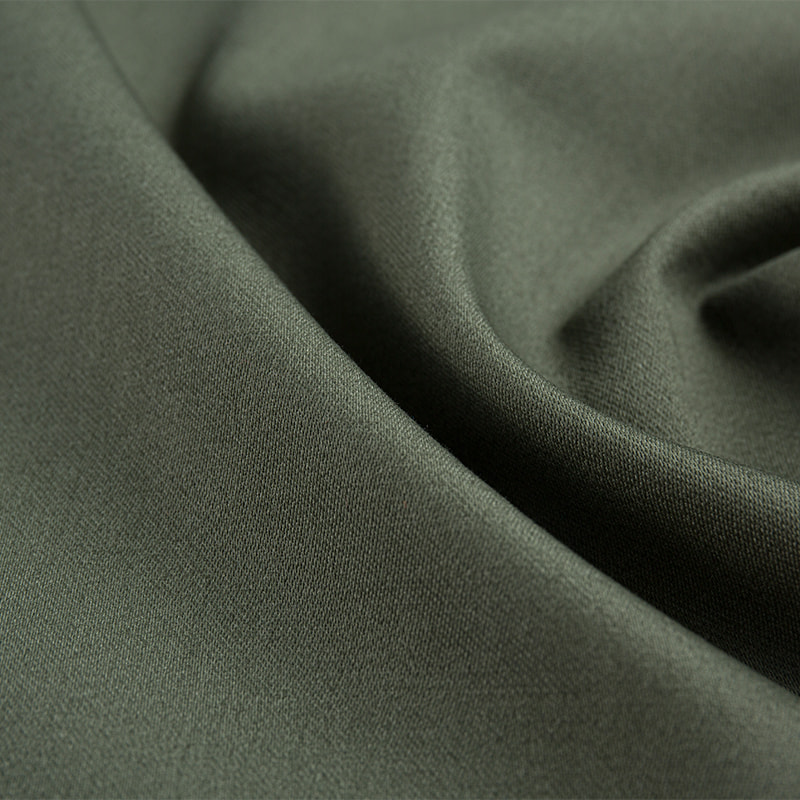
In modern apparel design, there is a growing demand for sophisticated aesthetics without the high shine of traditional satins. Matte Cotton Satin Fabric perfectly answers this call. By utilizing a satin weave structure with natural cotton yarns, this fabric delivers a soft, luxurious hand feel and excellent drape while maintaining a subtle, low-luster finish. It is highly sought after for tailored shirts, casual blouses, and high-end children's wear.
- Delivers a sophisticated, non-reflective aesthetic ideal for daytime apparel
- Combines the comfort and breathability of cotton with the fluid drape of a satin weave
- Offers ease of care compared to traditional silk alternatives
The Essential Role of Viscose Satin Lining Fabric
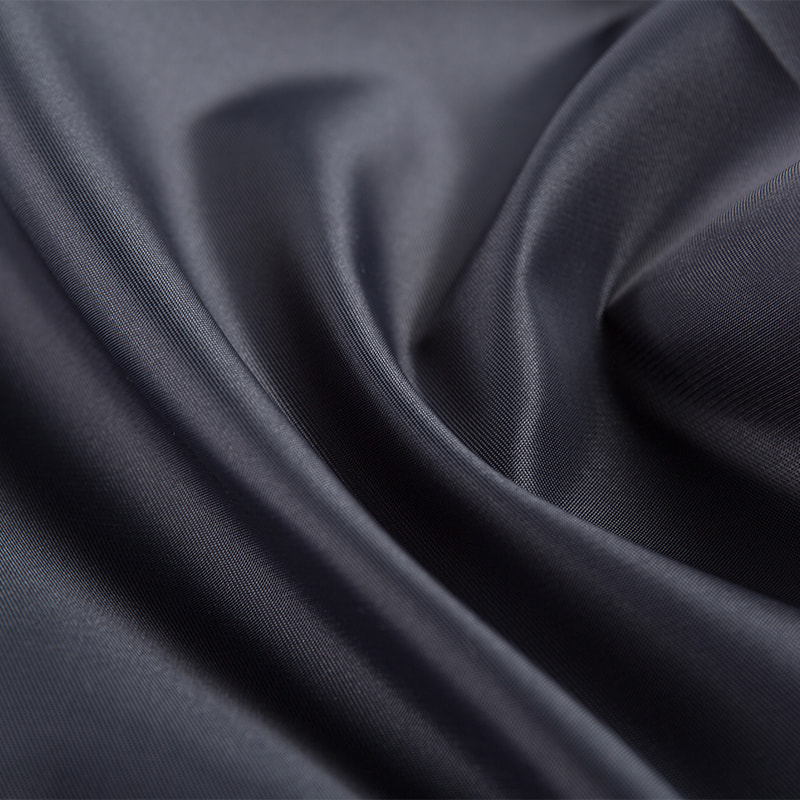
A garment's interior is just as important as its exterior. Viscose Satin Lining Fabric is the industry standard for elevating the comfort and functionality of tailored pieces such as blazers, coats, and trousers. Made from regenerated cellulose fibers, viscose provides an incredibly smooth surface that allows outer garments to glide effortlessly over the wearer's body, reducing friction and improving the overall fit of the apparel.
- Provides a silky, frictionless interior that enhances wearer comfort
- Exhibits excellent moisture absorption, preventing internal dampness in outerwear
- Available in a wide spectrum of colorways to perfectly match shell fabrics
Selecting the Right Inner Structure for Outerwear
Choosing the appropriate lining material directly impacts the longevity and wearability of the final garment. Designers must consider the weight of the shell fabric, the intended use of the garment, and the desired interior sensation. The following comparison highlights how different lining options perform under various manufacturing requirements.
| Property |
Viscose Satin Lining |
Standard Polyester Lining |
| Hand Feel |
Soft, smooth, and skin-friendly |
Slightly stiffer, synthetic feel |
| Breathability |
Highly breathable, prevents static buildup |
Lower breathability, prone to static |
| Moisture Absorption |
Excellent, keeps garments dry |
Poor, traps moisture against the skin |
| Environmental Impact |
Biodegradable base material |
Non-biodegradable synthetic |
| Best Application |
High-end suits and tailored coats |
Cost-effective fast-fashion outerwear |
FAQ
What is the difference between satin weave and sateen weave in shirt manufacturing?
The distinction lies primarily in the direction of the floats and the type of yarns utilized. A satin weave typically uses filament yarns—such as silk or polyester—which create long, uninterrupted floats that produce a high-shine, lustrous surface on the fabric's face. Conversely, a sateen weave uses spun yarns, usually cotton, resulting in a softer, matte finish with a gentle peached texture. Understanding this structural difference helps manufacturers choose between a glossy Silk Satin Shirt Fabric and a subdued Matte Cotton Satin Fabric based on the target market's aesthetic preferences.
Is viscose a good choice for coat linings compared to acetate?
Yes, viscose is widely considered superior to acetate for modern garment linings. While acetate was historically popular due to its low cost and high shine, it is prone to melting under high ironing temperatures and can develop permanent creases. Viscose Satin Lining Fabric, on the other hand, offers significantly better moisture absorption, breathability, and resistance to wrinkling. It provides a more comfortable microclimate inside the garment, making it the preferred choice for high-quality tailored outerwear that requires both durability and a premium interior feel.
How do you care for garments made with Polyester Satin Fabric to maintain their luster?
To preserve the structural integrity and sheen of Polyester Satin Fabric, we recommend turning the garment inside out before washing to protect the float threads from friction. Use lukewarm water and a mild, pH-neutral detergent, avoiding bleach or optical brighteners that can alter the fabric's color. While polyester is durable and can generally withstand machine washing, utilizing a gentle cycle and air-drying the garment flat will significantly extend the lifespan of the satin weave's reflective surface, preventing pilling and maintaining its elegant drape.
Can Matte Cotton Satin Fabric be used for structured garments like blazers?
Absolutely. While cotton satin is frequently used for shirting and dresses, its specific weave structure provides more body and stability than fluid filament satins. When utilizing a higher thread count and slightly heavier gram weight, Matte Cotton Satin Fabric can be effectively employed in unstructured or lightly tailored blazers. Its low-luster finish lends a contemporary, understated elegance to tailored pieces, though for heavily structured garments, interfacing and inner linings must be carefully selected to support the cotton yarn's natural drape.


 English
 Español
 عربى
عربى