What are the most sustainable fabrics for clothing in 2026?
Sustainability in fashion is a growing concern as consumers become more aware of the environmental impact of the textile industry. In 2026, sustainable fabrics will be a key focus for designers and consumers alike. With a focus on eco-friendly materials, sustainable fashion fabrics are being innovated and used more widely in various sectors, including garment textiles, home textile fabric, and plain woven fabric.
What Makes a Fabric Sustainable?
Before diving into the most sustainable fabrics of 2026, it is important to define what makes a fabric sustainable. Sustainable fabrics are those that are produced with minimal environmental impact and are either biodegradable or recyclable. They often come from renewable resources, require less water and energy to produce, and avoid the use of harmful chemicals or pesticides. In the context of garment textiles, sustainable fashion fabrics, home textile fabric, and plain woven fabric, the choice of material has a significant effect on both the environment and the consumer’s health.
Sustainability in fabrics can be categorized into two main aspects: the material’s lifecycle and its production process. These elements determine whether the fabric is truly sustainable or if it merely presents a temporary solution to a long-standing issue. Over the next few years, as global awareness increases, consumers will demand more transparency and ethical sourcing from brands.
Key Sustainable Fabrics to Watch in 2026
1. Organic Cotton: A Renewed Favorite
Organic cotton is one of the most popular sustainable fabrics in the fashion and home textile industry today. Unlike conventional cotton, which requires large amounts of pesticides and synthetic fertilizers, organic cotton is grown without these chemicals, resulting in lower environmental impact. Garment textiles made from organic cotton offer durability, softness, and breathability, making it a sought-after material for fashion brands focused on sustainability.
The use of organic cotton is expected to grow as the textile industry shifts toward more eco-conscious production. At HUZHOU XINDING IMPORT & EXPORT CO., LTD., organic cotton is part of their commitment to sustainability, with a focus on high-quality garment textiles that are both comfortable and eco-friendly. With growing consumer demand, organic cotton offers a viable solution for both the fashion and home textiles markets.
2. Hemp: Nature’s Strongest Fiber
Hemp has been used for centuries but is gaining popularity again as a sustainable fabric choice. Known for its strength, versatility, and minimal environmental impact, hemp is ideal for garment textiles and home textile fabric. Hemp is naturally resistant to pests, reducing the need for harmful pesticides. Additionally, hemp cultivation requires very little water, making it a water-efficient choice in comparison to other fibers like cotton.
The fabric produced from hemp is durable, breathable, and biodegradable, aligning with the growing demand for sustainable fashion fabrics. Hemp textiles are expected to play a significant role in the eco-conscious fashion industry of 2026 and beyond. As companies like HUZHOU XINDING IMPORT & EXPORT CO., LTD. continue to innovate, hemp will likely be a cornerstone of future collections.
3. TENCEL™: The Sustainable Solution for Luxury Fabrics
TENCEL™ (also known as lyocell) is a sustainable fiber produced from wood pulp, primarily sourced from sustainably managed forests. The closed-loop production process used to make TENCEL™ results in minimal waste and water usage. TENCEL™ fabrics are soft, breathable, and biodegradable, making them an excellent choice for garment textiles.
In 2026, TENCEL™ is expected to continue its rise as a luxury sustainable fashion fabric. Many designers already incorporate this fabric into their collections due to its environmentally friendly credentials and exceptional quality. HUZHOU XINDING IMPORT & EXPORT CO., LTD. is among the companies championing TENCEL™ for its sustainable properties, offering an environmentally responsible alternative to traditional fabrics.
4. Recycled Polyester: Closing the Loop on Waste
Recycled polyester is another fabric that is gaining traction due to its sustainability. Made from post-consumer plastic bottles, this fabric reduces the need for virgin polyester, which is a major contributor to pollution. By recycling plastic waste, brands can help reduce the amount of waste in landfills while still producing high-quality garment textiles.
The rise of recycled polyester as a sustainable fashion fabric has been supported by advancements in recycling technology. This fabric is durable, versatile, and easily integrated into both high-end fashion and everyday home textile fabric products. As brands like HUZHOU XINDING IMPORT & EXPORT CO., LTD. continue to expand their eco-friendly textile offerings, recycled polyester will play an integral role in reducing the industry’s reliance on virgin materials.
5. Linen: A Timeless Classic with Modern Appeal
Linen, derived from the flax plant, has long been known for its sustainability and environmental benefits. It requires minimal water and pesticides to grow, making it a low-impact alternative to cotton. Linen fabrics are breathable, moisture-wicking, and naturally biodegradable, which makes them an excellent choice for both garment textiles and home textile fabric.
With the demand for eco-friendly fabrics increasing, linen is being reimagined in new ways for fashion and home textiles in 2026. Its durability and timeless aesthetic ensure that plain woven fabric made from linen will remain relevant in a sustainable fashion future.
The Role of Plain Woven Fabric in Sustainable Fashion
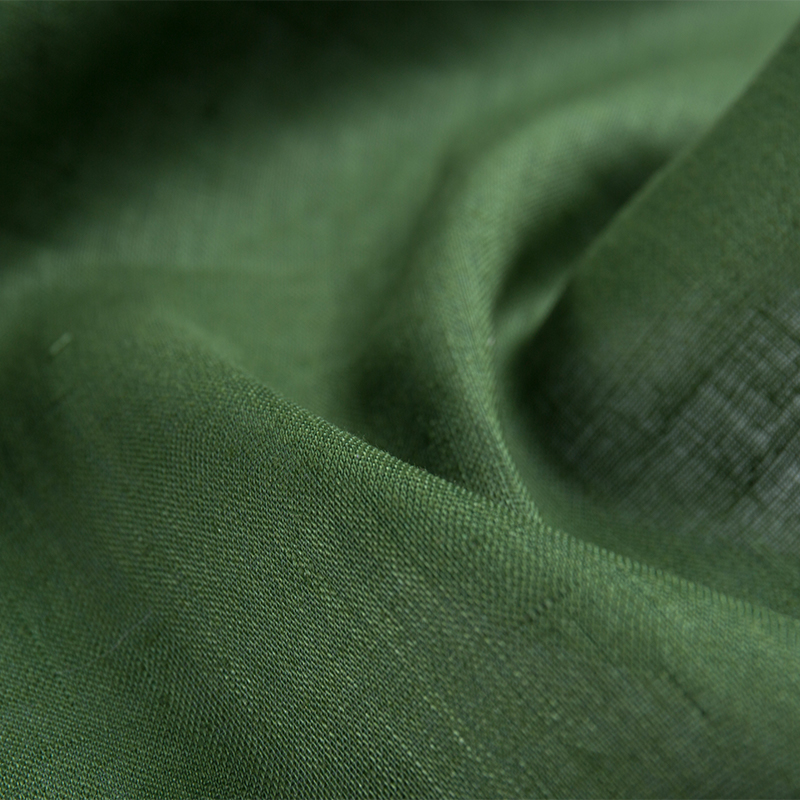
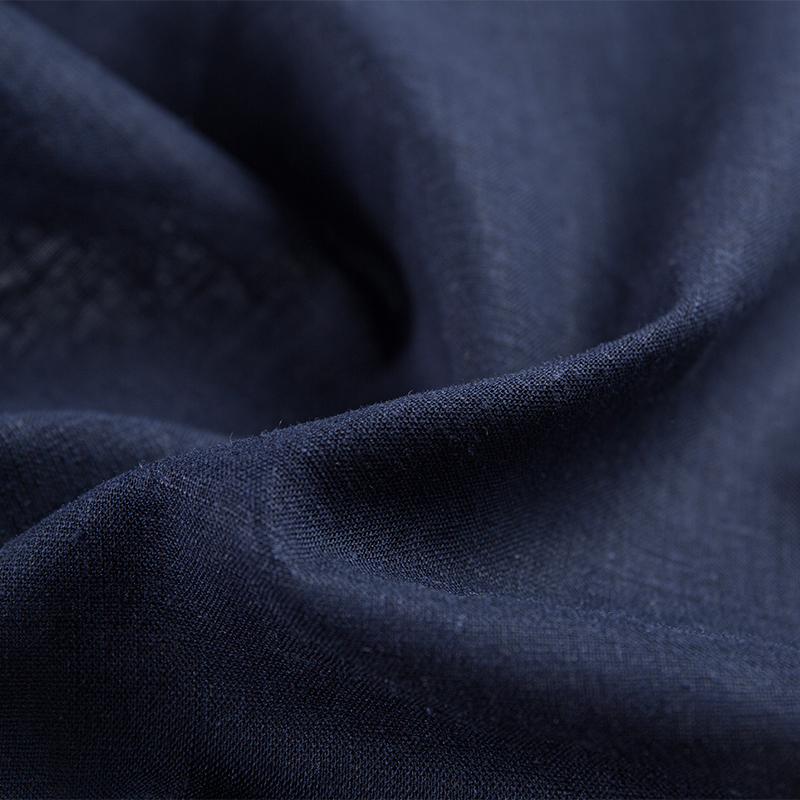
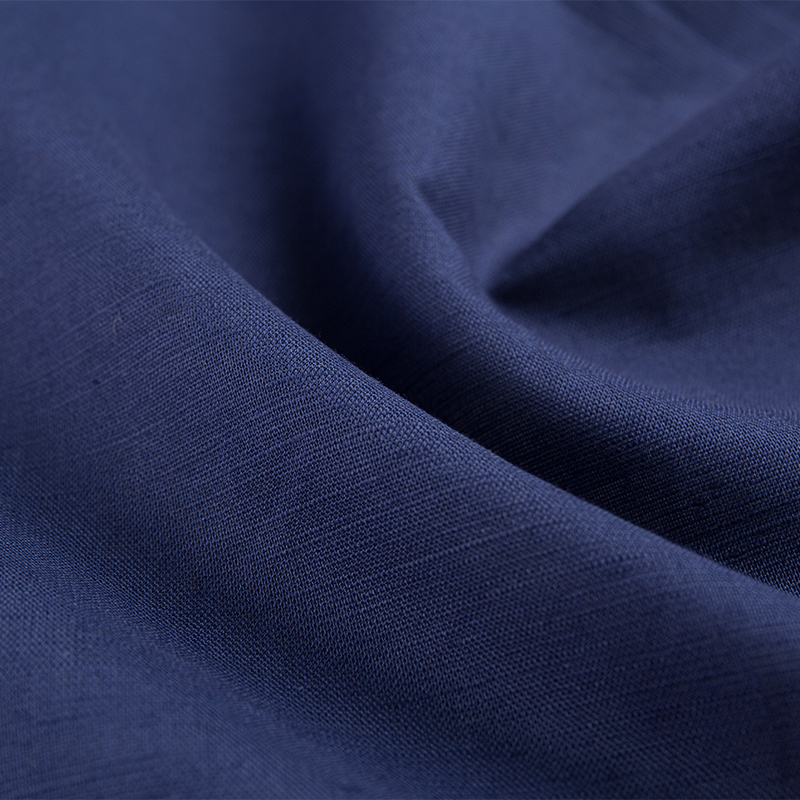
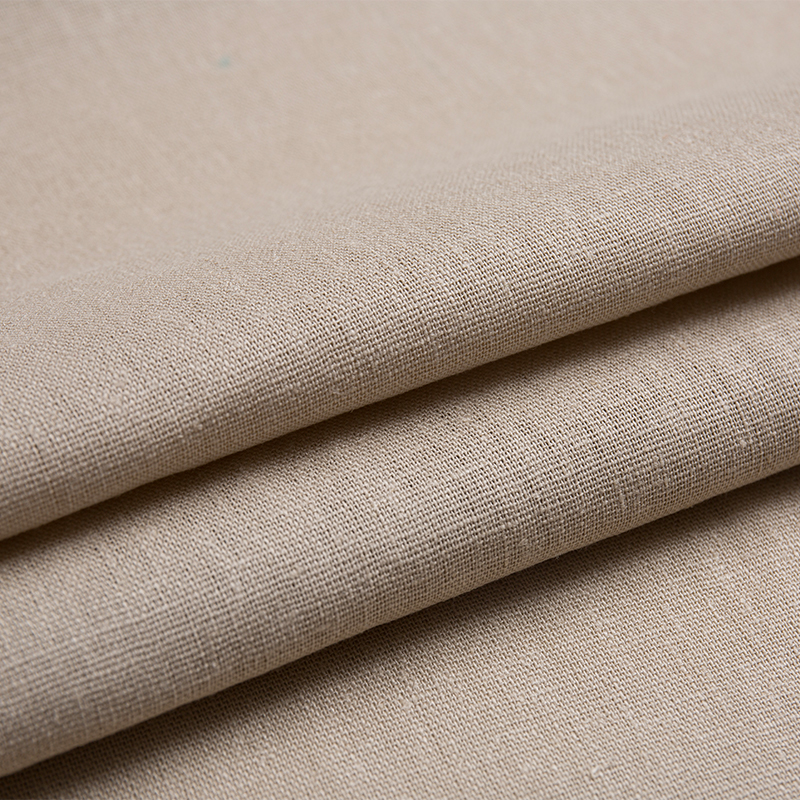
Plain woven fabric refers to a basic weaving technique that results in a durable, versatile textile. The simplicity of plain woven fabric makes it an ideal choice for sustainable fashion, as it can be produced using a variety of eco-friendly fibers, including organic cotton, hemp, and recycled polyester. The durability and longevity of plain woven fabric contribute to its sustainability, as garments made from this fabric are less likely to wear out or need replacement.
For companies like HUZHOU XINDING IMPORT & EXPORT CO., LTD., incorporating plain woven fabric into their collections allows them to provide high-quality, durable textiles to meet the growing demand for sustainable options. This fabric also has applications in home textiles, where durability and sustainability are equally important.
Challenges in Achieving Sustainable Fashion
While the adoption of garment textiles and sustainable fashion fabrics is on the rise, there are still challenges that the industry must overcome. One of the biggest challenges is scaling up sustainable production methods to meet global demand. Additionally, the availability of sustainable raw materials, such as organic cotton or recycled fibers, is still limited in some regions.
For home textile fabric manufacturers, there is also the challenge of ensuring that production methods align with sustainability goals without compromising on quality or comfort. Innovations in manufacturing processes and textile recycling are essential to addressing these challenges and ensuring the continued growth of sustainable fashion in the coming years.
FAQ
Q: What is the most sustainable fabric for clothing in 2026?
A: In 2026, organic cotton, hemp, TENCEL™, and recycled polyester are expected to be among the most sustainable fabrics for clothing due to their low environmental impact and eco-friendly production processes.
Q: How does hemp compare to cotton as a sustainable fabric?
A: Hemp is more sustainable than cotton because it requires less water and pesticides to grow. Hemp is also stronger and more durable, making it a better option for sustainable fashion.
Q: What is plain woven fabric and why is it sustainable?
A: Plain woven fabric is a basic textile weaving technique that creates a durable and versatile material. It is sustainable because it can be made from eco-friendly fibers like organic cotton or recycled polyester, and its durability reduces the need for frequent replacements.
Q: How can TENCEL™ contribute to a sustainable wardrobe?
A: TENCEL™ is made from sustainably sourced wood pulp and is produced using a closed-loop process that minimizes waste. It is biodegradable and offers a sustainable alternative to synthetic fibers in fashion.
Q: Is recycled polyester truly eco-friendly?
A: Yes, recycled polyester helps reduce the environmental impact of polyester production by reusing plastic bottles. It lowers the need for virgin polyester and diverts plastic waste from landfills. However, the sustainability of recycled polyester depends on the production processes used to recycle it.
Conclusion
The future of sustainable fashion in 2026 looks promising, with eco-friendly materials such as organic cotton, hemp, TENCEL™, and recycled polyester leading the way. These fabrics not only reduce the environmental impact of textile production but also offer durability, versatility, and comfort. Companies like HUZHOU XINDING IMPORT & EXPORT CO., LTD. are at the forefront of this movement, providing high-quality garment textiles, sustainable fashion fabrics, and home textile fabric that meet the demands of consumers who are committed to a greener future. As the industry continues to evolve, plain woven fabric will remain a key player in the transition to sustainable fashion, offering a reliable and long-lasting option for both clothing and home textiles.


 English
 Español
 عربى
عربى