What are the different types of corduroy fabrics available?
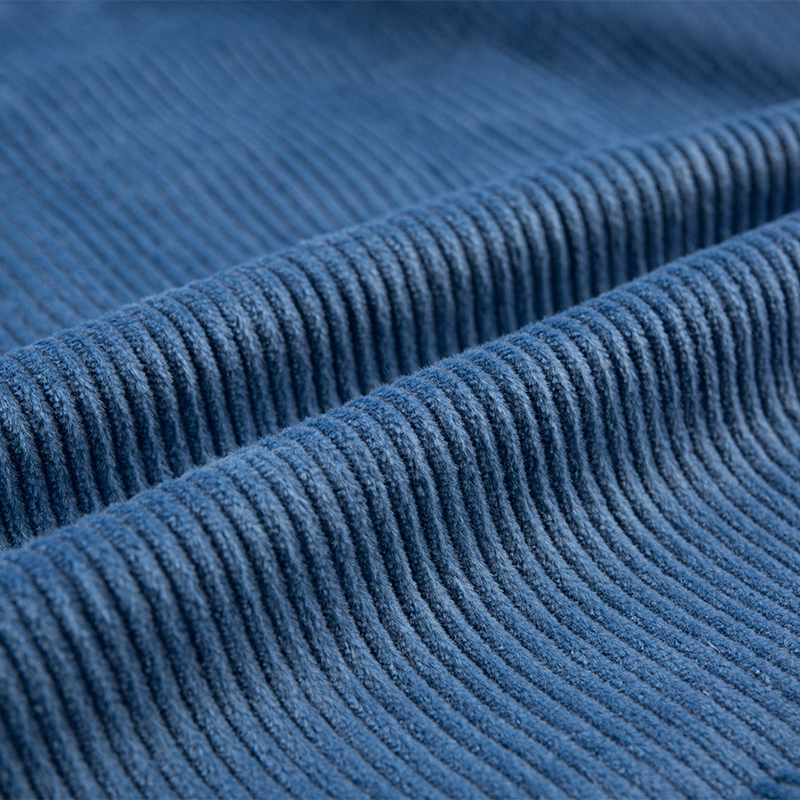
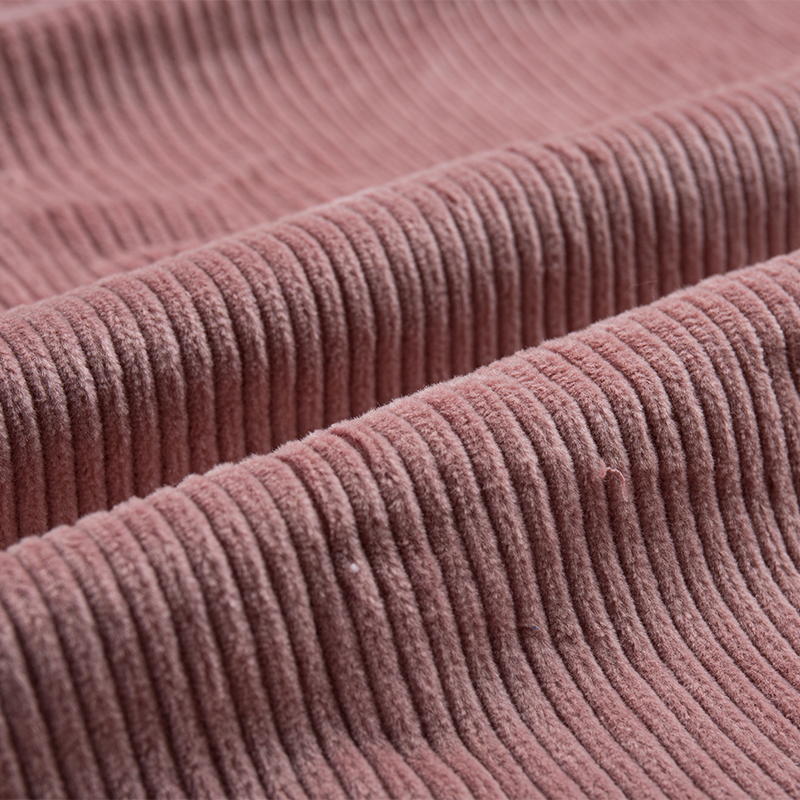
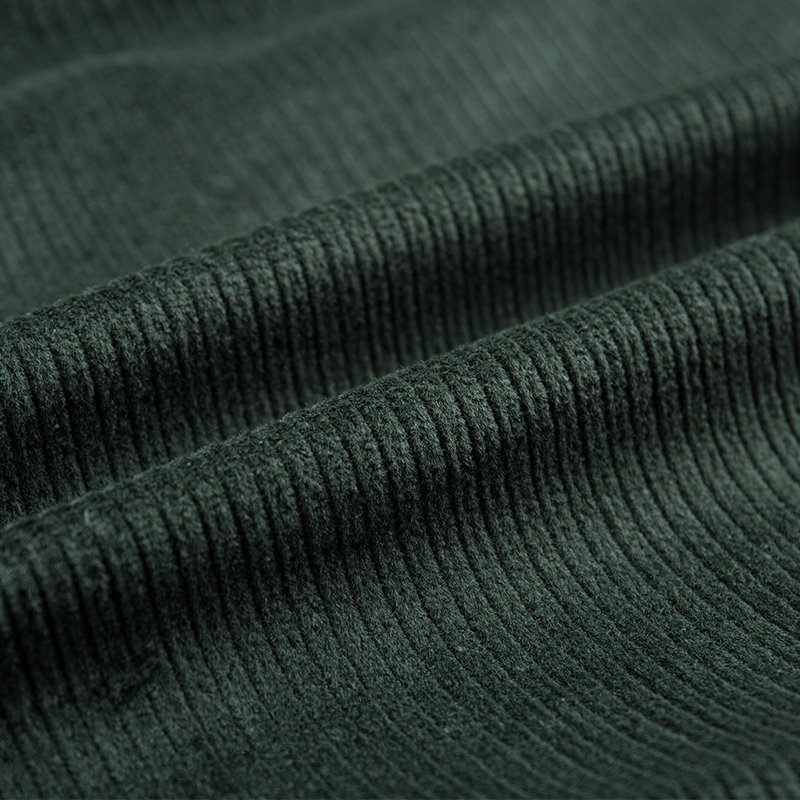
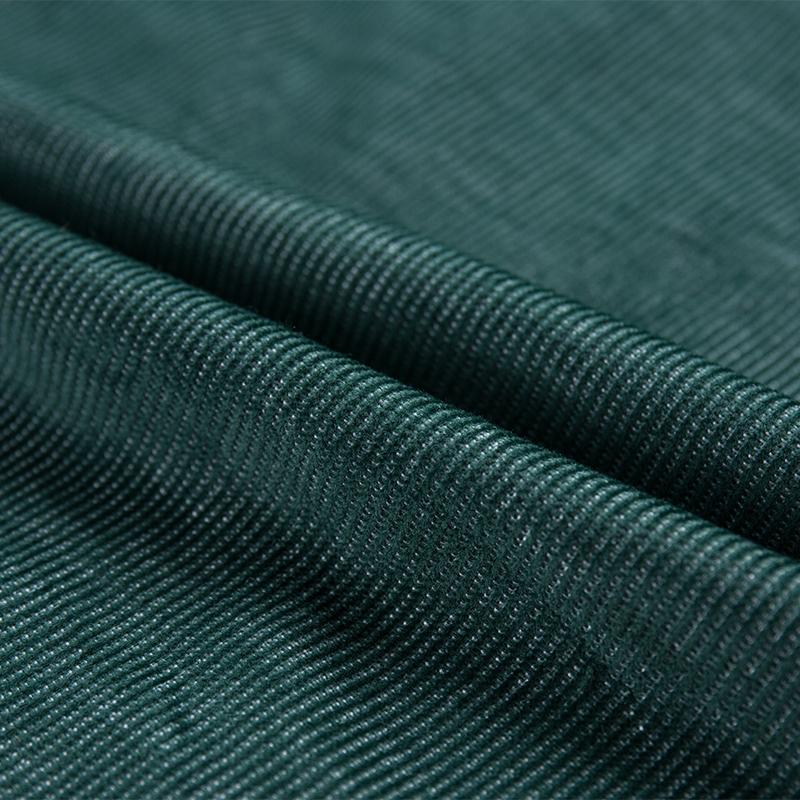
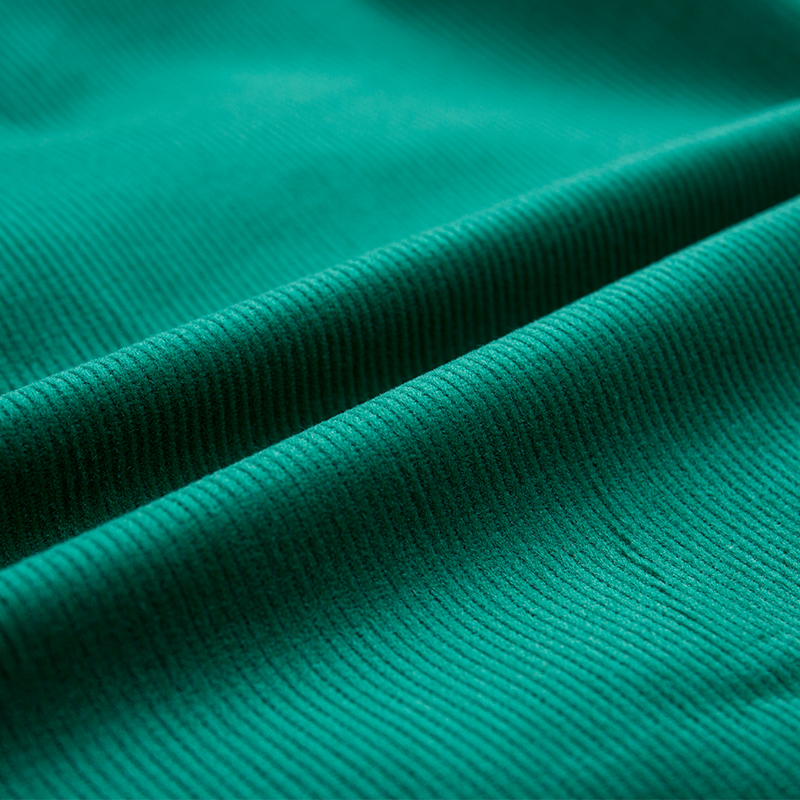
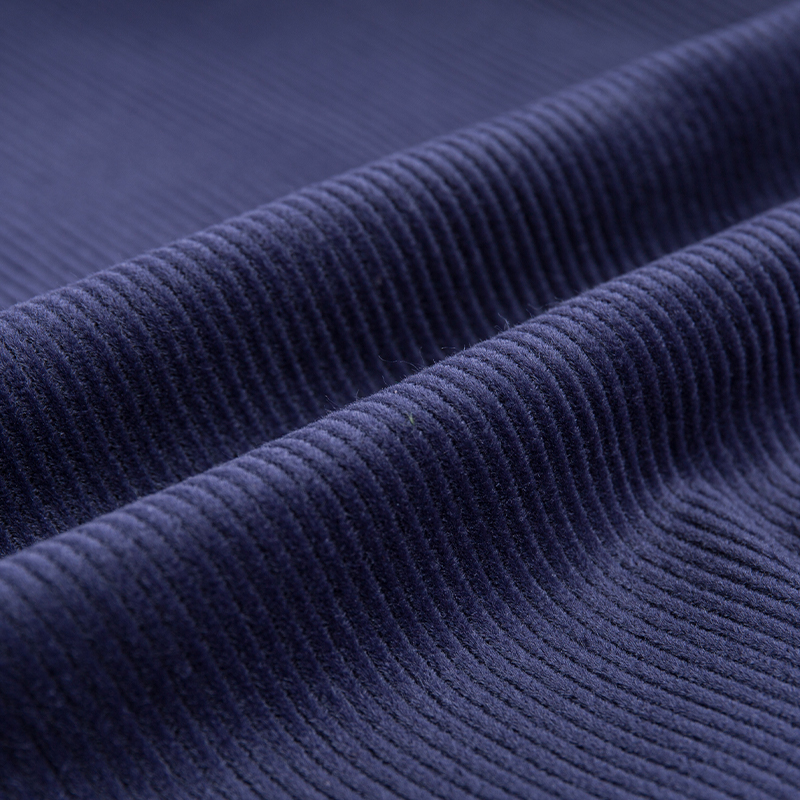
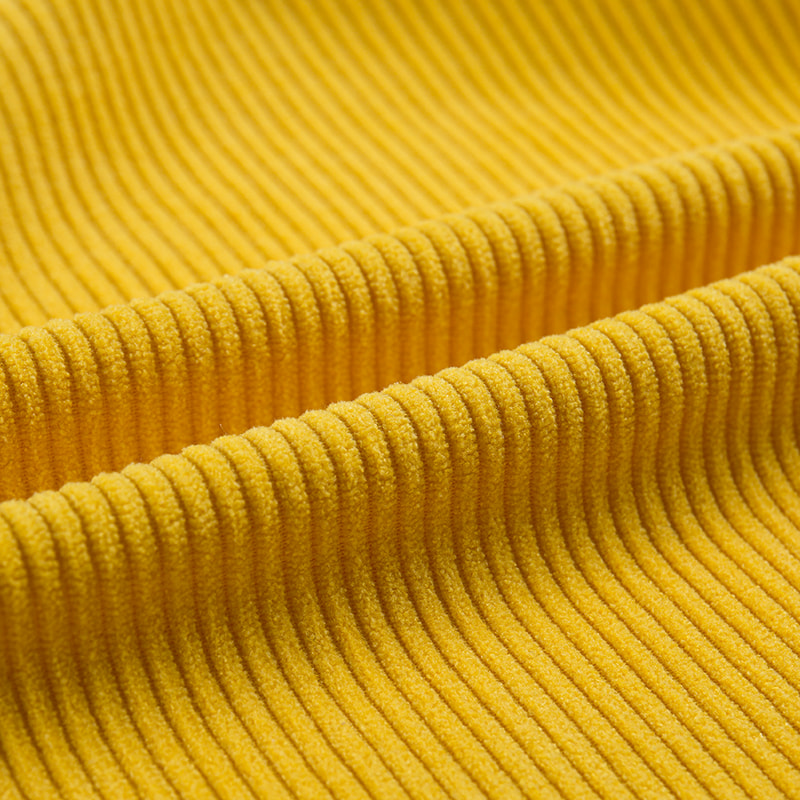
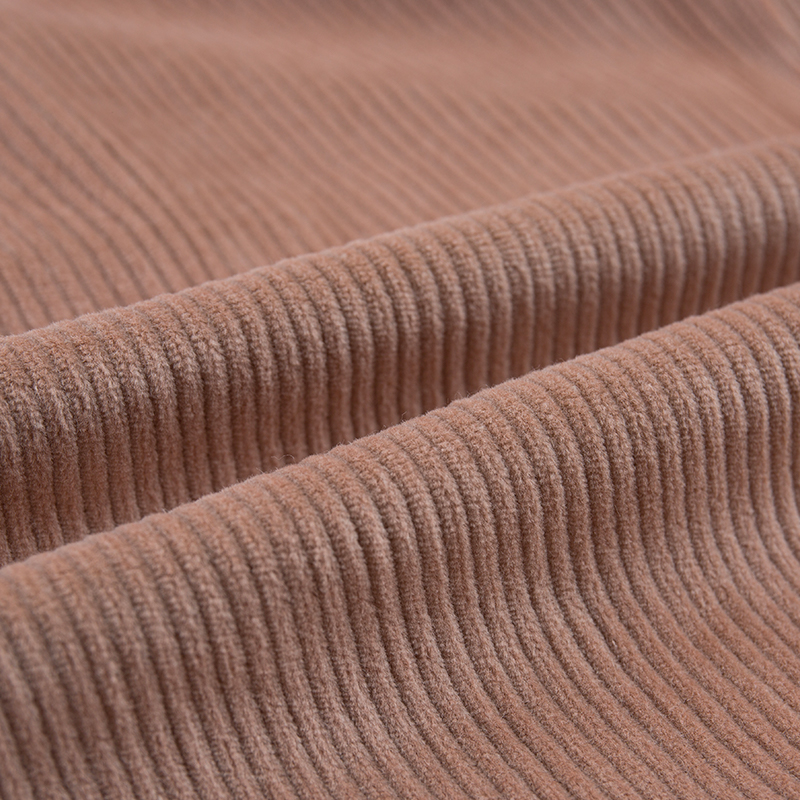
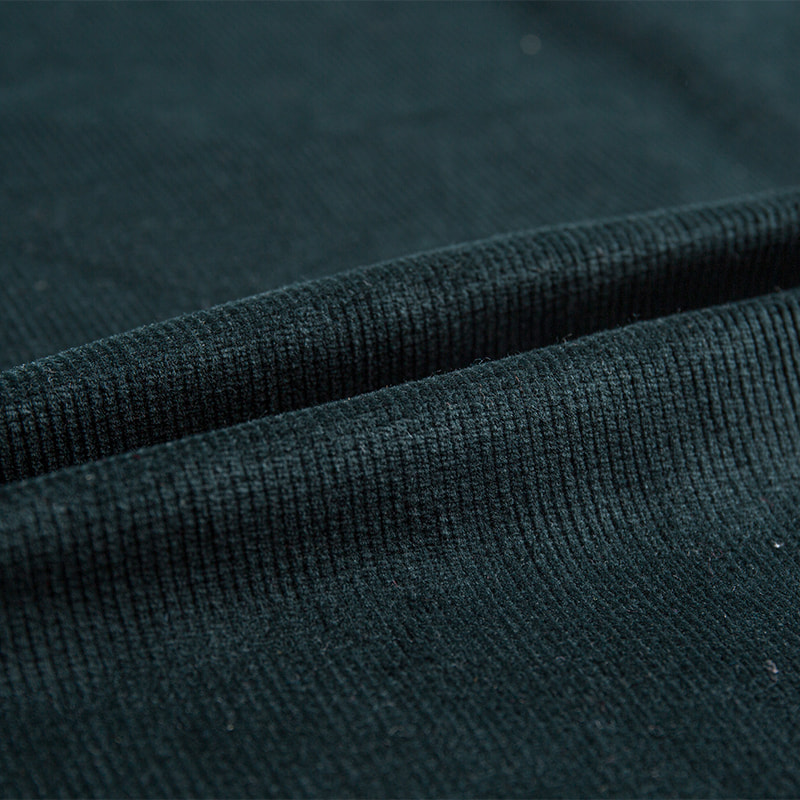
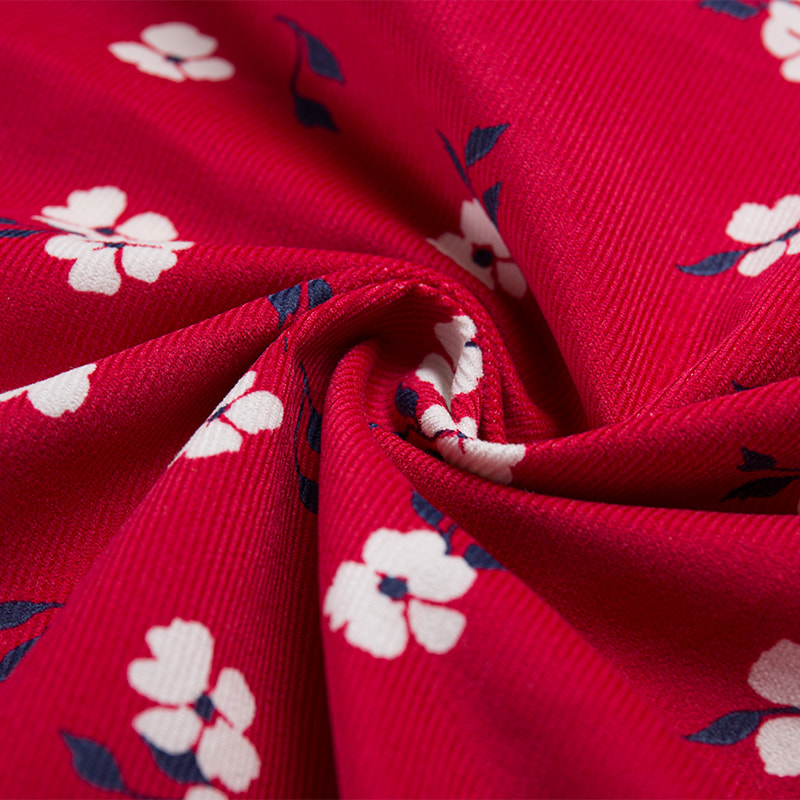
Corduroy fabric is a distinctive textile, instantly recognizable for its parallel vertical ribs that run along the fabric’s surface. These ribs are created through a special weaving and cutting process, making corduroy a textured material that offers both visual depth and tactile comfort. Most commonly made from cotton or cotton-blend fibers, corduroy fabric is known for its softness, durability, and excellent warmth retention. It is widely used in various applications, including clothing such as trousers, jackets, and shirts, as well as in home décor and upholstery, combining practicality with a timeless, classic aesthetic.
Understanding Corduroy Fabric
Corduroy fabric’s defining feature is its structure. The fabric consists of raised “wales” (the ribs that run vertically along the fabric), which give the material its characteristic texture. The spacing between these ribs can vary, leading to different types of corduroy fabrics. The types of corduroy, each with its unique characteristics, include Pinwale Cord Fabric, Broadwale Corduroy Fabric, Ribbed Corduroy Fabric, and Cotton Wale Corduroy Fabric.
While corduroy was historically woven from wool, modern versions are primarily made from cotton or a blend of cotton with synthetic fibers to increase durability and reduce the environmental footprint. Given its durability, softness, and distinctive appearance, corduroy remains a favored choice for both fashion and functional textiles.
Pinwale Cord Fabric
Pinwale Cord Fabric is characterized by its fine, narrow ribs, typically with fewer ribs per inch compared to other types of corduroy. This type of corduroy is smoother and more delicate to the touch than its wider-wale counterparts, making it ideal for lightweight garments such as shirts, blouses, and tailored jackets. The finer texture provides a sleek, almost velvety appearance, offering a refined finish to both casual and semi-formal wear.
One of the advantages of Pinwale Cord Fabric is its versatility. Due to its fine ribs, it can be used for a range of fashion garments and even home textiles like pillow covers and upholstery. Its smooth texture makes it ideal for more sophisticated applications where a luxurious finish is desired, without compromising on the practicality that corduroy fabric inherently offers.
Broadwale Corduroy Fabric
Broadwale Corduroy Fabric features larger, more pronounced ribs that give the fabric a bolder texture and appearance. With ribs spaced further apart, this type of corduroy is heavier and more durable than finer-wale options like Pinwale Cord Fabric. Broadwale corduroy is often used for heavier garments such as trousers, jackets, and outerwear. Its thicker texture also makes it an excellent choice for upholstery fabrics, where both durability and aesthetic appeal are important.
The strength of Broadwale Corduroy Fabric lies in its robust nature. It provides warmth and insulation, making it suitable for colder climates or as outer layers in fashion designs. Its sturdiness makes it a favorite in workwear and casual garments, where durability is key. It also has a timeless appeal that remains popular across generations, bridging both vintage and contemporary styles.
Ribbed Corduroy Fabric
Ribbed Corduroy Fabric is another name for corduroy that emphasizes the visible texture of the fabric. It refers to any corduroy fabric with prominent ribs that can vary in width, from narrow to broad. Ribbed corduroy can be made from both Pinwale Cord Fabric and Broadwale Corduroy Fabric, depending on the desired rib width and texture. The ribbing adds a tactile element to the fabric, making it more comfortable to wear and visually interesting.
The term “ribbed” essentially describes the fabric’s textured surface, making it a popular choice for a variety of applications beyond fashion. Ribbed Corduroy Fabric is often used in upholstery, where its durability and texture add depth to home décor. It is also a favored option for durable, casual clothing and accessories, such as vests, skirts, and hats.
Cotton Wale Corduroy Fabric
Cotton Wale Corduroy Fabric is a specific type of corduroy that is made entirely from cotton fibers. The term “wale” refers to the fabric’s ribbing pattern, which can range from fine to broad, depending on the type of corduroy being produced. Cotton Wale Corduroy Fabric is valued for its comfort, breathability, and versatility. It’s widely used in both fashion and home textiles due to its natural fiber content, which makes it eco-friendly and biodegradable.
The appeal of Cotton Wale Corduroy Fabric lies in its ability to combine both soft comfort and lasting durability. As a natural fiber, cotton corduroy has the advantage of being breathable, making it suitable for year-round wear. Furthermore, cotton corduroy fabrics are easily washable, which adds to their practicality in both casual wear and home furnishing applications.
Comparison of Corduroy Types
To better understand the differences and applications of each type of corduroy fabric, the following table outlines the main characteristics and typical uses of each variant.
| Type of Corduroy |
Rib Width |
Texture |
Typical Uses |
Durability |
| Pinwale Cord Fabric |
Narrow |
Smooth, fine |
Shirts, blouses, light jackets, home textiles |
Moderate |
| Broadwale Corduroy Fabric |
Wide |
Bold, thick |
Trousers, jackets, outerwear, upholstery |
High |
| Ribbed Corduroy Fabric |
Varies |
Textured |
Casual clothing, vests, skirts, upholstery |
Moderate to High |
| Cotton Wale Corduroy Fabric |
Varies |
Soft, breathable |
Casual wear, home textiles, eco-friendly fashion |
High |
Applications of Corduroy Fabric
Corduroy fabric is a versatile textile, ideal for a wide range of applications. It is commonly used in fashion, including pants, skirts, jackets, and shirts, particularly in cooler weather. The durable nature of corduroy makes it suitable for workwear and casual clothing, while its structured texture adds a unique visual appeal.
In addition to clothing, corduroy fabric is often used in home décor applications such as upholstery, drapes, and cushions. The texture of corduroy provides both aesthetic appeal and durability, making it an ideal choice for creating comfortable, stylish living spaces.
Sustainable Practices in Corduroy Production
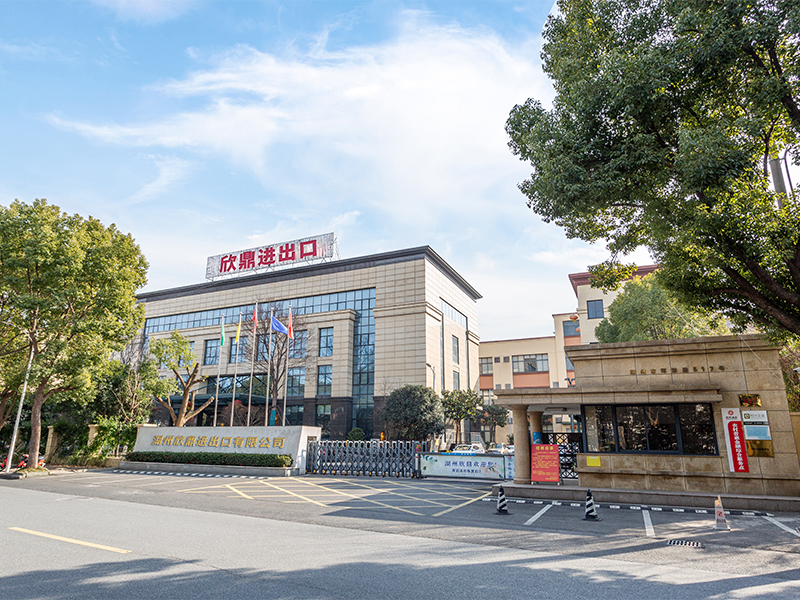
At HUZHOU XINDING IMPORT & EXPORT CO., LTD., sustainability plays a crucial role in our production processes. We are committed to offering eco-friendly fabrics such as organic cotton corduroy, which reduces the environmental impact compared to conventional cotton production. By focusing on sustainability, we ensure that our products, including corduroy, are produced with the environment in mind, using responsible practices that support a greener future.
Our commitment to sustainability aligns with the growing demand for natural fibers, which are biodegradable and have a smaller environmental footprint. With an emphasis on traceable supply chains and responsible sourcing, XINDING ensures that our corduroy fabrics not only meet the highest quality standards but also reflect a dedication to protecting our planet.
Frequently Asked Questions (FAQ)
1. What is the difference between pinwale and broadwale corduroy?
The main difference between pinwale and broadwale corduroy lies in the width of the ribs. Pinwale corduroy features fine, narrow ribs, giving it a smoother texture, while broadwale corduroy has larger, more pronounced ribs, making it a heavier, more durable fabric.
2. Can corduroy be used for both fashion and home textiles?
Yes, corduroy is versatile and can be used for both fashion items, such as trousers, jackets, and shirts, as well as for home textiles like cushions, upholstery, and curtains. The fabric’s durability and distinctive texture make it suitable for various applications.
3. Is cotton wale corduroy fabric eco-friendly?
Yes, cotton wale corduroy fabric is eco-friendly, especially when made from organic cotton. This type of corduroy is biodegradable and produced with environmentally responsible practices, making it a sustainable choice for consumers who prioritize eco-conscious materials.
4. How do I care for corduroy fabric?
Corduroy should be washed according to the care instructions on the garment or fabric. Typically, it is recommended to wash corduroy fabrics in cold water and avoid high heat when drying to preserve the fabric’s texture and prevent shrinking.
5. What are the main benefits of using corduroy fabric?
The main benefits of corduroy fabric include its softness, warmth retention, and durability. It also offers a unique textured look that adds visual depth to clothing and home décor, making it both functional and stylish.
In conclusion, corduroy fabric remains a popular choice for its versatility, comfort, and timeless appeal. Whether in Pinwale Cord Fabric, Broadwale Corduroy Fabric, or other variations like Ribbed Corduroy Fabric and Cotton Wale Corduroy Fabric, this fabric offers a perfect balance between practicality and aesthetic value. HUZHOU XINDING IMPORT & EXPORT CO., LTD. continues to provide high-quality corduroy fabrics to meet the diverse needs of our international clients, focusing on sustainability and responsible production processes.


 English
 Español
 عربى
عربى