2026-09-03
Content
If you have ever held two smooth, lustrous fabric samples side by side and wondered whether they are satin or taffeta, you are not alone. Both fabrics feel polished and look refined, yet they behave in completely different ways on the sewing table and on the finished garment. Satin drapes softly and follows the movement of the wearer. Taffeta stays crisp and holds a sculpted shape. The real difference is not which one is better. It is which one matches your design intention, comfort needs, and production goals.
Satin is a weave structure, not a fiber. In satin weaving, the warp threads float over four or more weft threads before one thread locks them in place. These long floats create a smooth, glossy face on one side while the reverse side stays dull and matte. Because the floats are long, satin has a supple hand and a fluid drape that responds easily to movement. The fiber underneath the weave changes the result. Silk satin feels luxurious and cool, polyester satin is durable and economical, and cotton or viscose satin sits pleasant on the skin and keeps the fabric breathable.
Designers turn to satin for blouses, slip dresses, skirts, evening wear, and loungewear when they want the garment to skim the body softly. The trade-off is that the floats can snag more easily than a tighter weave, and heavy polyester satin may retain warmth in summer styles. For apparel lines that need a breathable option with a gentle luster, a soft touch cotton satin fabric designed for blouses and dresses works well. It combines the classic satin surface with the comfort of cotton.
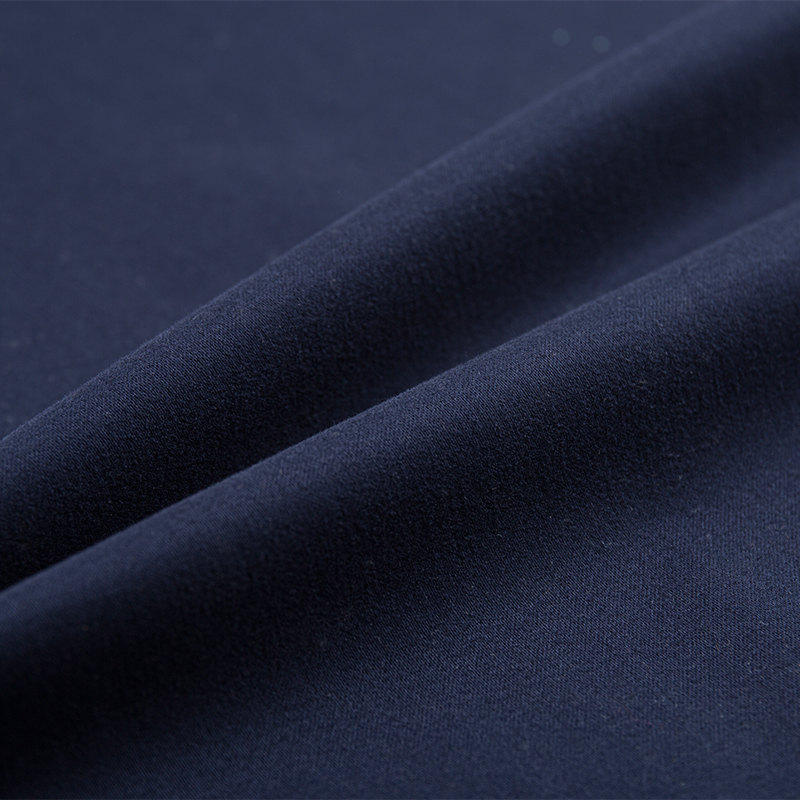 Soft Touch Cotton Satin Fabric for Breathable Blouses and DressesThis cotton-blend satin combines a smooth, lustrous surface with cotton's breathability, making it a comfortable choice for summer garments and all-day wear while retaining an elegant drape.View Product →
Taffeta is a plain weave, or tabby weave, where each warp thread crosses over and under every weft thread. The intersection is tight and even, which makes the fabric lightweight, smooth, and crisp. Taffeta has a subtle sheen and, when touched or moved, produces a distinctive rustling sound that explains why it is a favorite for formal garment interiors and stage costumes. Historical silk taffeta is still prized, but today polyester, nylon, viscose, and cotton blends make it practical and affordable for everyday production.
Unlike satin, taffeta does not give way easily. It holds a crease, supports pleats, and can maintain the volume of an A-line skirt, ballgown, or structured jacket. This quality makes it a strategic choice for silhouettes that need a defined shape. Taffeta also resists stretching, feels cool to the touch, and handles repeated wear well. The main caution is that sharp, long folds may leave crease lines on the fabric, so storing taffeta garments properly and avoiding aggressive pressing is important. In a woven fabric catalog, taffeta sits close to poplin in structure, because both are plain weaves, while satin sits in a separate family governed by float construction.
The properties above translate into a clear set of distinctions for garment developers. The table below summarizes the differences that have the largest impact on pattern making, finishing, and final use.
Satin is a weave. Taffeta is a weave. The fiber changes the comfort, but the weave changes the behavior.
| Feature | Satin | Taffeta |
|---|---|---|
| Weave structure | Float weave with long warp floats | Tight plain weave |
| Surface luster | High gloss on the face, dull reverse | Subtle sheen, mostly matte |
| Drape and hand | Soft, fluid, and flexible | Crisp, resistant, body-building |
| Shape retention | Limited in structured silhouettes | Excellent for pleats and volume |
| Breathability | Fiber dependent; polyester traps warmth | Lightweight and generally airy |
| Common garment uses | Blouses, skirts, slip dresses, loungewear | Gowns, structured skirts, formal jackets |
| Durability | Snag prone when handled roughly | Tear resistant and shape stable |
| Care in production | Gentle handling, soft seams, low heat pressing | Sharp creases may set in; avoid long folding |
The practical rule is simple. Choose satin when the fabric should flow with the body, and choose taffeta when the fabric should hold the body in a designed silhouette. This single question will guide most initial fabric selections and prevent expensive sampling mistakes.
Beyond the weave, buyers should anchor the decision in the end garment. Think about the intended style, wearing season, and handling requirements.
Consider the end-use climate as well. If your products ship to warm markets, taffeta's airy structure and cotton or viscose satin will outperform heavy polyester satin. If the garments are for evening events in air-conditioned venues, the luster and richness of polyester satin are attractive and cost-effective.
If your line includes multiple apparel categories, a versatile satin program covers more daywear and dress options. A wrinkle-resistant silky polyester satin fabric is a production-friendly workhorse for dresses, blouses, and shirts that need to travel well and recover from handling. For fashion-forward prints, a high color fastness antishrink digital printed satin fabric gives you vivid patterns while protecting against dye migration and shrinkage.
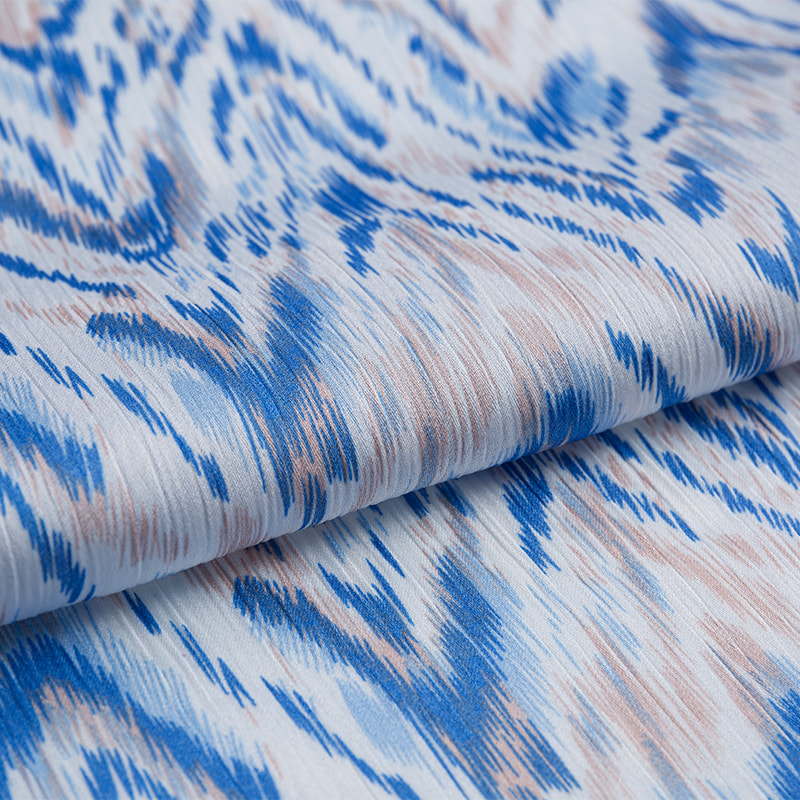 High Color Fastness Anti-Shrink Digital Printed Satin FabricDigital printing delivers vivid, colorfast patterns, while anti-shrink treatment ensures dimensional stability, making this satin suitable for apparel and home textiles that require lasting appearance.View Product →
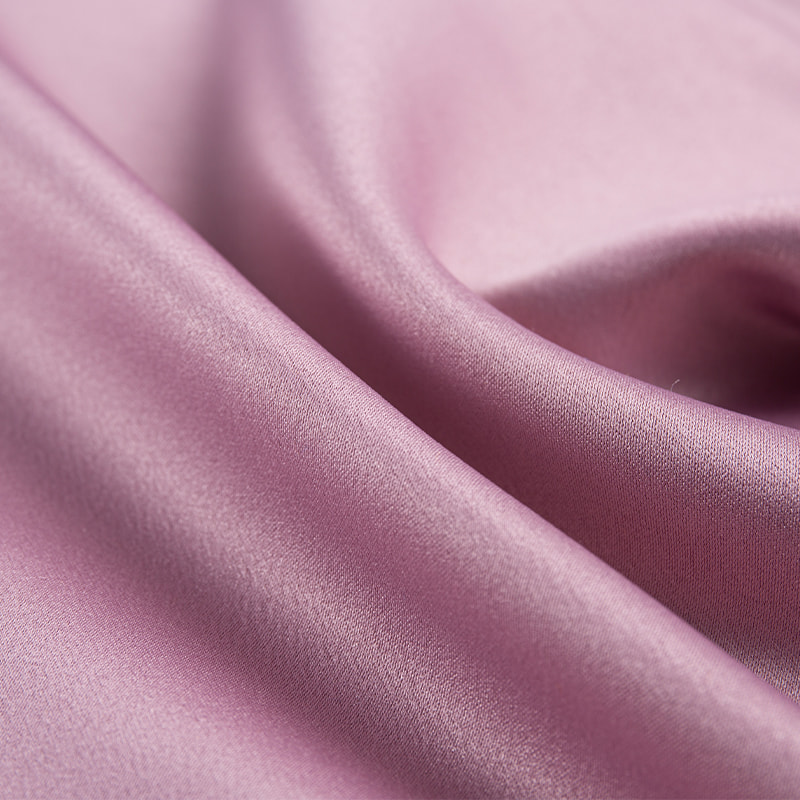 Wrinkle-Resistant Silky Polyester Satin Fabric for ApparelEngineered with advanced wrinkle resistance, this polyester satin keeps garments smooth after wear and washing, offering a silky sheen and durable performance for dressy and everyday apparel.View Product →
For a deeper look at fabric selection, read our guide on how to choose the right satin fabric for your apparel line. It covers the interaction between fiber, weave, and finish in a practical sourcing context. If you are comparing viscose satin with other plain weave options, the technical advantages of viscose satin are worth understanding before you commit to a new product plan.
In most cases, yes. Taffeta is a tightly woven plain weave, so it resists snagging and holds up well to repeated wear. Satin has long float threads that can catch on rough surfaces and pull, so satin needs more careful use and cutting practice in production.
They suit different silhouettes. A fluid sheath dress calls for satin, while a ballgown or structured skirt creates a better shape in taffeta. For mixed designs, some brands use satin for the inner lining and taffeta for the outer shell, but that is an intentional two-fabric construction rather than a substitute choice.
It depends on the fiber. Polyester satin tends to trap warmth, while cotton, viscose, and Tencel satin allow more air movement. If breathability matters for your market, choose a cotton or viscose satin over a dense polyester version.
Both have a place. Satin is ideal for smooth, minimalist sheaths and soft cowl necklines. Taffeta is better for full ballgowns, princess skirts, and designs that need architectural volume. Many bridal lines actually carry both to cover different customer preferences.
When sourcing satin or taffeta, keep the final garment silhouette front and center. Satin gives you softness, glow, and fluid movement. Taffeta gives you crispness, structure, and staying power. By defining whether your design should move or hold shape, you can make a confident fabric decision for dresses, blouses, and formalwear.
If your next collection needs a dependable satin base, explore the woven satin range from our product catalog to find the surface, weight, and composition that fit your price point and care requirements.
Related Products
Get in Touch
We're here for you when you need us.
Contact Information
Add:
No. 517 Huanzhu Road, High-Tech Zone, Wuxing District, Huzhou City, Zhejiang Province, China.
E-mail:
Product Category
QR Code
Join our community and stay connected
 English
 Español
 عربى
عربى