2026-09-21
Content
Choosing the best fabric for suits is not a one-size-fits-all answer. The right material depends on how the suit will be worn, the climate it is made for, and how much care you want to invest. After comparing hundreds of woven fabric options for apparel brands and garment factories, we can give you a direct answer: for business wear, breathable natural blends with a structured weave perform best; for summer, linen and linen-viscose blends win on comfort; for all-season versatility and easy care, Tencel blends are the strongest value.
Five factors decide whether a fabric will make a good suit. These are the same criteria we use when developing fabric for clients in Europe and the United States.
Seasonality is the first filter. Summer suits need fabric that lets air pass through, while winter suits need insulation and a bit of weight. Spring and fall sit in between.
For hot weather, choose pure linen or a linen blend from our range. For mid-season, a wrinkle-resistant Tencel fabric for blazers will carry you through both warm and cool days. Winter calls for a heavier cotton twill or a dense blend with good structure.
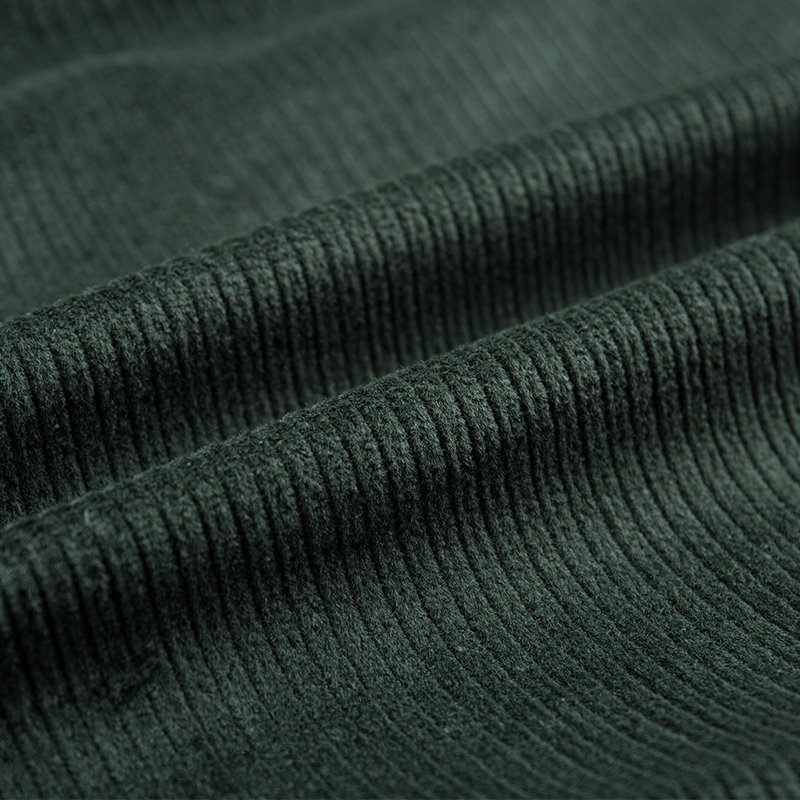
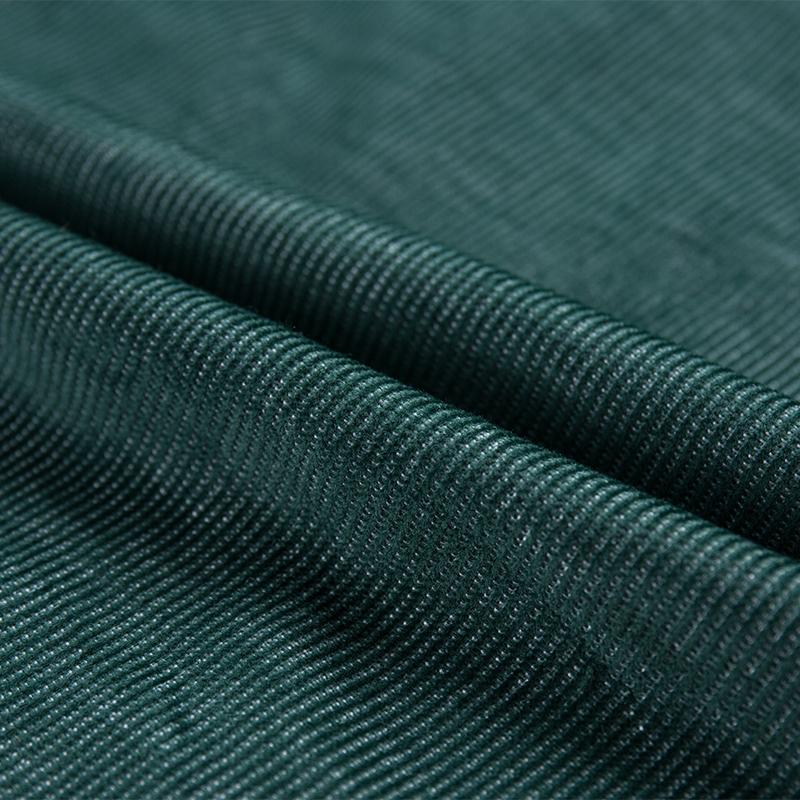
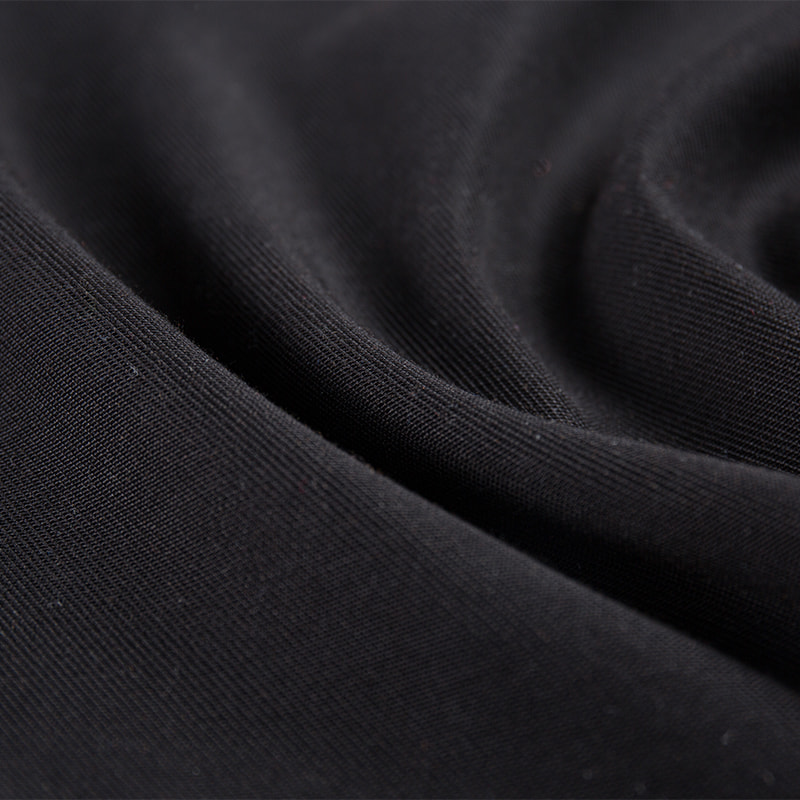 Wrinkle-Resistant Tencel Fabric for Blazers and SuitsThis Tencel fabric offers natural luster and breathability, resisting wrinkles to keep formal and semi-formal garments neat. It's ideal for spring and autumn tailoring, ensuring comfort and a polished look.View Product →
| Season | Recommended fabric | Weight (GSM) | Key benefit |
|---|---|---|---|
| Summer | Linen / linen-viscose | 150-200 | Breathable, moisture wicking |
| Spring/Fall | Tencel twill | 200-260 | Temperature regulating, wrinkle resistant |
| Winter | Heavy cotton twill | 280-320 | Insulating, structured |
This table is a good starting point, but real selection also depends on the intended garment silhouette and your local humidity.
Wool has long been the default for tailored suits. It breathes, recovers its shape, and gives a polished drape. However, wool is costly, requires professional cleaning, and can feel heavy in humid climates. Modern blends with Tencel or cotton can replicate much of that performance at a lower price and with easier care.
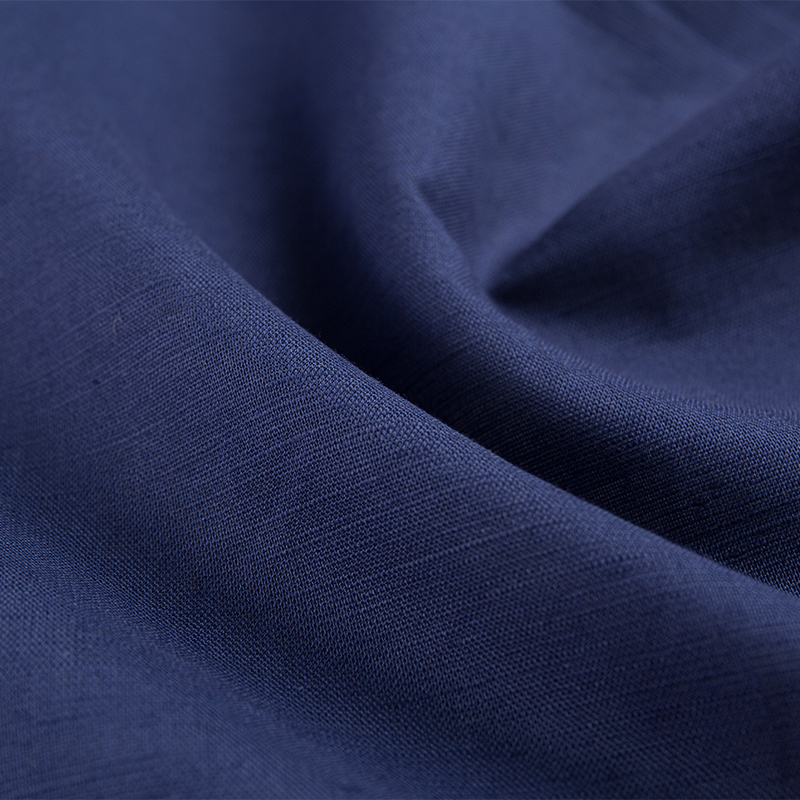
Linen is unbeatable for heat. It is breathable, dries quickly, and has a natural texture that suits relaxed wedding and resort suits. A linen-viscose blend reduces creasing while keeping the cooling hand feel. That is why we offer a lightweight breathable linen-viscose fabric for brands that need a summer suit with a better drape.
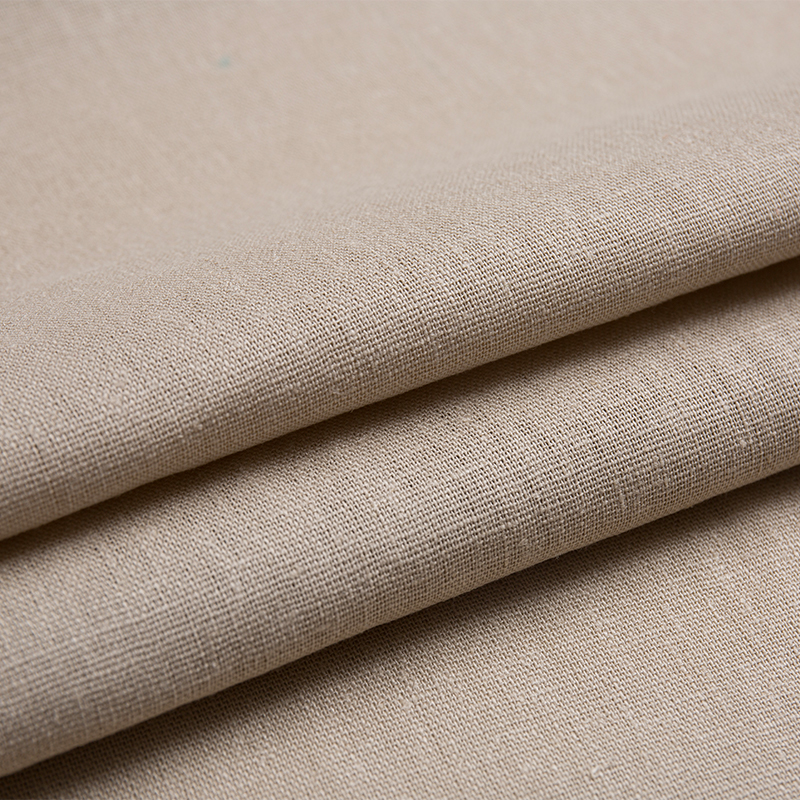 Lightweight Linen-Viscose Blend Fabric for Summer GarmentsThis blend combines linen's cooling breathability with viscose's softness and drape, making it perfect for summer suits and dresses. It reduces creasing and withstands warm, humid climates.View Product →
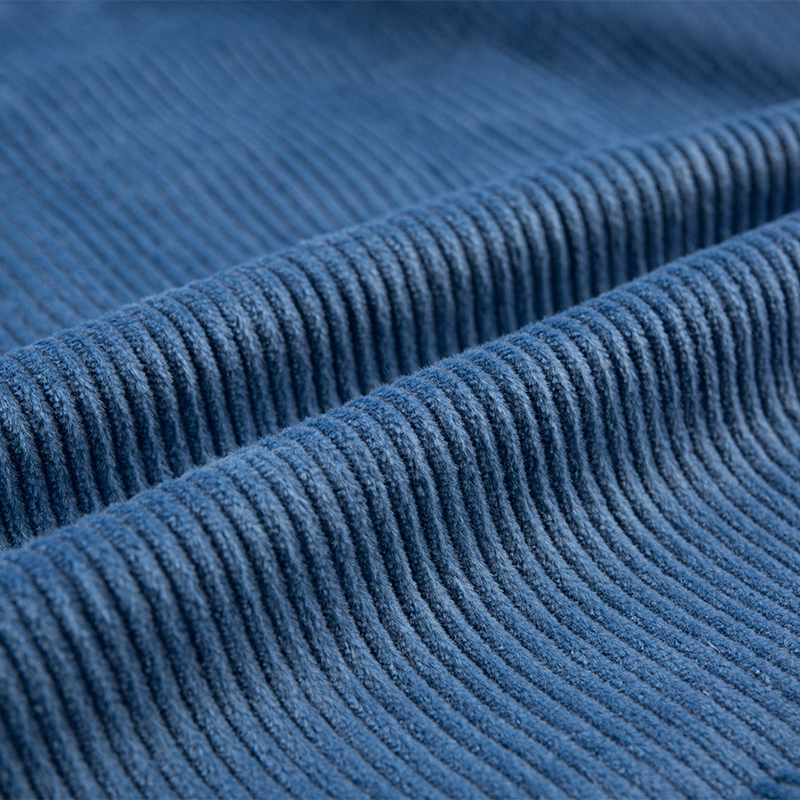
Cotton is a practical middle ground. It is soft, versatile, and machine washable. A slightly heavier cotton twill gives a suit enough structure for business casual settings. For casual suits, an eco-friendly wrinkle-resistant twill drill fabric provides durability and comfortable stretch.
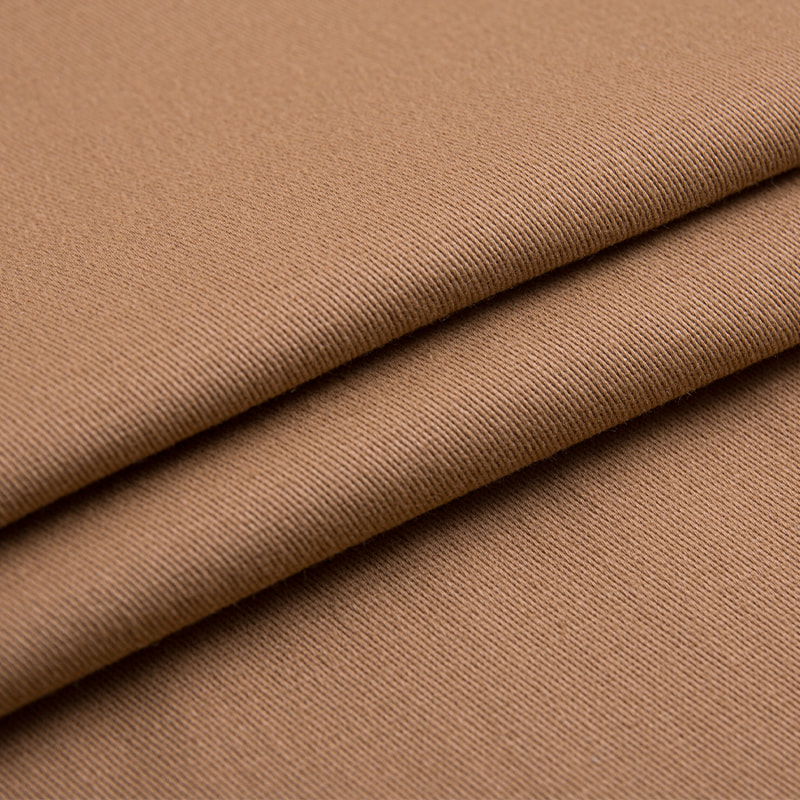 Eco-Friendly Wrinkle-Resistant Twill Drill FabricA durable, sustainable twill fabric that resists wrinkles and wear, suitable for uniforms and casual trousers. Its recycled materials and easy-care properties support long-lasting, responsible clothing.View Product →
Tencel is a sustainable fiber derived from eucalyptus. It has a smooth hand feel, moisture-wicking properties, and natural resistance to wrinkles. That is why Tencel suits work well for travel and daily office wear. We covered this in more depth in our article on Tencel lyocell sustainability.
Business meetings call for a structured look. A medium-weight twill or a Tencel blend in a tight weave keeps your suit neat from morning to evening. Weddings and evening events give you more freedom: satin or jacquard weaves add a touch of shine without becoming too flashy. For outdoor events in summer, a breathable plain-weave linen-viscose keeps you composed. For daily wear, a durable twill drill will shrug off repeated wearing and cleaning.
If you are a brand owner or a garment factory, start with a clear spec sheet. Define the target weight, weave, fiber blend, and performance standards before you contact a supplier. Ask for a pre-production sample and test it for shrinkage, color fastness, and seam strength. At Haining Xinding, we run a full production chain from dyeing and printing to finishing, so we can adjust hand feel, drape, and moisture management to match your design.
Also ask about sustainability. Many buyers now request eco-friendly options such as recycled blends and low-impact dyeing. Our laboratory testing room and finishing workshop let us verify that every batch meets the expected performance before shipment.
Linen is the best summer fabric because it breathes and wicks moisture. Linen-viscose blends improve drape and reduce creasing, making them a practical choice for light summer jackets.
Yes. Tencel has a smooth hand, temperature-regulating properties, and natural wrinkle resistance. It is a solid alternative for all-season suits and holds up well in office environments.
Absolutely. A medium-weight cotton twill offers enough structure for a business-casual or casual suit. It is comfortable, machine washable, and more affordable than wool.
For year-round business wear, a weight of 220-260 GSM works well. It gives the suit enough body to drape neatly without feeling heavy.
The best fabric for suits is not a single material. It is the one that matches your climate, wearing habits, and budget. For summer, lean on linen or linen-viscose. For all-season wear, Tencel twill offers comfort and easy care. For casual styles, a durable twill drill is a practical choice. If you are sourcing for a production run, reach out to our team and request samples. We can help you find the exact blend that fits your design and your customers' expectations.
Related Products
Get in Touch
We're here for you when you need us.
Contact Information
Add:
No. 517 Huanzhu Road, High-Tech Zone, Wuxing District, Huzhou City, Zhejiang Province, China.
E-mail:
Product Category
QR Code
Join our community and stay connected
 English
 Español
 عربى
عربى