English
 Español
 عربى
عربى

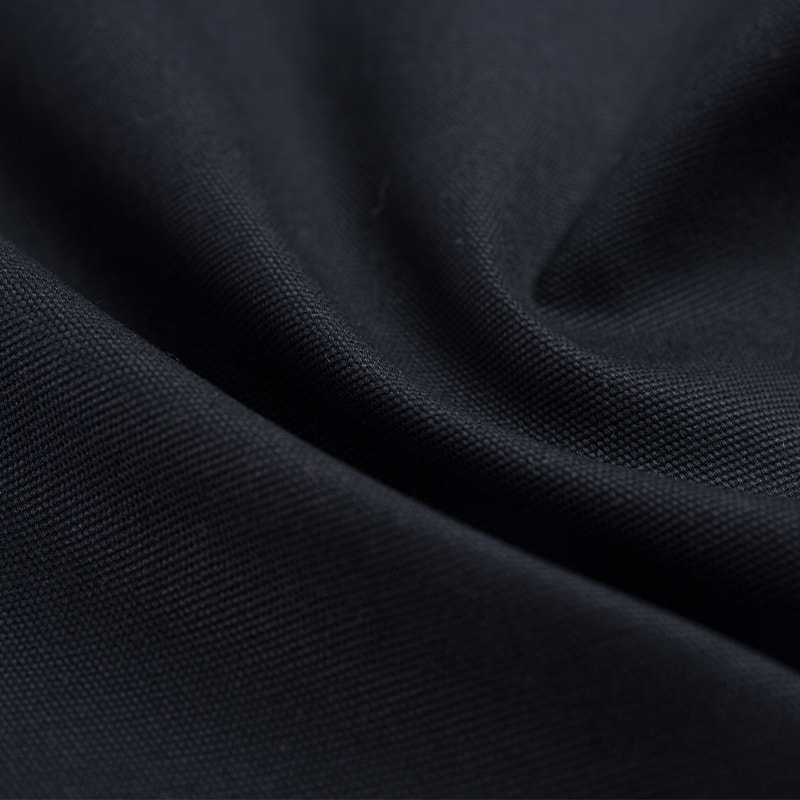
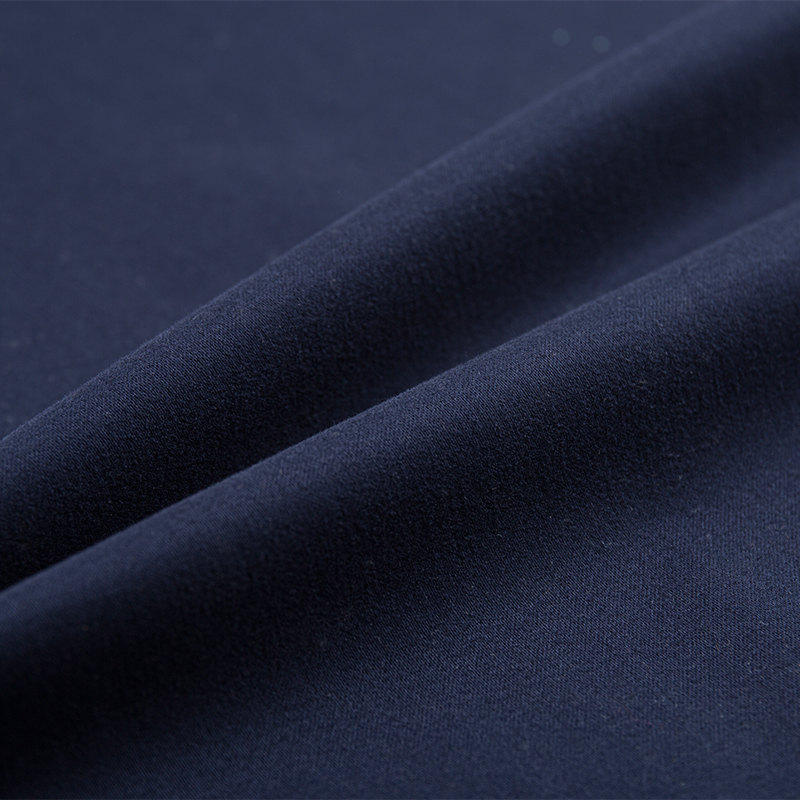
The textile industry stands at a critical juncture where the demand for soft, versatile, and affordable fabrics often clashes with ecological responsibility. For decades, conventional viscose has served as a go-to cellulosic fiber, but the hidden environmental cost of its production has led innovators to seek cleaner alternatives. Today, Solid Dyed Tencel Fabric represents a transformative leap forward. Unlike traditional viscose, which relies on a harsh chemical spinning process, Tencel (generically known as Lyocell) utilizes a closed-loop system that recycles almost all solvents, minimizes water contamination, and preserves the structural integrity of the wood pulp. This shift is not merely a marketing narrative; it is a tangible, data-backed evolution in textile engineering that redefines how we perceive sustainable luxury. Understanding the technical divergence between these fibers illuminates why solid-dyed Lyocell offers a superior, enduring, and environmentally conscious solution for modern applications.
The Chemical Divide: Closed-Loop Solvent Recovery in Lyocell Manufacturing
The fundamental distinction between traditional viscose and Lyocell resides not in the raw material—both originate from wood cellulose—but in the chemistry of fiber formation. Traditional viscose production involves derivatizing cellulose with carbon disulfide to form a soluble xanthate, a process that is inherently polluting and difficult to contain fully. In contrast, Lyocell production employs a physical dissolution process using N-methylmorpholine N-oxide (NMMO), a non-toxic amine oxide that acts as a direct solvent. This divergence in chemistry initiates a cascade of environmental and qualitative benefits that are especially pronounced in solid-dyed textiles.
Understanding the Viscose Process: A Legacy of Pollution
In the viscose process, wood pulp is steeped in sodium hydroxide and then treated with carbon disulfide. The resulting chemical reaction, xanthation, creates a viscose solution that is later extruded into an acid bath containing sulfuric acid, sodium sulfate, and zinc sulfate. During regeneration, the cellulose is precipitated, releasing hydrogen sulfide, carbon disulfide, and heavy metal residues. While some factories implement scrubbers and recovery systems, the complexity of breakdown products often prevents complete capture. Wastewater streams carrying acidic effluents and zinc ions require extensive treatment, and in regions with lax regulation, they frequently bypass neutralization protocols entirely, contaminating groundwater and soil. For solid-dyed fabrics, the presence of residual sulfur compounds can also interfere with dye uptake, leading to uneven coloration and the need for harsh pre-treatments that further strain wastewater systems.
The NMMO Technology: Recovery Rates and Solvent Purity
Lyocell’s supremacy emerges through the NMMO solvent cycle. The amine oxide solvent dissolves cellulose physically without forming a derivative, meaning the cellulose molecule retains its natural degree of polymerization. After extrusion through spinnerets into a dilute aqueous NMMO coagulation bath, the solvent is washed out of the fibers and purified. Modern production facilities achieve a solvent recovery rate exceeding 99.5%. This is not an aspirational figure; it is the operational baseline for high-fidelity Lyocell production monitored continuously by inline NIR spectroscopy. The purified NMMO is returned to the dissolution stage, creating a nearly hermetic loop. The effluent leaving the site is essentially dilute water with trace organic loads, dramatically reducing biochemical oxygen demand (BOD) and chemical oxygen demand (COD) compared to viscose discharge. For a solid dyed Tencel fabric, this purity translates into a chemically stable fiber surface, devoid of residual sulfur or metallic contaminants, ready to form strong covalent or ionic bonds with dyes without interference.
Water Stewardship and Effluent Quality in Solid Dyed Fiber Production
Water consumption and the subsequent pollution of freshwater bodies rank among the most acute criticisms of the textile industry. While cotton is often cited for agricultural irrigation, the wet-processing stages of man-made cellulosics—from spinning to finishing—consume vast quantities of process water. Lyocell’s closed-loop methodology inherently curtails the volume of wastewater requiring intensive treatment, positioning solid dyed Tencel as a champion of water stewardship.
Quantifying Water Usage: From Wood Pulp to Woven Textile
Independent lifecycle assessments consistently demonstrate the resource efficiency gap. The production of one kilogram of conventional viscose staple fiber typically consumes between 500 and 700 liters of process water, heavily allocated to the extensive washing stages required to remove residual sulfur compounds and neutralize acid. Lyocell, due to the efficiency of the NMMO extraction and recirculation, reduces direct process water consumption significantly, often by 30% to 50% per kilogram of fiber. Furthermore, when integrating solid dyeing into the Lyocell manufacturing stream, opportunities exist for dope dyeing (spun-dyeing) or continuous dyeing processes that circumvent standalone batch scouring and bleaching. In a dope-dyed solid Tencel variant, pigments are introduced directly into the spinning dope before extrusion, eliminating thousands of liters of water typically needed for post-production piece dyeing. The water footprint shrinks radically, a critical advantage for regions facing water stress.
Eutrophication and Biodegradability: Preserving Aquatic Integrity
Effluent from traditional viscose plants carries high sulfate loads and zinc concentrations, potent triggers of eutrophication that choke aquatic ecosystems. Lyocell’s discharge profile is starkly different; the recovered NMMO is not persistent in the environment and exhibits low ecotoxicity. In the rare event of trace solvent release, NMMO biodegrades under aerobic conditions without bioaccumulating. For solid dyed Tencel fabrics, the end-of-life scenario also deserves scrutiny. Both viscose and Lyocell are cellulosic and biodegradable in marine and soil environments. However, Lyocell’s cleaner production ensures the fabric does not carry hidden burdens of sulfurous metals from processing aids into the composting or landfilling environment. When incineration is required for energy recovery, solid Lyocell produces fewer hazardous volatile organic compounds (VOCs) compared to viscose blends that may still off-gas residual carbon disulfide derivatives trapped in the amorphous regions of the fiber.
Fiber Morphology, Durability, and the Longevity of Solid Dye Application
Sustainability is not solely a function of production methods; it is equally defined by product lifespan. A fabric that degrades, pills, or loses color after limited washing cycles demands replacement, increasing resource consumption over time. Solid dyed Tencel fabric excels here due to its distinctive nanofibrillar structure, which instills mechanical strength and superior dye fixation, directly extending the usable life of garments and home textiles.
Crystalline Orientation and Wet Strength
Traditional viscose suffers from a significant loss of tensile strength when wet, often retaining only 45% to 55% of its dry strength. This vulnerability arises from the low degree of polymerization and the amorphous, loosely packed crystalline structure formed during acid regeneration. Tencel Lyocell, conversely, undergoes a high degree of crystallinity and longitudinal orientation during the air-gap wet spinning process. The fibrils align along the fiber axis, producing a dense, highly oriented composite structure. Consequently, Lyocell retains approximately 80% to 85% of its dry tenacity when saturated with water. For solid dyed variants that undergo repetitive home laundering or industrial cleaning, this wet strength translates into a fabric that resists bursting, tearing, and shape distortion. The high wet modulus ensures that solid, deep colors bound to the fiber surface are not mechanically fractured by fiber swelling and shrinking, maintaining aesthetic uniformity over years of use.
Fibrillation Control and Its Role in Dye Reliability
The same nanofibrillar structure that grants strength also exposes Lyocell to a unique phenomenon: surface fibrillation under high mechanical agitation in a wet state. Untreated, this can cause a frosty whitening effect on solid-dyed surfaces, a quality often exploited for aesthetic peach-skin finishes but sometimes undesirable for crisp, uniform solid colors. Technologists have developed enzymatic fibrillation control, treating woven or knitted Lyocell goods with cellulase enzymes that cleave the protruding micro-fibrils cleanly under controlled conditions. This bio-polishing step permanently stabilizes the surface, allowing solid dyed Tencel fabric to display an exceptionally clean, lint-free appearance. In contrast, viscose tends to form spherical pills rather than linear fibrils, leading to substantial material loss and a faded, aged look. The enzymatic treatment of Lyocell is precise, consumes minimal water, and does not necessitate the use of harmful softening agents or silicone finishes that may leach into the environment.
The Science of Color: Dye Uptake, Fastness, and Reduced Chemical Auxiliaries
Achieving deep, consistent black, navy, or jewel tones on cellulosic fabrics often demands high dye concentrations and fixing agents that can be ecologically detrimental. The physical and chemical uniformity of Lyocell dramatically improves the efficiency of dye exhaustion, enabling solid dyed Tencel to reach target depths with less dye and fewer auxiliary chemicals than viscose.
Comparison of Dye Bath Exhaustion Rates
Reactive dyes, the predominant choice for cellulosic solids, rely on nucleophilic sites on the cellulose to form covalent bonds. Lyocell’s more homogeneous crystalline-amorphous ratio and the absence of residual sulfur layers promote uniform accessibility to these hydroxyl groups. In controlled laboratory exhaustion trials, Lyocell substrates often demonstrate a 5% to 15% higher exhaustion rate for bifunctional reactive dyes compared to standard bleached viscose. This means fewer unfixed dye molecules remain in the effluent, reducing the color load in wastewater and the salt load required to drive the dye onto the fiber. The resulting solid dyed Tencel fabric exhibits dry and wet rub fastness ratings often one half to one full grade higher on the standard grey scale than viscose dyed under identical conditions. This reduction in surface dye transfer during wear and laundering ensures the fabric maintains its deep solidity without bleeding.
Salt and Alkali Demand in Exhaust Dyeing
Traditional reactive dyeing of viscose requires substantial quantities of sodium chloride or sodium sulfate to overcome the negative zeta potential of the fiber and the dye, shuttling dye molecules onto the substrate. A typical viscose exhaust dyeing formula for a deep solid shade may require 60 to 80 grams per liter of salt. Because Lyocell possesses a slightly more accessible surface charge profile and higher internal surface area due to its fine fibrillar network, it often requires 10% to 20% less salt to achieve equivalent depth. Lower electrolyte concentrations in the dye bath directly benefit wastewater desalination efforts and soil health if treated water is used for irrigation. By choosing solid dyed Tencel over conventionally processed viscose, brands effectively lower the total dissolved solids (TDS) footprint of their coloration step.
Ecological Certifications and Wood Sourcing Transparency
Sustainability extends beyond the factory gates into the forest. The wood pulp feeding Lyocell operations typically carries robust chain-of-custody certifications that are non-negotiable in most modern supply chains. This contrasts sharply with generic viscose supply chains, which have historically been linked to deforestation and illegal logging of ancient woodlands. Solid dyed Tencel fabric carries the genomic traceability of its cellulosic origin, providing an ethical foundation that traditional viscose struggles to match.
FSC and PEFC Controlled Wood Integration
Lyocell producers predominantly source wood from sustainably managed forests certified by the Forest Stewardship Council (FSC) or the Programme for the Endorsement of Forest Certification (PEFC). These frameworks enforce strict guidelines regarding biodiversity preservation, indigenous rights, and replanting obligations. The wood utilized—often eucalyptus, beech, or spruce—is typically grown on arid-adapted plantations that do not compete with food crops for prime agricultural land. For a solid dyed Tencel fabric, supply chain audits frequently verify that the pulp origin can be traced back to a specific forest management unit, a level of granularity that is frequently absent in the mixed, undifferentiated pulp bales used by fragmented viscose operations. This transparency mitigates the risk of inadvertently supporting deforestation, a critical concern given that an estimated 120 million trees are felled annually for cellulosic textile fibers, many from ancient and endangered forests.
Biodegradability and Compostability Standards
Both Lyocell and viscose will eventually decompose, but the rate and completeness under home composting conditions highlight another advantage. Pure solid dyed Tencel, free of metallic finishing auxiliaries, can achieve compliance with industrial compostability standards like EN 13432, biodegrading safely without releasing eco-toxic substances. Viscose materials dyed with sulfur-containing compounds or fixed with heavy-metal mordants may fail eco-toxicity tests, leaving behind zinc or aluminum residues that impair soil microbiota. As regulatory frameworks mandate digital product passports in the EU, solid dyed Tencel fabrics can reliably claim biological circularity, while traditional viscose producers must often submit extensive documentation to prove the absence of restricted substances carried over from the spinning bath.
Carbon Footprint Analysis and Energy Flow in Fiber Production
Detailed carbon footprint calculations reveal Lyocell’s mitigated climate impact compared to generic viscose. The global warming potential (GWP) of textile fibers is a composite of feedstock harvesting, chemical manufacturing, process energy, and transport emissions. For solid dyed Tencel processed through modern biorefineries, the climate balance often approaches carbon neutrality when factoring in the renewable energy integration and the biogenic carbon stored in the cellulosic mass.
Biorefinery Energy Integration
High-capacity Lyocell plants frequently co-locate with pulp mills to utilize the lignin-rich black liquor as a bioenergy source. By combusting dissolved wood extractives in recovery boilers, these integrated sites generate surplus thermal and electrical energy, drastically cutting the need for fossil-based grid electricity. This symbiosis between pulp and fiber lines results in a specific energy consumption for Lyocell production that is highly competitive. Viscose plants, often older and less vertically integrated, still depend substantially on coal-fired captive power plants, particularly in regions where coal remains the subsidized energy staple. When a solid dyed Tencel fabric is chosen, the embodied carbon emissions per linear meter can be 25% to 40% lower than an equivalent viscose twill or poplin, depending on the specific boundary conditions.
Avoiding Carbon Disulfide Emission Penalty
Carbon disulfide released during viscose spinning not only poses direct neurotoxic risks to workers but also oxidizes in the atmosphere to carbonyl sulfide, eventually contributing to sulfate aerosol formation and stratospheric ozone depletion. Although emission level guidelines such as ZDHC (Zero Discharge of Hazardous Chemicals) set caps, fugitive emissions remain a monitoring challenge across the viscose sector. Lyocell’s NMMO process eliminates this chemical pathway entirely. Air emissions from a Lyocell line consist primarily of water vapor and trace amounts of degradation byproducts from the thermal oxidative breakdown of NMMO, which are captured by wet scrubbers. The inherent air quality advantage translates into a cleaner ambient environment for workers and surrounding communities, reinforcing the holistic sustainability case for solid dyed Tencel.
Mechanical Performance and Lifecycle Extension in Solid Dye Applications
Beyond chemical and ecological metrics, the mechanical robustness of Lyocell offers direct sustainability dividends through garment durability. A solid dyed fabric’s life is measured not in seasons but in repeated wash-and-wear cycles. Testing data consistently positions Lyocell above viscose and even cotton in key parameters that dictate longevity.
| Property | Traditional Viscose | Lyocell (Tencel) |
|---|---|---|
| Dry Tenacity (cN/tex) | 18 – 22 | 34 – 42 |
| Wet Tenacity (cN/tex) | 9 – 12 | 28 – 36 |
| Elongation at Break (%) | 15 – 22 | 10 – 15 |
| Wet Modulus Stability | Low (loss of form) | High (dimensionally stable) |
| Abrasion Resistance (Martindale) | Fair; prone to wet bursting | Excellent; high rub cycles |
The table above highlights an unmistakable trajectory: solid dyed Tencel fabric endures tensile stress and surface friction without catastrophic failure. Higher tenacity and modulus allow lighter-weight constructions that maintain tear strength, enabling material efficiency and reducing the mass of fiber required per functional unit. The improved abrasion resistance directly correlates with the retention of deep solid color, as surface fibers are not abraded away quickly, avoiding a prematurely faded appearance.
Advancing Circular Systems: Lyocell’s Recyclability Potential
The transition toward a circular textile economy necessitates fibers that can be recycled without catastrophic down-cycling. While natural fibers eventually experience shortening of chain length through mechanical recycling, cellulose II fibers like Lyocell exhibit promising behavior in chemical recycling loops. Waste solid dyed Tencel fabric, collected as post-industrial offcuts or post-consumer garments, can be depolymerized back into pulp and re-dissolved into new Lyocell filament, essentially without the accumulation of sulfurous impurities that mar viscose recyclates. This inherent purity streamlines the recycling process, making solid dyed Tencel a pivotal material in emerging fiber-to-fiber circular models that aim to decouple textile consumption from virgin resource extraction.
Holistic Aquatic and Terrestrial Ecotoxicity Profile
When conducting a lifecycle impact assessment using midpoint indicators like USEtox, Lyocell demonstrates a manageable ecotoxicity footprint. The key influence is the elimination of zinc and sulfate run-off. In viscose, the zinc sulfate coagulation modifier necessary for controlling fiber skin-core structure remains an ecotoxicological liability. Lyocell’s coagulation relies solely on water and temperature gradients, removing zinc entirely from the equation. For a solid dyed Tencel fabric, that purity carries forward, ensuring that microfibers shed during laundering do not carry heavy metal hitchhikers that can perturb freshwater plankton populations. In freshwater sediment testing, cellulosic microfibers from Lyocell degrade readily, and the NMMO residuals, if present in submicroscopic quantities, do not produce the characteristic respiratory inhibition observed in activated sludge bacteria exposed to viscose effluents. The ecological safety profile solidifies the material’s standing as a genuinely responsible solid dyed substrate.
Fabric Aesthetics and Tactile Quality in Solid Applications
Beyond the scientific metrics, the commercial viability of solid dyed Tencel rests on its sensory characteristics. Textile converters and end-users note the fabric’s fluid drape, soft hand feel, and subtle luster that resembles silk more than cotton. The high degree of fiber roundness and uniform linear density minimizes light scattering, giving solid dyed wovens and knits a depth of shade that appears almost velvety. Crucially, this aesthetic performance does not rely on toxic softeners. The fiber’s natural softness arises from its smooth surface morphology, which minimises the coefficient of friction against skin, a property maintained without formaldehyde-based anti-crease resins that plague traditional viscose finishing. The result is a solid dyed fabric that provides high-end tactile satisfaction while remaining hypoallergenic and compliant with the strictest Volatile Organic Compound emission standards for interior textiles, including automotive and contract upholstery sectors.
Supply Chain Integrity and Long-term Viability
The strategic advantage of choosing solid dyed Tencel fabrics also lies in supply chain consistency. Because the fiber manufacturing process relies on precision engineering rather than a variable batch derivatization step, the raw white fabric substrate arrives at dyeing facilities with minimal shade variation and consistent moisture regain properties. Dye houses experience fewer re-dyeing runs due to fiber barré or inconsistent chemical penetration, conservatively saving 5% to 8% of annual dye and auxiliary consumption simply through process uniformity. This efficiency contributes cumulatively to cost savings that partially offset the higher raw material price, making Lyocell a financially rational option when total cost of ownership—including brand reputation risk, regulatory penalties, and waste disposal fees—is calculated. For solid dyed production, where any unlevelness becomes immediately visible as shading or cloudiness, the uniformity of Tencel translates directly into higher first-quality rate and fewer seconds being routed to landfill or incineration.
Frequently Asked Questions
Q1: Does solid dyed Tencel fabric shrink more than viscose?
Lyocell woven fabrics generally exhibit excellent dimensional stability. While both fibers can experience relaxation shrinkage after the first wash, properly finished solid dyed Tencel typically demonstrates residual shrinkage of less than 2-3%, comparable to or better than finished viscose.
Q2: Is solid dyed Lyocell suitable for people with sensitive skin?
Yes. The smooth fiber surface and clean chemical profile make it highly hypoallergenic. Because the closed-loop process removes irritants, the fabric tends to be gentle on skin and is often recommended for dermatologically sensitive applications.
Q3: How does the solid color fastness to light compare between Lyocell and viscose?
Light fastness largely depends on the dye selection rather than the fiber, but Lyocell’s dense morphology can slightly shield dye molecules from photo-degradation. Under standard Xenon arc testing, solid dyed Tencel often achieves ratings equivalent to or a half-grade better than viscose dyed with the same reactive dyestuff.
Q4: Can solid dyed Tencel be home composted?
Certified biodegradable Lyocell fabrics can break down in home compost environments, provided they are free of synthetic finishes and dye chemicals that limit microbial access. The absence of sulfur-based residues aids in safer soil integration compared to generic viscose.
Q5: Why does solid dyed Tencel feel cooler than regular viscose?
Lyocell’s nanofibrillar structure creates extremely fine capillaries between fibrils that efficiently wick moisture away and promote evaporative cooling. This relative coolness combined with a smooth surface gives a distinctly refreshing tactile sensation.