2026-08-07
Content
Every woven textile begins with two sets of yarn crossing at right angles. The warp runs lengthwise on the loom under tension, while the weft (sometimes called the fill) is inserted crosswise, passing over and under the warp yarns in a repeating sequence. That sequence, known as the weave interlacement pattern, is what separates a plain shirting cotton from a heavy denim or a ribbed corduroy.
Three interlacement families cover almost all apparel and home textile fabrics:
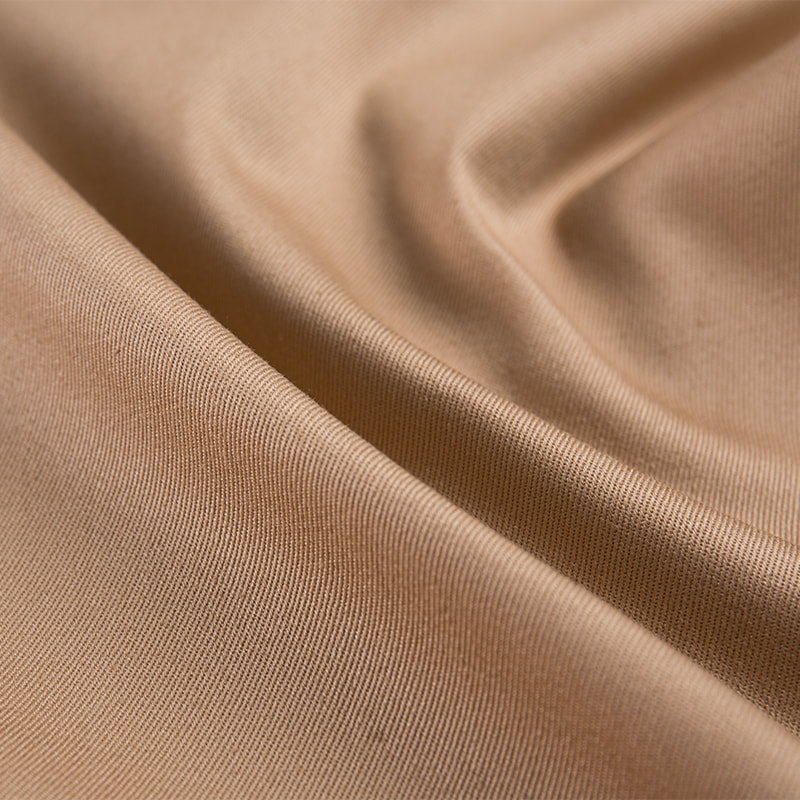
Twill cotton is defined by its diagonal rib, called a wale line, produced when the weft yarn skips over two or more warp yarns before going under one, then shifts the starting point by one yarn on the next row. This staggered float is what creates the visible diagonal on fabrics such as chino, drill, and denim. Common constructions are written as a fraction: 2/1 twill floats over two warp yarns and under one, while 3/1 twill floats over three and under one, producing a heavier, more warp-faced cloth.
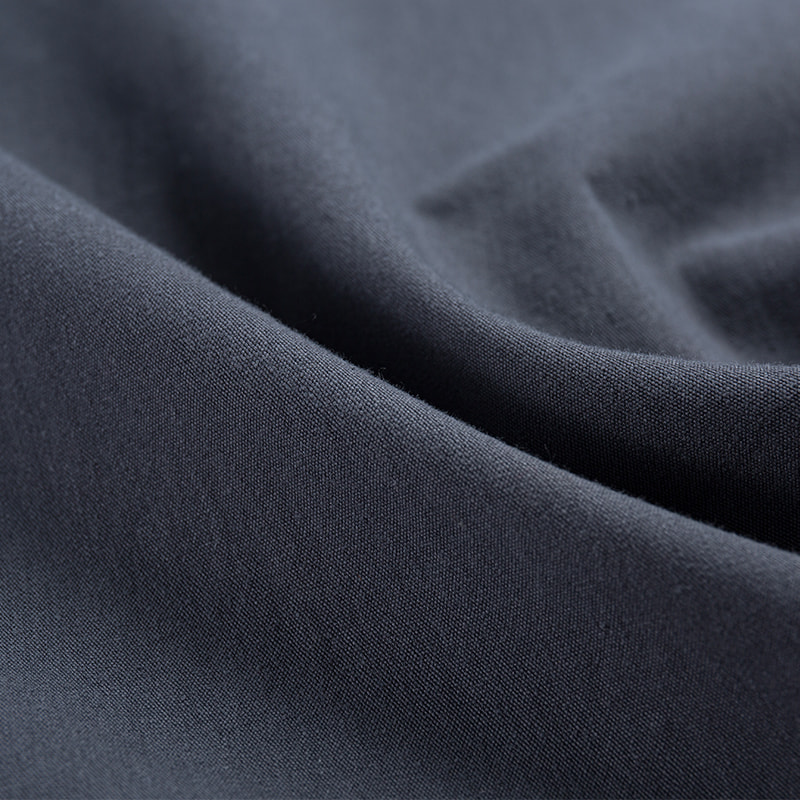
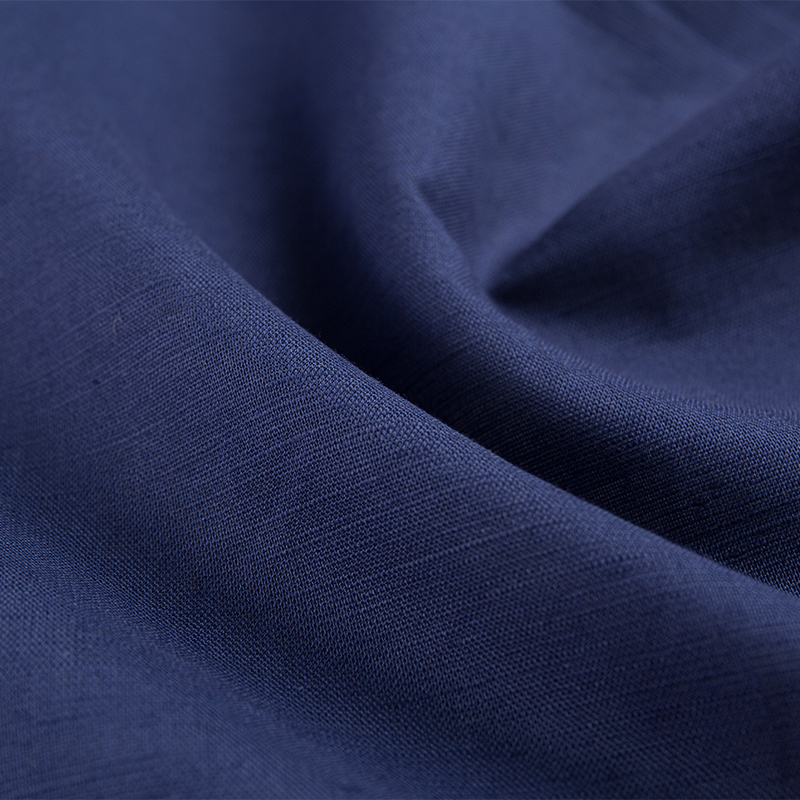
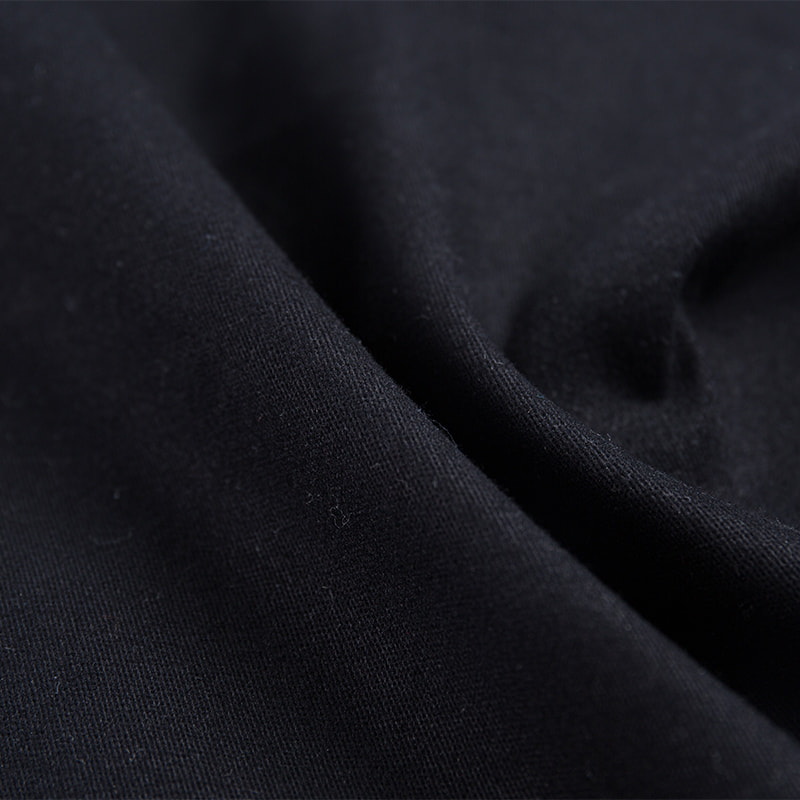
Gabardine fabric is a specific, tightly set twill rather than a separate weave family. It typically uses a steep 2/1 or 2/2 twill angle, often exceeding 63 degrees from horizontal, combined with a high pick count that packs the weft yarns close together. That density is what gives gabardine its firm hand, sharp diagonal line, and natural resistance to light abrasion and wind. It is commonly finished from combed cotton, worsted wool, or blended synthetic yarns, and is used where a garment needs structure without excess bulk, such as tailored trousers, trench coats, and uniform shells.
| Property | General Twill Cotton | Gabardine Fabric |
|---|---|---|
| Weave angle | 45 to 63 degrees | Usually above 63 degrees |
| Surface feel | Softer, more flexible | Firm, smooth, slightly stiff |
| Typical use | Casual pants, workwear | Tailored trousers, coats, uniforms |
| Weft density | Moderate pick count | High pick count |
check fabric is not a weave type on its own; it is a color-and-yarn arrangement applied on top of a plain or twill base. The pattern is created by dyeing yarns before weaving, then arranging them in a repeating sequence in both the warp and the weft so the colored stripes intersect and form a grid. Because the check must line up symmetrically at the intersections, tension control across the warp beam becomes far more critical than on a solid-color fabric, since any drift will visibly skew the grid.
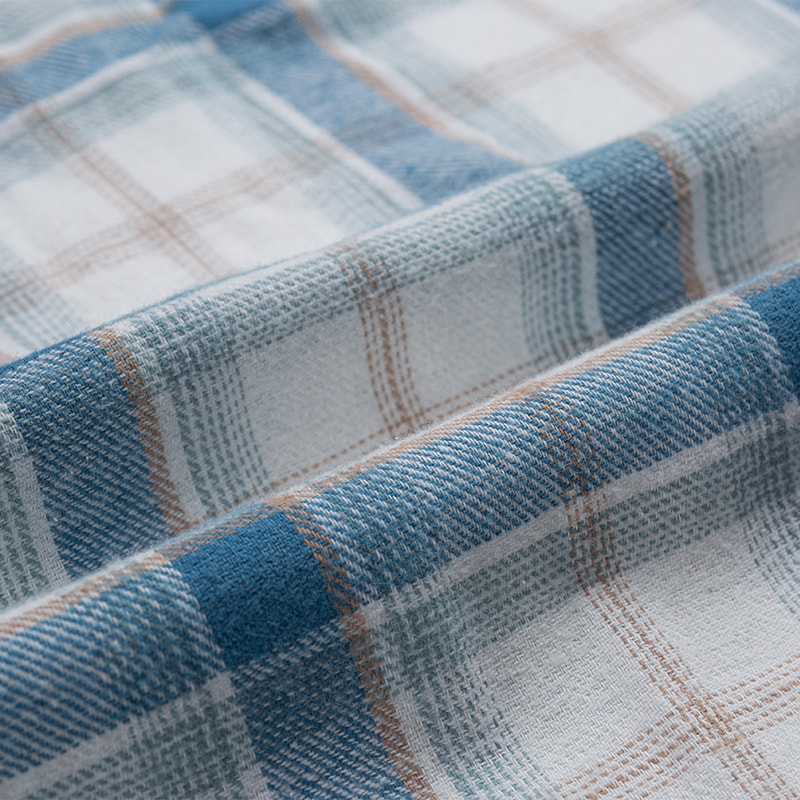
Common check variants differ mainly in scale and color logic:
denim fabric is a warp-faced twill, most often constructed as 3/1, where the indigo-dyed warp yarn dominates the face of the cloth and an undyed or lighter weft yarn sits mostly hidden on the back. This is why denim fades unevenly along stress points such as knees and pocket edges: the abrasion wears away the dyed warp surface and gradually exposes the lighter core beneath.
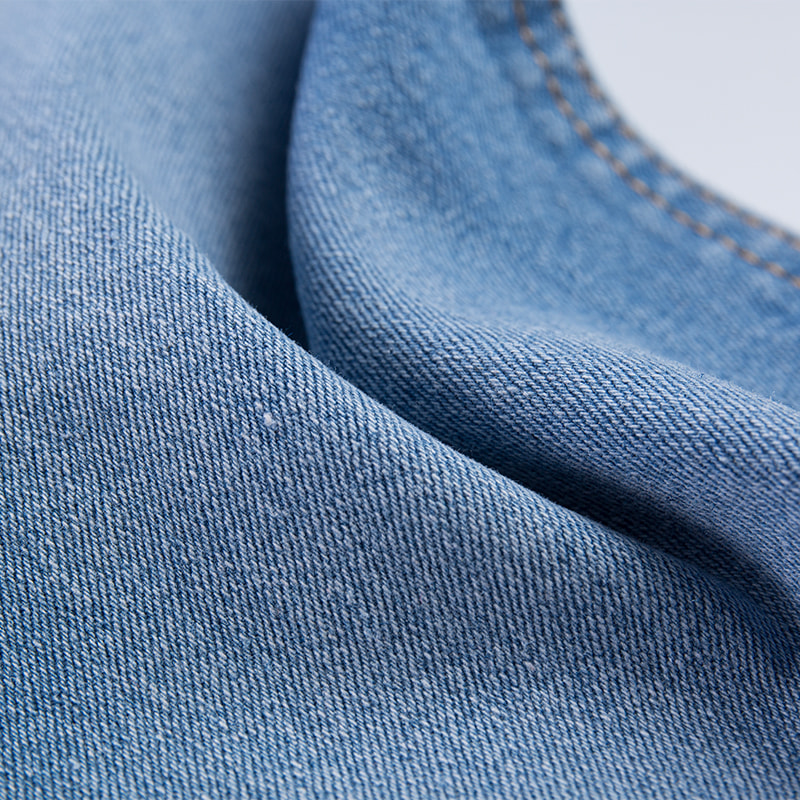
Denim is generally classified by weight in ounces per square yard rather than by thread count alone, since warp-faced twills pack yarns unevenly between the two directions.
| Weight Range | Typical Feel | Common Application |
|---|---|---|
| 4 to 7 oz | Light, drapey | Shirting, dresses, summer layers |
| 8 to 11 oz | Mid-weight, structured | Everyday trousers, jackets |
| 12 to 16 oz | Heavy, stiff | Workwear, selvedge denim, outerwear |
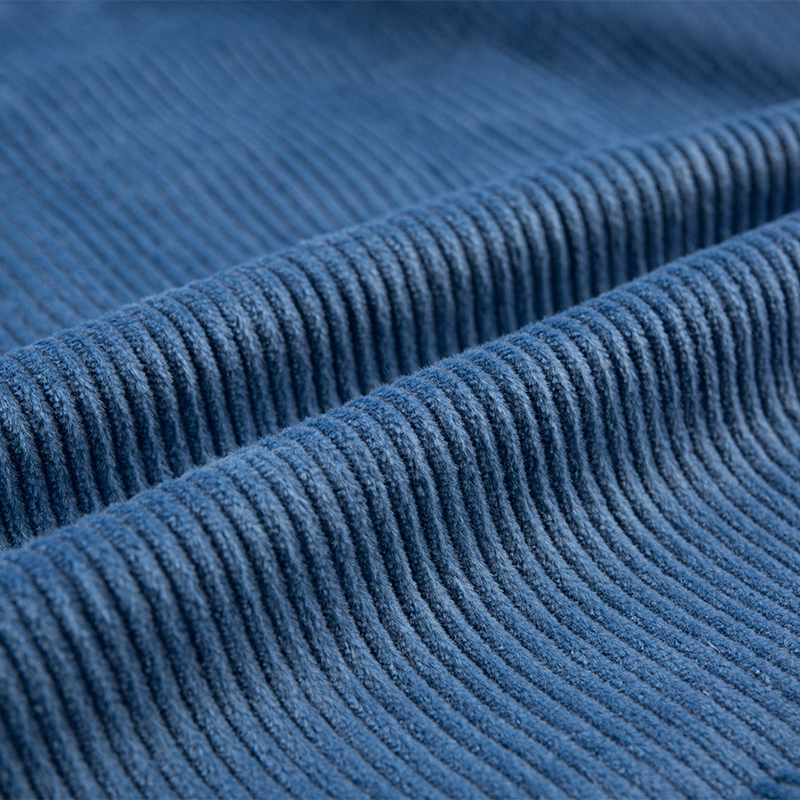
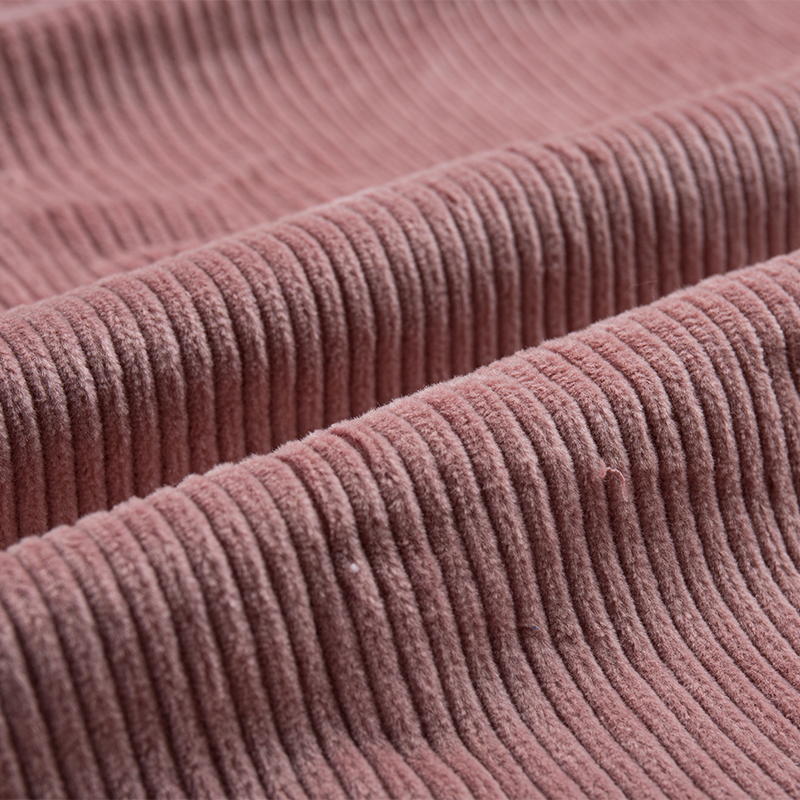
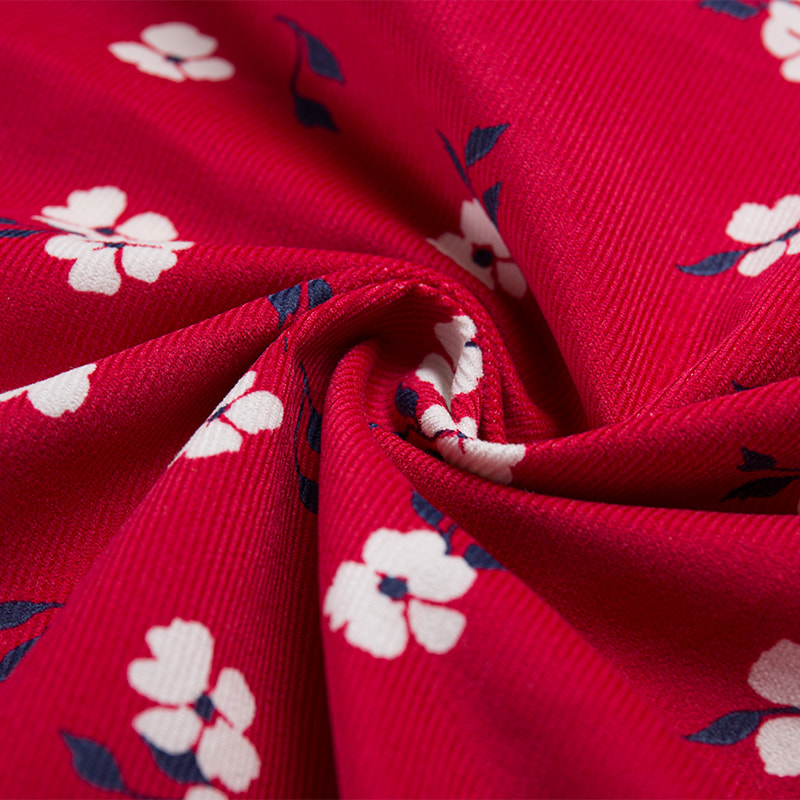
corduroy fabric belongs to the pile weave family. Extra weft yarns are floated across a ground weave, then cut lengthwise to release loose yarn ends, which are brushed upright to form the raised ridges known as wales. The number of wales per inch determines both the visual scale and the hand of the fabric.
Thread count refers to the number of warp and weft yarns counted within one square inch of fabric. It is a useful comparison point within the same fiber and weave family, but it is not a universal quality measure, since a fabric woven with thicker yarns at a lower thread count can outperform a thin-yarn fabric with a higher one.
For check fabric specifically, thread count also affects how sharp the pattern edges appear; a lower count with thicker yarn produces a softer, slightly blurred grid line, while a tighter count produces a crisper check.
Matching needle size, thread type, and presser foot to the fabric weight prevents skipped stitches, puckering, and pile crushing.
| Fabric | Recommended Needle | Presser Foot Note |
|---|---|---|
| Check fabric, light-mid weight | Universal 70/10 to 80/12 | Standard foot, watch pattern alignment when cutting |
| Denim fabric, mid-heavy weight | Denim or jeans needle 90/14 to 100/16 | Non-stick or roller foot for even feed through layered seams |
| Corduroy fabric | Universal or stretch 80/12 | Walking foot to stop the pile from shifting under the presser |
| Gabardine fabric | Sharp point 80/12 to 90/14 | Standard foot with slightly reduced pressure to avoid shine marks |
The weave sets the base structure, but the finishing stage determines how a fabric behaves once it becomes a garment.
| Fabric | Weave Family | Defining Trait | Typical Weight Feel |
|---|---|---|---|
| Twill cotton | Twill | Diagonal wale line | Light to mid |
| Gabardine fabric | Steep twill | Dense, firm hand | Mid to heavy |
| Check fabric | Plain or twill base | Woven-in color grid | Light to mid |
| Denim fabric | Warp-faced twill | Uneven fade at stress points | Light to heavy |
| Corduroy fabric | Pile | Cut wale ridges | Mid to heavy |
Twill cotton is generally chosen where more drape resistance and abrasion durability are needed, since the diagonal float structure holds its shape better under repeated flexing than a plain weave of similar yarn thickness.
Gabardine is a type of twill, not a separate category. It is distinguished by a steeper weave angle and a denser weft count, which gives it a firmer, smoother surface than a standard twill.
Misalignment usually comes from uneven yarn tension during weaving or from cutting pattern pieces off-grain, both of which disrupt the symmetry the check pattern depends on.
Because denim is warp-faced, the visible surface is almost entirely dyed warp yarn. Abrasion at high-contact points wears through that dyed layer first, exposing the lighter yarn underneath.
Wale count indicates how fine or bold the ridges are. A higher count per inch means finer, closely spaced ridges, while a lower count produces the bold, widely spaced ridges seen in wide wale corduroy.
Related Products
Get in Touch
We're here for you when you need us.
Contact Information
Add:
No. 517 Huanzhu Road, High-Tech Zone, Wuxing District, Huzhou City, Zhejiang Province, China.
E-mail:
Product Category
QR Code
Join our community and stay connected
 English
 Español
 عربى
عربى