2026-08-13
Content
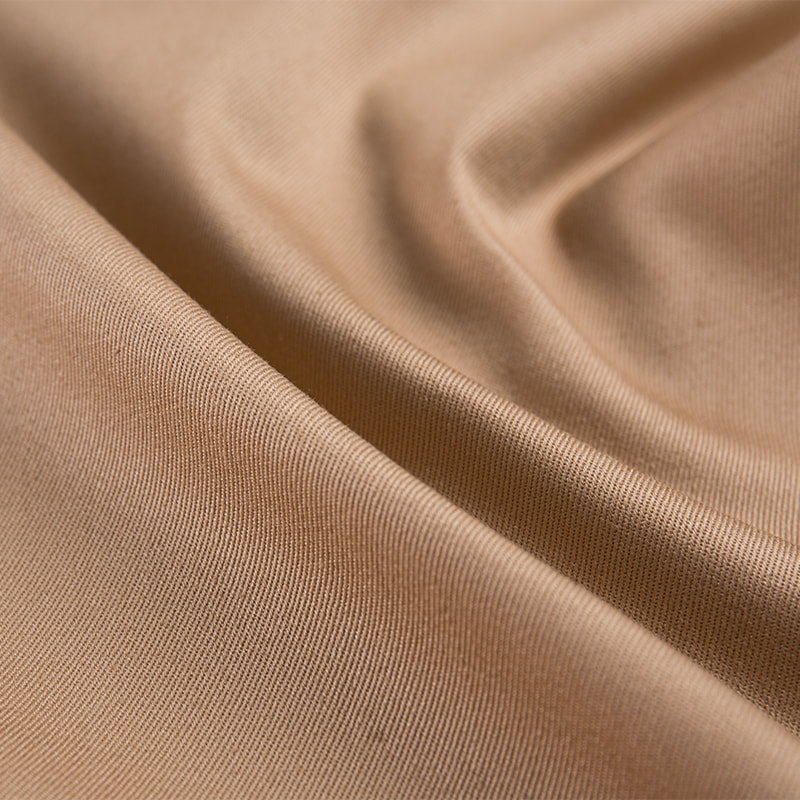
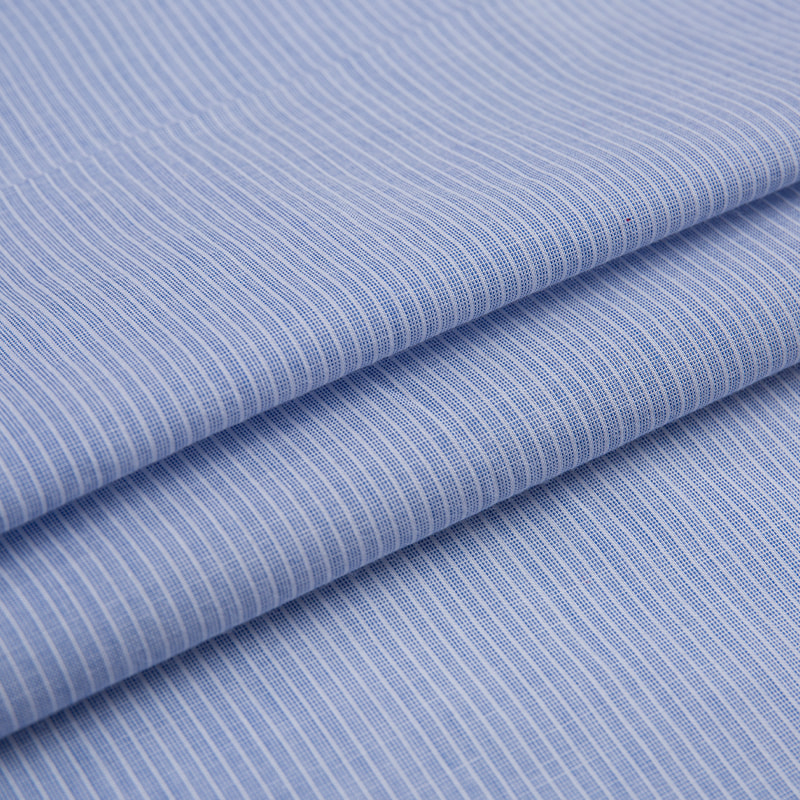
Fabric choice determines far more than the surface look of a finished piece. Fiber content, weave density, and surface texture all influence how thread sits on the cloth, how a stitched design holds its shape over time, and how a finished textile drapes when it becomes part of a curtain, cushion, or upholstered surface. Anyone working across embroidery and home furnishing projects quickly learns that a fabric which performs beautifully for structured stitch work may behave poorly when used for soft draping, and the reverse is equally true.
This guide breaks down three widely used fabric categories, how each one responds to needlework and decorative use, and what practical factors should guide a selection decision. The goal is to give makers, small studios, and procurement teams a working reference rather than a marketing pitch, so the focus stays on measurable characteristics such as thread count, weight, stretch tolerance, and finishing behavior.
Two questions tend to come up early in almost every project: how will this fabric hold up under repeated needle penetration, and how will it read once it is hanging, draped, or upholstered in a finished space. Answering both questions before cutting begins is what separates a smooth production run from one that requires costly rework partway through. The sections below work through each fabric category individually, then move into comparison, texture, trim pairing, weight selection, and common sourcing mistakes, so the guide can be used either as a full reference or scanned for the section most relevant to a specific project.
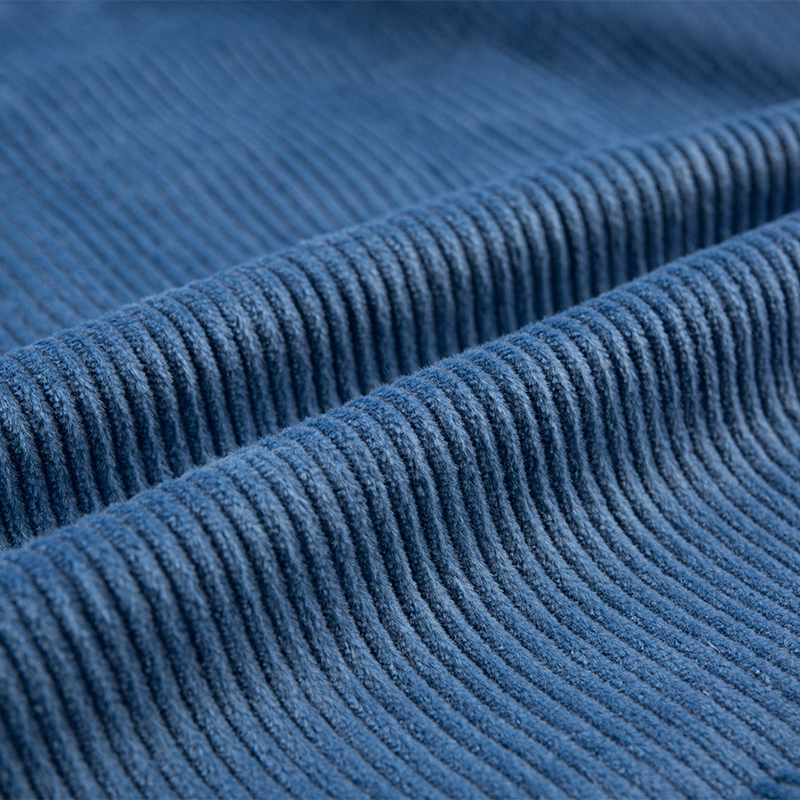
embroidery fabric is engineered around one central requirement: it must hold a stitch pattern without distorting under repeated needle penetration. A fabric that shifts, puckers, or stretches during stitching will cause misaligned motifs, uneven satin stitch edges, and thread breakage during high speed machine runs.
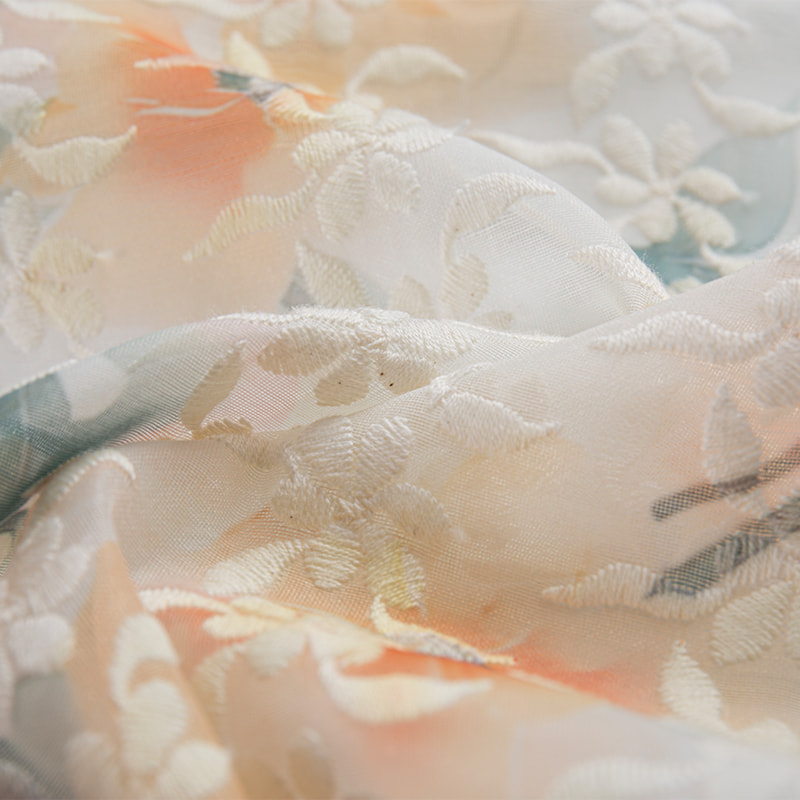
Three properties matter most when assessing a base cloth for embroidery work:
Stabilizer choice also depends heavily on the base fabric. Lightweight cloths generally need a cutaway or tear away backing to prevent stitch sink, while heavier, tightly woven bases can sometimes carry dense embroidery with only a wash away topping. Studios running high volume production typically test a small swatch with the exact stitch density and backing combination before committing a full order, since even a small shift in fabric weight can change how a design reads once it is off the hoop.
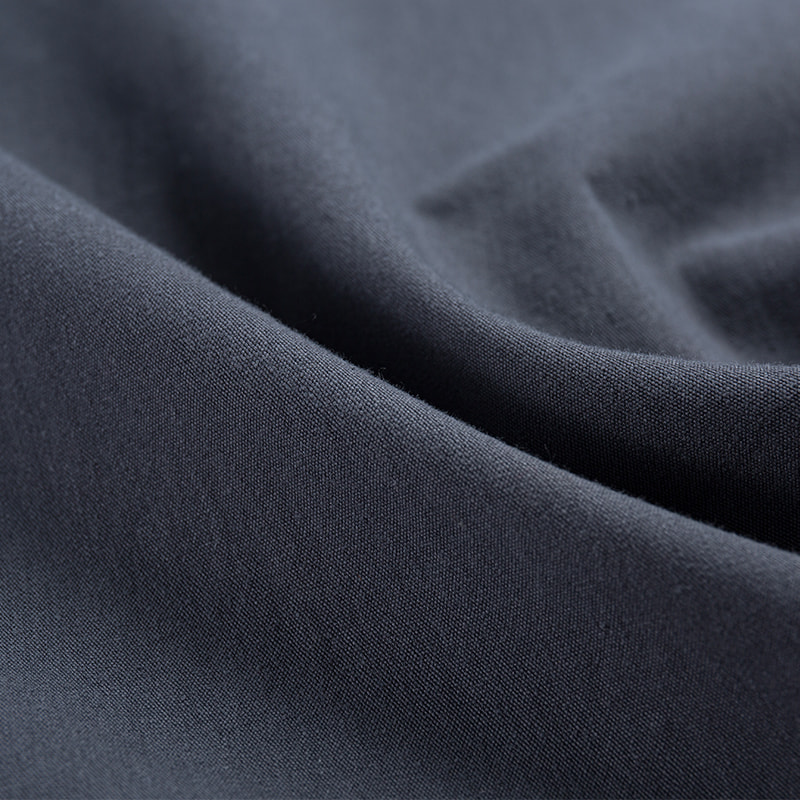
crepe fabric is defined by its crimped, slightly puckered surface, produced through tightly twisted yarns or a specialized weave pattern. That texture gives crepe a matte finish and a soft, flowing drape that sets it apart from smoother, flatter cloths.
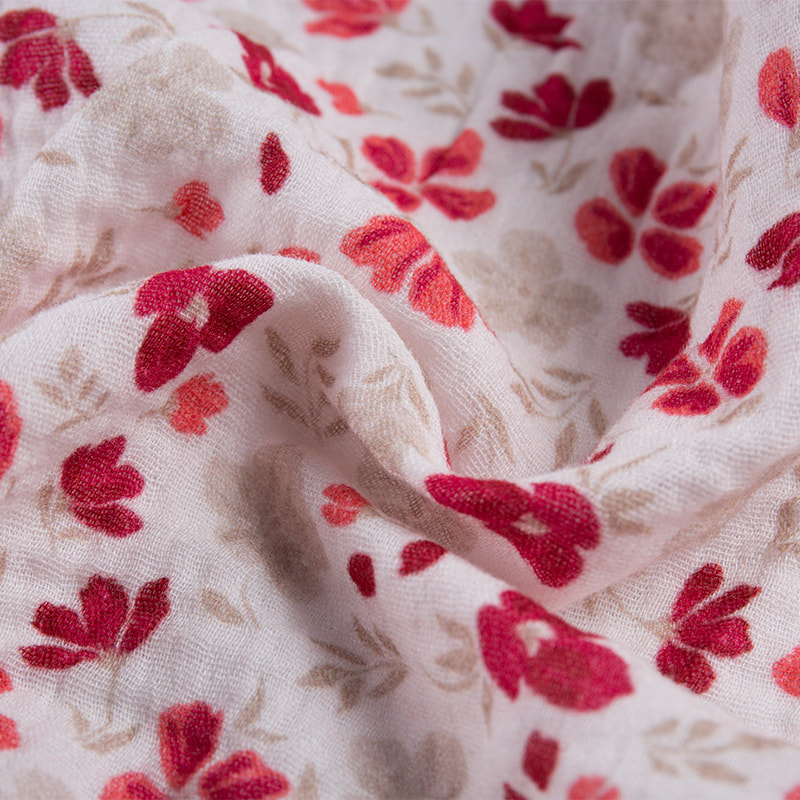
In decorative and home textile applications, crepe is often chosen for its ability to absorb light without glare, which makes it useful for draped panels, accent cushions, and layered window treatments where a soft visual weight is preferred over a crisp, structured look. Because the crimped surface has some natural give, crepe is not always the first choice for dense, structured embroidery, but it performs well with lighter stitch counts, applique work, and decorative trims that rely on movement rather than rigidity.
Handling notes worth considering during production:
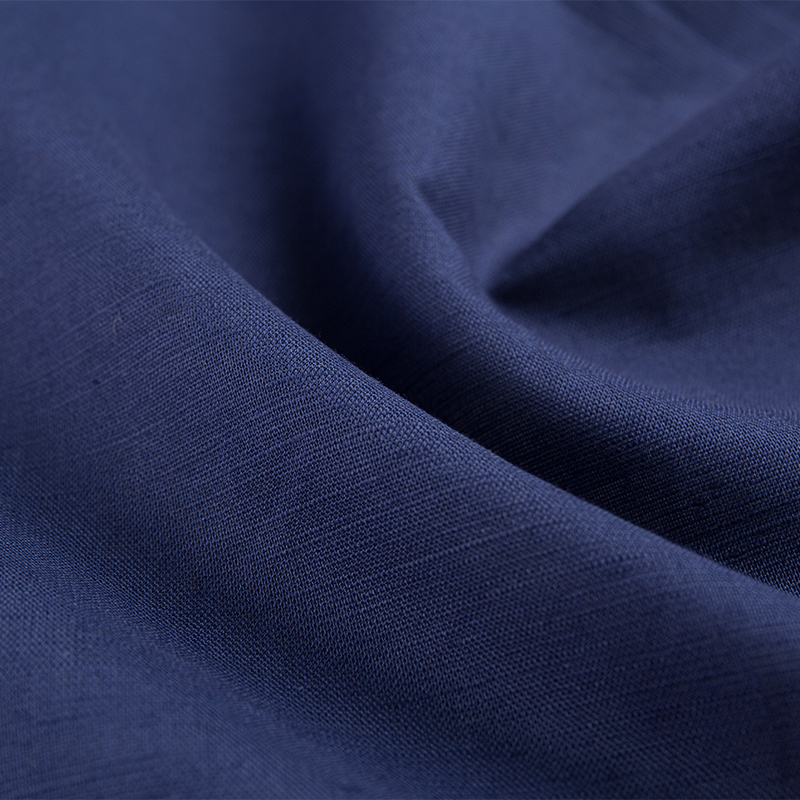
linen fabric is spun from flax fiber and brings a distinct set of characteristics to home decor work: a naturally irregular slub texture, high breathability, and a crisp hand that softens gradually with washing and use.
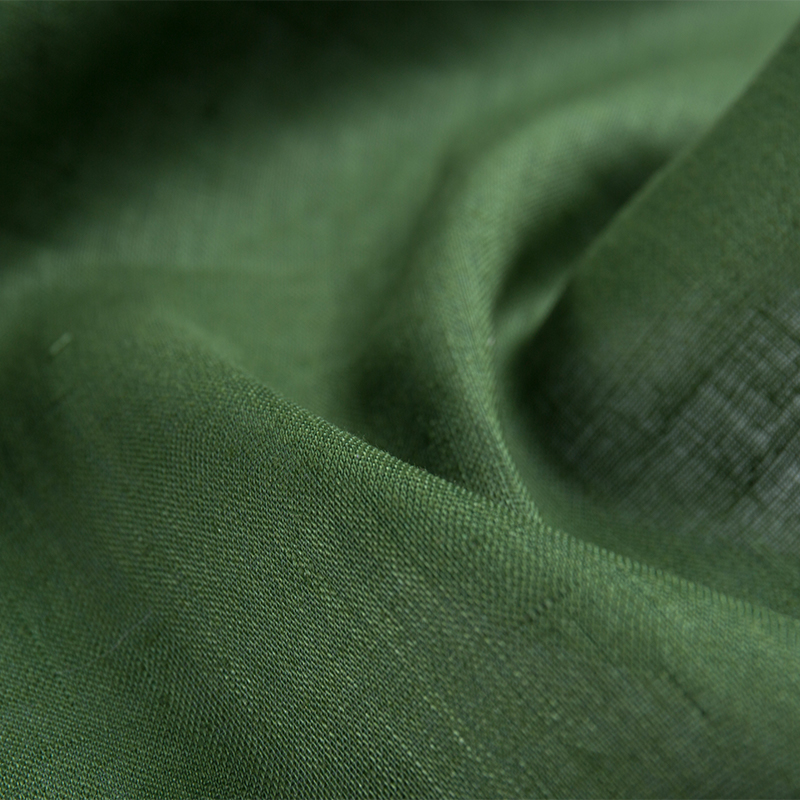
For home furnishing materials, linen is frequently selected for its combination of durability and a relaxed, textured surface that pairs well with both structured and casual interior styles. Its natural fiber slubs create subtle texture variation across a bolt, which is generally considered part of the material's character rather than a defect, though it does mean that panel matching across large upholstery runs benefits from careful batch selection.
Linen accepts embroidery reasonably well, particularly for open, lower density motifs, but the natural slub texture means very fine detail work can lose crispness compared to a smoother synthetic base. Blended linen constructions, which combine flax with cotton or other fibers, are sometimes used specifically to reduce wrinkling and improve stitch definition while keeping much of linen's natural surface character.
The table below summarizes how each fabric category typically performs across common decision factors relevant to embroidery and home decor sourcing.
| Factor | Embroidery Fabric | Crepe Fabric | Linen Fabric |
|---|---|---|---|
| Stitch stability | High | Moderate | Moderate |
| Drape quality | Low to moderate | High | Moderate |
| Surface texture | Smooth to lightly textured | Crimped, matte | Slubbed, natural |
| Best fit | Logos, dense motifs, monograms | Draped panels, applique, soft accents | Upholstery, curtains, casual decor |
| Wash behavior | Stable, minimal shrinkage | Slight relaxation possible | Softens over time, may shrink |
The finished appearance of a stitched or draped textile is shaped by an interaction between fiber type, yarn twist, weave structure, and finishing treatment. The diagram below outlines this relationship as a simple process flow.
Each stage in this chain has a compounding effect. A tightly twisted yarn woven into a plain structure and left with a minimal finish will produce a crisp, stable cloth suited to precise stitching. The same fiber run through a crepe weave and a softening finish produces a completely different surface, better suited to draped, decorative applications. Recognizing which stage of this chain a fabric sample sits in helps explain why two cloths made from similar raw fiber can behave so differently on the hoop or on the frame.
Decorative trims such as piping, braid, and fringe are frequently combined with embroidered or textured base cloths in home decor production. Getting a stable, professional result depends on matching the trim's weight and flexibility to the base fabric rather than treating trim selection as a purely visual decision.
Testing trim application on a scrap swatch from the same production batch is a practical step, since dye lot and finishing variation can slightly change how a trim seats against the base cloth.
It also helps to consider how a trim will be laundered or cleaned once it becomes part of a finished piece. A trim rated for a gentler wash cycle attached to a base fabric that tolerates more aggressive cleaning can create a mismatch that shortens the usable life of the whole item, so checking care compatibility alongside visual and structural fit is worth the extra few minutes during the planning stage.
Fabric weight, typically measured in grams per square meter, is one of the clearest indicators of how a textile will perform once it is sewn into a finished home decor item. Lighter weights suit draped applications such as sheer curtains or layered cushion covers, while heavier weights are better suited to structural uses such as upholstery panels or box cushions that need to hold their shape under regular use.
Weave type works alongside weight to determine durability. A plain weave distributes wear evenly and is generally easier to keep dimensionally stable, while a twill or satin weave can offer a different surface sheen at the cost of slightly more visible wear patterns over time on high contact surfaces such as seat cushions. Matching expected use, whether decorative or high traffic, to both weight and weave reduces the likelihood of premature wear or an unintended visual result once a piece is installed.
A useful way to frame the decision is to separate projects into three general categories: light draping applications, medium weight accent pieces, and heavy structural upholstery. Light draping work, such as sheer panels or table runners, generally performs best with fabric in the lower weight range, since the goal is movement and translucency rather than rigidity. Medium weight accent pieces, including standard cushion covers and table linens, benefit from a balance of body and softness that allows the piece to hold a defined shape while still being comfortable to handle. Heavy structural upholstery, such as seat cushions or fitted furniture covers, needs enough weight and weave density to resist abrasion from daily contact, along with a finish that will not pill or thin out after repeated use. Reviewing which of these three categories a project falls into before sourcing narrows the fabric search considerably and reduces the chance of selecting a cloth that looks right on a swatch card but underperforms once it is in regular use.
Several recurring issues show up across embroidery and home decor sourcing projects, and most are avoidable with a short pre production check.
Building a short internal checklist covering hand feel, weight, stretch tolerance, and a small stitched or draped sample test before full production tends to catch the majority of these issues early, when adjustments are still inexpensive to make. Documenting the results of each swatch test, including stabilizer type, stitch density, and any observed puckering or shrinkage, also creates a useful reference for future projects that call for a similar fabric type, saving time on repeat sourcing decisions down the line.
How a fabric is stored and handled before it ever reaches a sewing table has a measurable effect on how well it performs once cut and stitched. Fabric left folded under pressure for long periods can develop permanent crease lines, and rolls stored in humid conditions can absorb moisture unevenly, which shows up later as inconsistent shrinkage across a single bolt.
A few handling practices reduce these risks across all three fabric categories covered in this guide:
| Practice | Why It Matters |
|---|---|
| Store rolled rather than folded when possible | Prevents sharp crease lines that can be difficult to remove before cutting |
| Keep storage area at stable humidity | Reduces uneven moisture absorption, particularly important for linen |
| Pre wash or steam test swatches before bulk cutting | Reveals shrinkage or texture change before a full production run is committed |
| Rotate stock and check dye lots | Minimizes visible shade variation across large decor projects such as matched curtain panels |
For embroidery specifically, handling the fabric as little as possible between hooping and stitching helps keep the grain aligned, since repeated handling can gradually shift a piece off grain in ways that are hard to notice until the finished design is examined closely.
For studios and small production teams, sourcing decisions usually come down to balancing consistency, minimum order requirements, and the ability to get a representative swatch before committing to volume. A few practical steps tend to reduce risk on new fabric sourcing:
Working through these steps before scaling up a project is generally far less costly than discovering a mismatch after cutting has already begun. This is particularly true for embroidery work, where a fabric switch mid project can mean re-digitizing stitch density settings to suit a different base cloth, and for home furnishing runs, where visible shade or texture differences between panels are hard to correct after installation.
Combining a base fabric with decorative trims, complementary weaves, or contrast texture panels can also extend the visual range of a single fabric type without requiring an entirely new sourcing relationship. A single bolt of well chosen linen fabric, for example, can support both a structured cushion cover and a softer draped table runner, provided the weight and finish are checked against each specific application before cutting begins.
A suitable base fabric combines a tight enough weave to resist needle drag, low stretch along both grains, and a surface smooth enough to let stitches lie flat. Pairing the fabric with an appropriate stabilizer is also part of achieving a stable result.
Yes, lighter stitch densities and open motif designs generally preserve crepe's natural crimped texture better than dense, heavily filled designs, which can flatten the surface in the stitched area.
Linen is a natural flax fiber, and natural fibers typically absorb more moisture during washing than synthetic fibers, which can cause the yarn to relax and the woven structure to tighten slightly, resulting in shrinkage.
Upholstery generally calls for a heavier, more tightly woven fabric that can withstand friction and repeated use, while curtain fabric can be lighter in weight since it prioritizes drape and light diffusion over abrasion resistance.
Selecting the base fabric first is generally more reliable, since trim weight and flexibility need to be matched to the body and hand of the chosen cloth rather than the other way around.
Related Products
Get in Touch
We're here for you when you need us.
Contact Information
Add:
No. 517 Huanzhu Road, High-Tech Zone, Wuxing District, Huzhou City, Zhejiang Province, China.
E-mail:
Product Category
QR Code
Join our community and stay connected
 English
 Español
 عربى
عربى