2026-05-14
Content
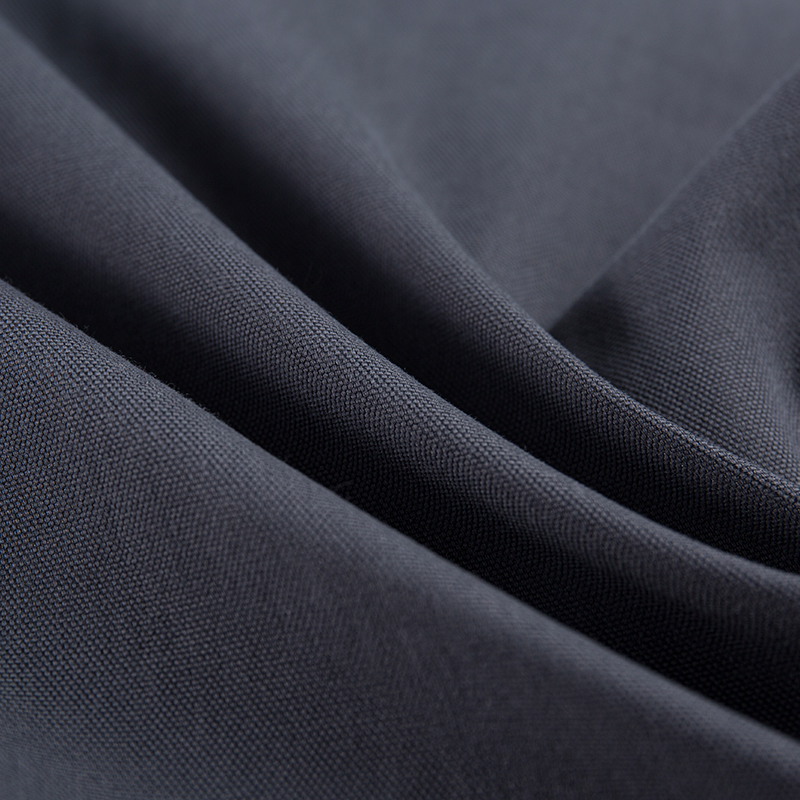
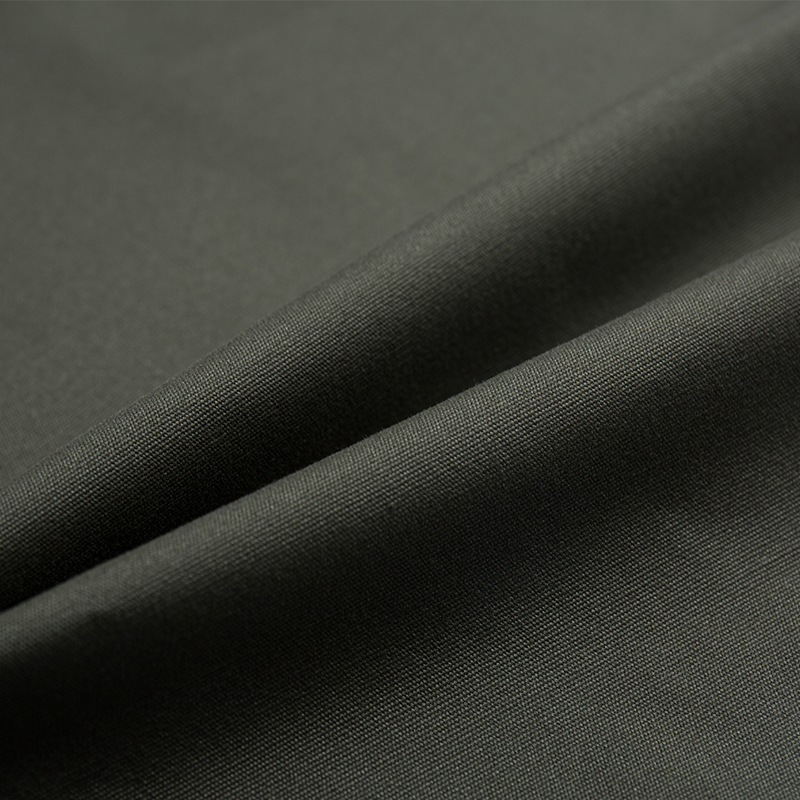
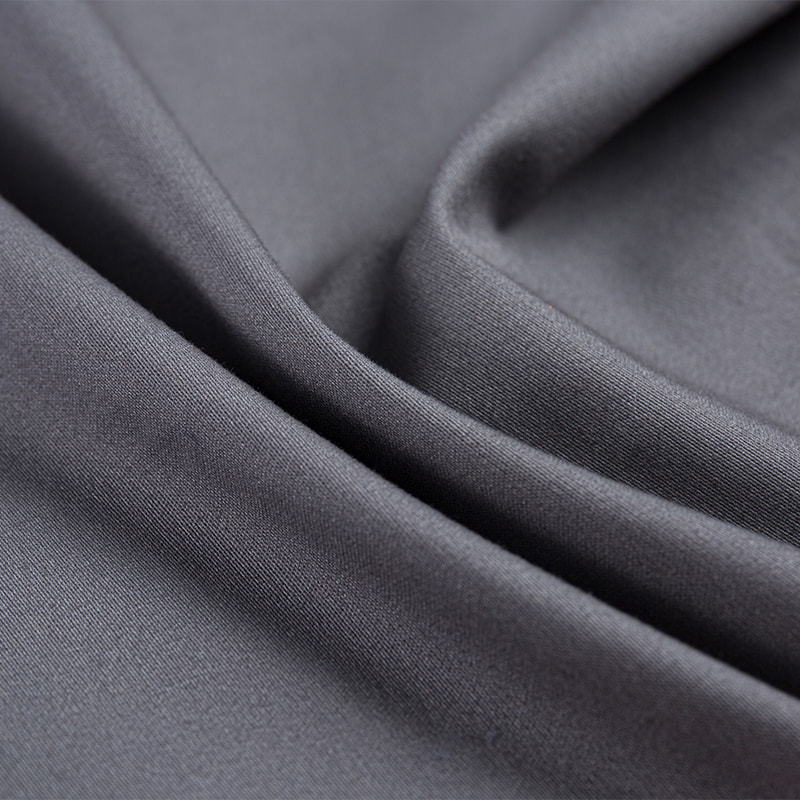
Textile engineering continues to evolve with the development of blended fabrics that combine the best attributes of natural and man-made fibers, and Viscose Cotton Twill Drill Fabric stands as a prime example of this innovation. This fabric is a carefully engineered textile blend that merges viscose fibers—known for their softness, breathability, and silk-like drape—with cotton fibers, celebrated for their strength, durability, and comfort. The twill drill weave structure elevates this blend beyond standard textiles, creating a material that balances aesthetic appeal, functional performance, and long-term resilience for a wide range of end uses.
Understanding the defining weave structure of viscose cotton twill drill fabric is essential for textile professionals, designers, manufacturers, and buyers who seek to make informed decisions about material selection. Unlike plain weave fabrics, which offer simplicity but limited structural depth, or satin weaves, which prioritize luster over durability, twill drill weaving delivers a unique combination of sturdiness, texture, and versatility. This fabric has become a staple in industries ranging from apparel and workwear to home textiles and industrial applications, thanks to its adaptable properties that stem directly from its specialized weave construction.
The integration of viscose and cotton fibers creates a synergistic effect: viscose enhances the fabric’s soft hand feel, moisture absorption, and drape, while cotton boosts tensile strength, abrasion resistance, and dimensional stability. When paired with the twill drill weave, these fibers form a textile that outperforms single-fiber fabrics in multiple performance metrics. This article provides an in-depth analysis of the defining weave structure of viscose cotton twill drill fabric, exploring its technical characteristics, manufacturing nuances, performance benefits, practical applications, and care requirements to offer a comprehensive resource for all textile stakeholders.
As demand for high-performance, comfortable, and sustainable blended textiles grows, viscose cotton twill drill fabric has solidified its position as a top-tier material. Its defining weave structure is not merely a design choice but a technical foundation that dictates every aspect of the fabric’s behavior, from how it feels against the skin to how it withstands repeated use and laundering. By dissecting this weave structure and its associated properties, we uncover why this fabric remains a preferred choice across diverse sectors and how it continues to adapt to modern textile demands.
Before examining the defining weave structure of viscose cotton twill drill fabric, it is critical to understand the fiber blend that forms its base. The performance of the twill drill weave is inherently linked to the characteristics of viscose and cotton fibers, and the ratio of these fibers directly impacts the fabric’s final properties. Standard blending ratios for this fabric range from 30% viscose / 70% cotton to 50% viscose / 50% cotton, with each ratio tailored to specific functional and aesthetic needs.
Viscose fibers, classified as regenerated cellulosic fibers, are derived from natural wood pulp, making them biodegradable and eco-friendly. In the viscose cotton twill drill blend, viscose contributes several indispensable qualities that enhance the fabric’s overall value:
Cotton, a natural cellulosic fiber, is the most widely used textile fiber globally, prized for its robustness and user-centric benefits. In the twill drill blend, cotton acts as the structural backbone, offsetting viscose’s lower durability and adding critical functional traits:
The combination of viscose and cotton creates a fabric that eliminates the weaknesses of each individual fiber while amplifying their strengths. Viscose compensates for cotton’s relatively coarse texture with softness, while cotton mitigates viscose’s tendency to lose strength when wet. This synergy is further optimized by the twill drill weave, which locks the fibers into a stable, interlaced structure that maximizes the blend’s potential. Textile testing confirms that blended viscose cotton twill drill fabrics exhibit 25% higher durability than 100% viscose fabrics and 30% better softness than 100% cotton drill fabrics, making the blend a superior choice for most applications.
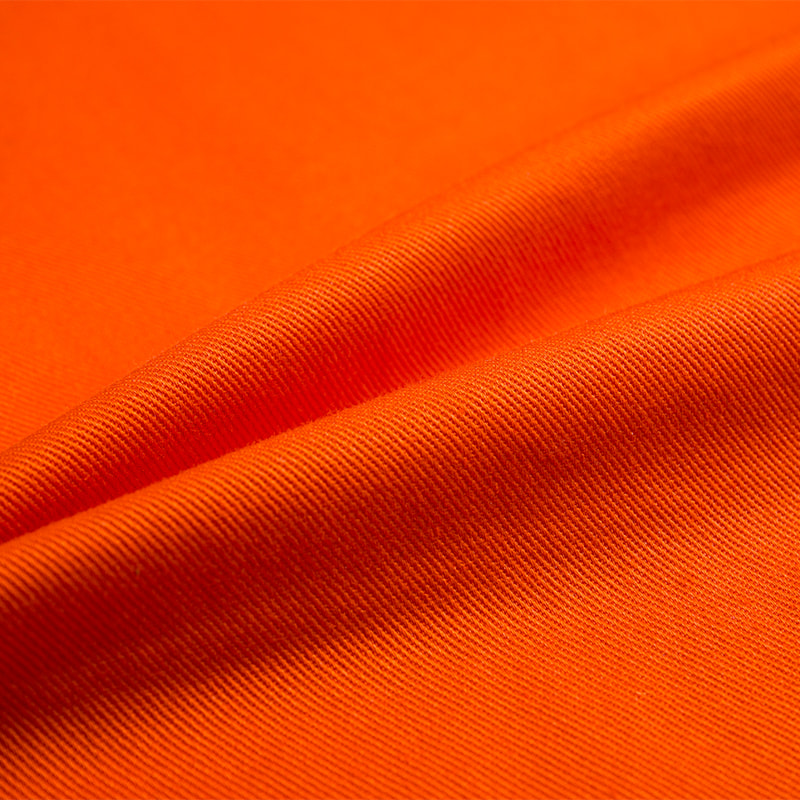
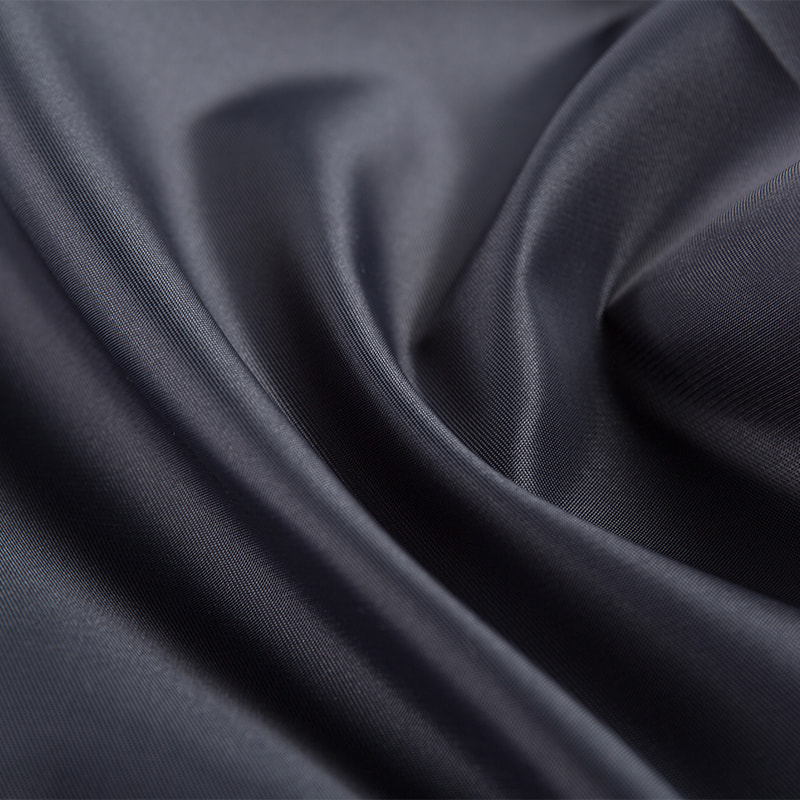
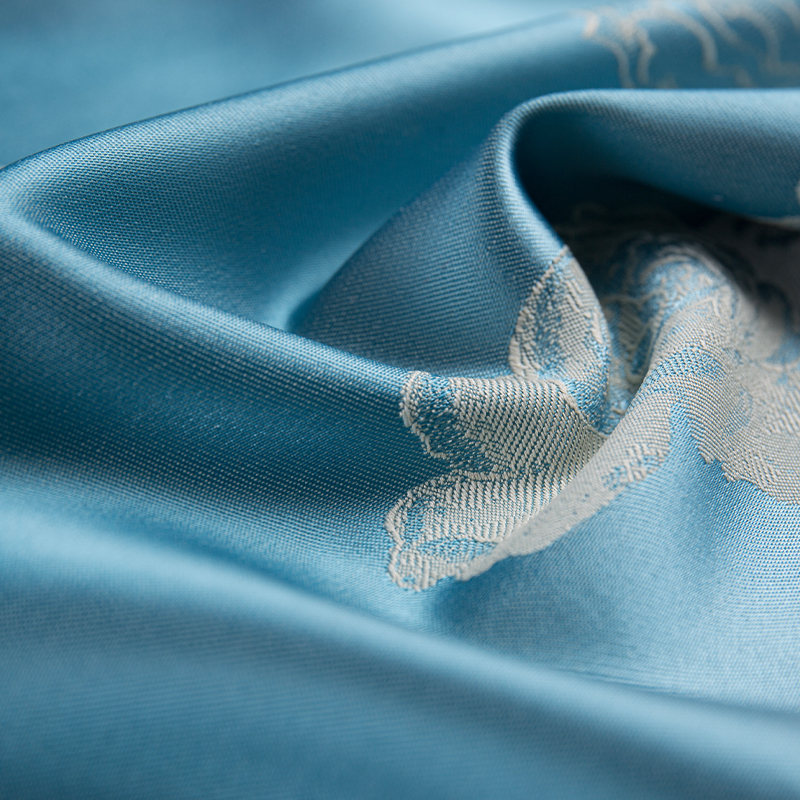
The defining characteristic of Viscose Cotton Twill Drill Fabric is its specialized twill drill weave structure—a variation of the classic twill weave engineered for enhanced thickness, strength, and stability. Unlike basic twill weaves used in lightweight apparel, drill twill is a heavy-duty, balanced weave that features distinct, diagonal ribs (or wales) on the fabric surface, created by a precise interlacing pattern of warp and weft yarns.
To fully grasp the defining weave structure, it is essential to distinguish twill drill from other common weave types and understand its unique technical parameters. The weave structure directly determines the fabric’s weight, thickness, texture, durability, and performance capabilities, making it the cornerstone of viscose cotton twill drill fabric’s identity.
Twill drill weave follows a 2/1 or 3/1 warp-faced interlacing pattern, meaning each weft yarn passes over two or three warp yarns and under one, creating consistent, pronounced diagonal lines across the fabric. This pattern is repeated uniformly across the entire textile surface, resulting in a symmetrical, durable structure. Key technical traits of the defining weave include:
The table below highlights how the defining twill drill weave structure of viscose cotton fabric compares to plain weave and standard twill weave, emphasizing its unique advantages:
| Weave Type | Surface Texture | Durability | Fabric Weight | Primary Use Case |
| Plain Weave | Smooth, flat | Moderate | Light to Medium | Casual Apparel, Linings |
| Standard Twill | Subtle Diagonal Lines | Good | Medium | Dresses, Shirts |
| Twill Drill | Pronounced Diagonal Ribs | Excellent | Medium to Heavy | Workwear, Upholstery, Uniforms |
The defining weave structure of viscose cotton twill drill fabric is further defined by its density and weight ranges, which are standardized for industrial and commercial use. Typical fabric weights fall between 200 GSM and 320 GSM (grams per square meter), classifying it as a medium-to-heavy weight textile. Warp yarn density ranges from 50 to 70 ends per inch, while weft yarn density ranges from 30 to 45 picks per inch, creating a tight, compact structure that resists stretching and deformation. This density level is a direct result of the twill drill weave, which allows for higher yarn packing without sacrificing breathability.
The production of viscose cotton twill drill fabric is a precision-driven process that combines fiber blending, yarn formation, weaving, and finishing, all centered around preserving the defining twill drill weave structure. Each stage is carefully controlled to ensure the final product meets performance, aesthetic, and quality standards, with the weave structure remaining the focal point of manufacturing excellence.
The manufacturing process begins with the precise blending of viscose and cotton fibers in predetermined ratios. Fibers are cleaned, carded, and blended to create a homogeneous mixture, ensuring uniform distribution of both fiber types throughout the yarn. This uniformity is critical for maintaining consistent weave structure and fabric performance. The blended fibers are then spun into ring-spun yarns, which offer superior strength and smoothness—ideal for the tight interlacing required in twill drill weaving. Yarn counts typically range from 20s to 40s (Ne), balancing thickness and flexibility for the defining weave structure.
Weaving is the core stage where the defining twill drill structure is created using shuttleless or air-jet looms, which provide high precision and efficiency. Warp yarns are set onto the loom beam under controlled tension, and weft yarns are inserted following the 2/1 or 3/1 twill drill pattern. Loom settings are calibrated to maintain consistent diagonal rib formation, yarn density, and fabric width—typically 58/60 inches for commercial applications. During weaving, quality control checks ensure no defects in the weave structure, such as broken ribs, uneven tension, or yarn misalignment, which would compromise the fabric’s performance.
After weaving, the greige fabric undergoes a series of finishing processes that enhance its appearance, hand feel, and performance while preserving the integrity of the twill drill weave structure. Key finishing steps include:
The finishing process is tailored to protect the defining twill drill weave structure, ensuring that the diagonal ribs remain pronounced and the fabric’s structural stability is preserved. Over-finishing is avoided to prevent flattening the weave or altering the fabric’s natural texture and performance characteristics.
Every performance advantage of viscose cotton twill drill fabric is directly attributed to its defining twill drill weave structure, combined with the viscose-cotton fiber blend. This weave creates a textile that excels in functional, aesthetic, and practical categories, making it suitable for demanding applications where standard fabrics fail to perform. Below are the primary performance benefits enabled by the unique weave structure:
The tight, interlaced twill drill weave structure provides unmatched durability for a blended fabric. The diagonal rib pattern distributes stress and friction evenly across the fabric surface, reducing wear and tear in high-use areas. Independent textile testing shows that viscose cotton twill drill fabric withstands over 10,000 abrasion cycles before showing signs of damage—far exceeding the performance of plain weave blended fabrics. This makes it ideal for workwear, uniforms, and upholstery that require long-term durability.
Despite its heavy-duty weave structure, viscose cotton twill drill fabric remains highly breathable and comfortable. The twill drill weave creates microscopic air pockets between the yarns, promoting air circulation and heat dissipation. The viscose-cotton blend enhances moisture absorption, pulling sweat away from the skin and allowing it to evaporate quickly. This combination of weave structure and fiber properties ensures the fabric is comfortable for all-day wear, even in warm or physically demanding environments.
The balanced tension and tight interlacing of the twill drill weave structure give viscose cotton twill drill fabric exceptional dimensional stability. The fabric resists stretching, shrinking, and warping after repeated laundering, maintaining its original shape and size. Additionally, the rigid weave structure minimizes wrinkling, reducing the need for ironing and making the fabric low-maintenance for both commercial and residential use. This stability is a direct result of the defining weave pattern, which locks yarns in place and prevents movement.
The defining diagonal rib weave structure gives viscose cotton twill drill fabric a distinctive, professional texture that elevates its aesthetic appeal. The pronounced ribs create a subtle visual interest that is both sophisticated and understated, suitable for formal uniforms, casual apparel, and home decor. The fabric holds dye exceptionally well due to its weave density, producing rich, even colors that do not fade or bleed. The reversible surface (ribbed front, smoother back) adds design flexibility, allowing creators to use either side based on aesthetic preferences.
Viscose cotton twill drill fabric adapts to diverse environmental conditions thanks to its weave structure and fiber blend. It provides warmth in cool temperatures by trapping heat within the weave’s air pockets while remaining breathable in hot weather. The fabric is resistant to pilling, snagging, and fraying, maintaining its appearance and performance over years of use. It also compatible with various functional finishes, such as water repellency, stain resistance, and UV protection, without altering its defining weave structure or core properties.
The defining weave structure and balanced fiber blend of viscose cotton twill drill fabric make it a versatile material used across countless industries. Its combination of durability, comfort, aesthetics, and affordability positions it as a top choice for applications that require both performance and visual appeal. Below are the primary sectors and uses where this fabric excels:
The largest application segment for viscose cotton twill drill fabric is apparel, particularly workwear and professional uniforms. The durable twill drill weave structure withstands the rigors of daily physical activity, while the soft blend ensures comfort. Common uses include industrial work uniforms, corporate office wear, chef coats, medical scrubs, cargo pants, jackets, and school uniforms. The fabric’s professional appearance and easy-care properties make it a staple in uniform manufacturing worldwide.
In home textiles, the sturdy weave structure and aesthetic appeal of viscose cotton twill drill fabric make it ideal for heavy-use household items. It is widely used for sofa and chair upholstery, cushion covers, tablecloths, curtains, bed linens, and tote bags. The fabric’s abrasion resistance ensures it holds up to daily household use, while its soft texture and stylish appearance complement interior design themes. Its breathability also makes it a comfortable choice for bedding and furniture coverings.
Viscose cotton twill drill fabric is increasingly used in industrial and functional textile applications due to its structural integrity. The defining weave structure provides the strength needed for tool bags, protective gear linings, automotive interiors, and technical accessories. When treated with functional finishes, it becomes suitable for outdoor applications such as patio cushions, tent linings, and weather-resistant covers. Its versatility allows it to bridge the gap between soft apparel fabrics and heavy industrial textiles.
Fashion designers value viscose cotton twill drill fabric for its unique texture, drape, and design flexibility. The twill drill weave structure adds depth to garments, making it popular for dresses, skirts, blazers, and outerwear. The fabric’s dyeability allows for bold color choices and custom prints, while its durability ensures finished garments retain their shape and appearance. It is also used in accessories such as hats, belts, and bags, combining style with long-lasting performance.
Proper care and maintenance are essential to preserve the defining twill drill weave structure, fiber integrity, and performance of viscose cotton twill drill fabric. Following recommended care practices extends the fabric’s lifespan, maintains its appearance, and ensures it continues to deliver optimal comfort and durability. These guidelines are tailored to the unique properties of the viscose-cotton blend and twill drill weave:
Viscose cotton twill drill fabric is machine washable for convenient care, but specific settings protect the weave structure and fibers. Use cold or warm water (maximum 40°C) to prevent shrinkage and color fading. Select a gentle or permanent press cycle to minimize stress on the twill drill ribs and avoid yarn distortion. Use mild, pH-neutral detergent to protect both viscose and cotton fibers—harsh detergents can break down fibers and dull the fabric’s texture. Avoid mixing with rough fabrics like denim or towels to prevent pilling and snagging.
Tumble dry on low heat or air dry to preserve the fabric’s dimensional stability and weave structure. Remove the fabric promptly from the dryer to reduce wrinkling and avoid over-drying, which can make fibers brittle. If ironing is needed, use medium heat settings and iron on the reverse side to protect the diagonal weave ribs and fabric surface. Steam ironing is ideal, as it smooths wrinkles without flattening the distinctive twill drill texture. Avoid high heat, which can scorch viscose fibers and damage the weave.
Store viscose cotton twill drill fabric or finished products in a cool, dry, well-ventilated area away from direct sunlight to prevent color fading and fiber degradation. Fold items neatly to avoid creasing the weave structure permanently, or hang heavier garments to maintain shape. Avoid contact with sharp objects that can snag or pull the yarns, disrupting the twill drill pattern. For stain removal, treat spills immediately with a mild cleaning solution—blot gently instead of rubbing to prevent damaging the fabric’s surface and weave.
Twill drill is the defining weave structure due to its pronounced diagonal ribs, high yarn density, and heavy-duty interlacing pattern, which maximize durability, stability, and texture while complementing the viscose-cotton fiber blend’s strengths.
Yes, the fabric’s breathable weave structure and moisture-wicking fiber blend make it comfortable in warm weather, while its dense weave provides warmth in cooler temperatures, enabling year-round use.
The tight, balanced twill drill weave structure minimizes shrinkage to less than 3% when cared for properly, making the fabric highly dimensionally stable compared to other blended textiles.
Absolutely, the defining weave structure supports various functional finishes including water repellency, stain resistance, UV protection, and flame retardancy without altering its core texture or performance.
Weave density directly impacts weight, with standard twill drill fabrics ranging from 200 to 320 GSM; higher yarn density in the weave creates heavier fabrics ideal for industrial use, while lower density creates lighter options for apparel.
Related Products
Get in Touch
We're here for you when you need us.
Contact Information
Add:
No. 517 Huanzhu Road, High-Tech Zone, Wuxing District, Huzhou City, Zhejiang Province, China.
E-mail:
Product Category
QR Code
Join our community and stay connected
 English
 Español
 عربى
عربى