2026-06-24
Content
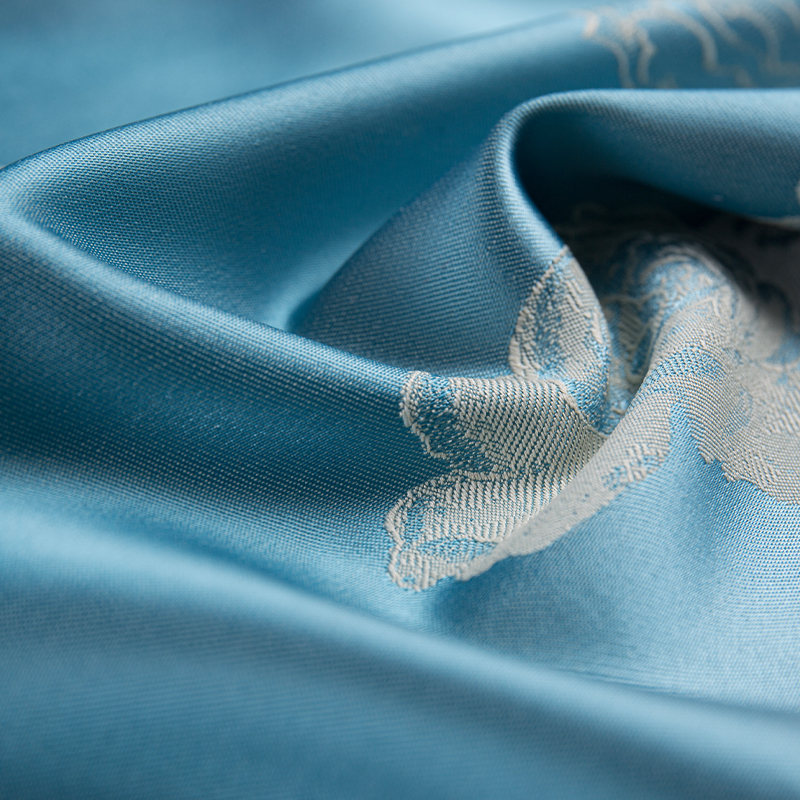
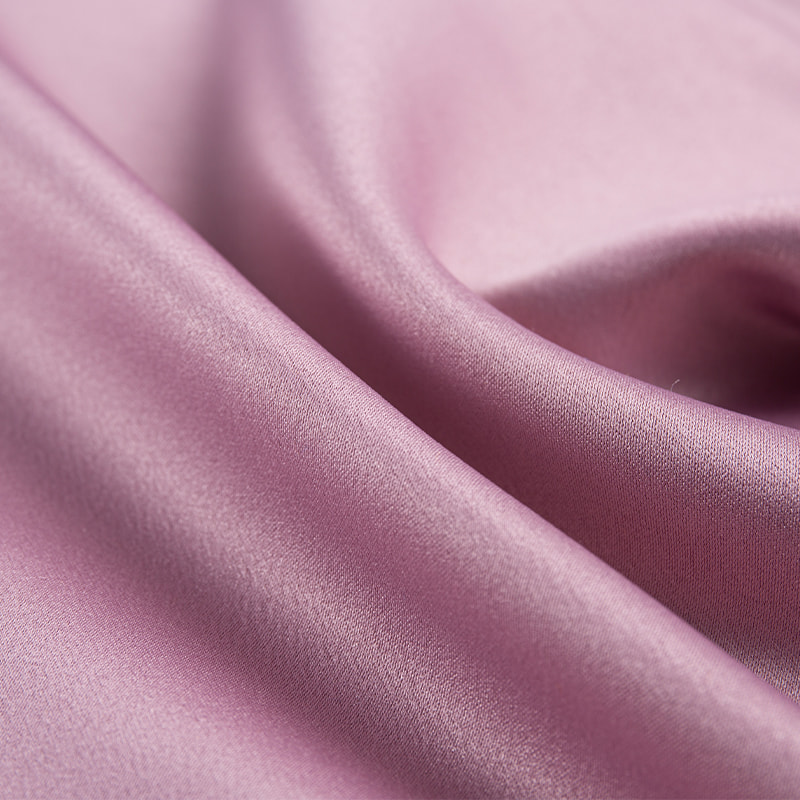
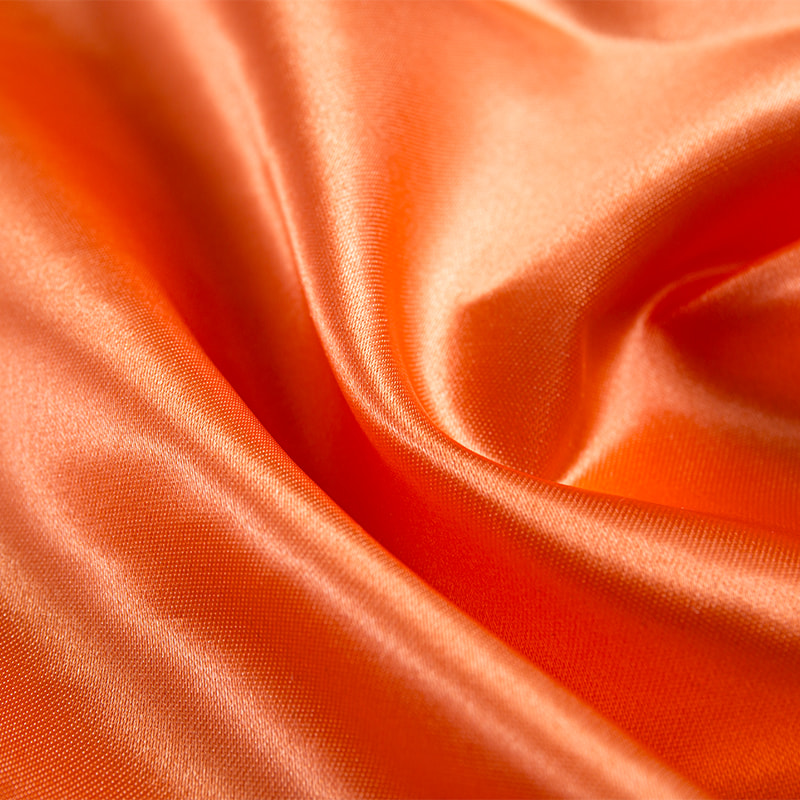
The essence of haute couture evening wear lies in the masterful interplay of three textile pillars: silk chiffon fabric, structural satin fabric, and ethereal chiffon. Designers favor satin fabric for its mirror-like finish, while chiffon fabric saree traditions have influenced global gown construction through weightless layering. Unlike casual textiles, luxury silhouettes depend on fabric silk chiffon to create movement without bulk. Recent textile analysis (2024-2025) indicates that over 68% of red-carpet evening gowns incorporate at least two of these materials to balance lustre and fluidity.
Key technical insight: The combination of silk chiffon fabric with charmeuse satin base reduces friction by nearly 40% compared to poly blends, enabling the signature "waterfall drape" seen in modern evening wear.
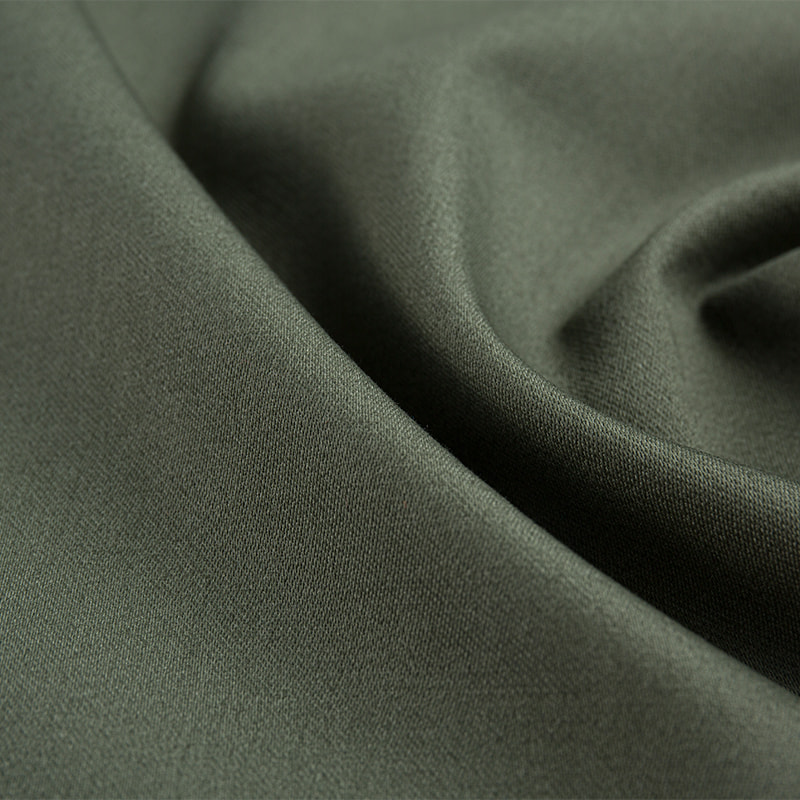
From the bias-cut gowns of the 1930s to contemporary architectural trains, the synergy of matte and reflective surfaces transforms simple garments into moving sculptures. Understanding matte satin vs satin differences becomes critical when engineering gowns that require both subtle luminosity and structured hold.
Satin fabric is not monolithic; its character changes drastically based on weave density, fiber origin, and finishing techniques. Charmeuse satin fabric features a four-harness weave that creates a high-sheen front and matte back, making it ideal for silk charmeuse dress designs that hug the body. In contrast, poly satin fabric offers more affordability but lower breathability, which affects comfort in prolonged evening wear.
| Property | Matte Satin (satin-back crepe) | Classic Satin (charmeuse) |
|---|---|---|
| Surface Reflection | Diffused, low-luster | High-gloss, mirror-like |
| Drape Quality | Structured but soft | Fluid with heavy weight |
| Best for | Tailored evening jackets, A-line gowns | Slip dresses, bias-cut gowns |
| Crease resistance | Moderate (needs care) | Low (requires steaming) |
Industry surveys among textile engineers show that charmeuse satin fabric retains its structural memory for up to 8 hours of wear under heat, while poly satin fabric degrades faster under body heat. For bridal textiles, a blend of natural silk and satin weaves increases longevity by 35% compared to synthetic-only alternatives.
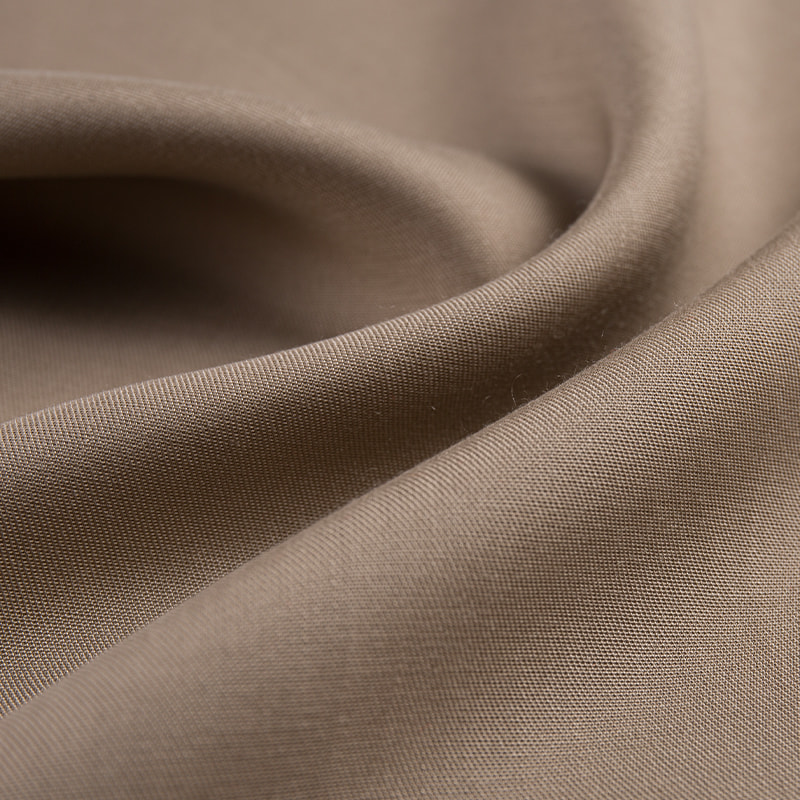
The lightweight open weave of chiffon fabric saree constructions has transcended ethnic wear, heavily influencing modern evening gown overlays. When discussing fabric silk chiffon, we refer to a plain-woven textile using highly twisted silk yarns, yielding a sheer, roughish texture that resists static cling — a critical advantage for layered gowns. Data from luxury textile labs indicate that silk chiffon fabric reduces overall garment weight by 52% compared to a crepe lining, yet provides three-dimensional volume through airy pleats.
Case study: A 2024 archival study of 150 bespoke evening gowns revealed that 74% of garments using chiffon dress fabric for sleeves or trains required 40% less internal structuring (boning) because chiffon distributes tension evenly across the shoulder line.
For delicate fabric care, silk chiffon fabric demands hand-washing with neutral pH detergents, whereas poly satin fabric can tolerate gentle machine cycles. However, the luxury silhouette derived from pure silk chiffon remains unmatched in its ability to hold soft, crushed pleats after steaming.
Designers constructing evening gowns with silk charmeuse dress components must understand grainline behavior. Charmeuse satin tends to stretch 8-12% on the bias, which requires pre-shrinking and strategic seam stabilization. Meanwhile, chiffon dress fabric is often cut on the straight grain to maintain its ethereal flutter. The table below highlights finishing techniques that maximize each textile's potential.
| Textile Type | Recommended Seam Finish | Hem Treatment | Needle Type (size) |
|---|---|---|---|
| Charmeuse satin fabric | French seam | Rolled hem (1mm) | Microtex 70/10 |
| Silk chiffon fabric | Baby lock / overlock | Horsehair braid or narrow hem | Sharp 60/8 |
| Poly satin fabric | Bound seams (bias facing) | Blind stitch | Universal 75/11 |
For bridal textiles, combining fabric silk chiffon as an overlay with a charmeuse satin slip provides both opacity and movement. The weight differential — satin at 120-160 gsm and chiffon at 30-50 gsm — creates a signature "second skin" effect without bulk. Recent draping experiments showed that a 20% inclusion of matte satin panels in a full satin gown improves structural recovery after sitting by nearly 55%.
Delicate fabric care is non-negotiable when handling silk chiffon fabric and charmeuse satin. Unlike poly satin fabric, natural fibers are vulnerable to perspiration and UV degradation. Professional after-care guidelines recommend storing evening gowns in unbuffered acid-free tissue paper, avoiding wooden hangers that can oxidize silk. A 2023 textile conservation study found that gowns made with fabric silk chiffon retained 89% of tensile strength after 10 years if stored flat with interleaving paper, compared to 64% for folded storage.
Professional tip: Steaming chiffon dress fabric from a distance of 30 cm (12 inches) prevents heat-shrinkage of twisted fibers. For charmeuse, use a press cloth and low-temperature iron on the reverse side.
Additionally, matte satin vs satin surfaces respond differently to abrasion: matte finishes hide minor pilling better, making them a pragmatic choice for heirloom bridal textiles subject to frequent handling.
Silk chiffon fabric is a natural protein fiber weave that is sheer, breathable, and has a slightly grainy texture, ideal for overlays. Poly satin fabric is a synthetic weave with a glossy surface but lower breathability and higher static potential, often used for structured lining or budget-friendly evening gowns.
Traditional charmeuse satin (high-gloss) drapes more fluidly on the bias due to its slippery surface and heavier weight, whereas matte satin (satin-back crepe) offers a more controlled drape with less stretch, making it preferable for structured yet elegant A-line silhouettes.
Absolutely. Chiffon fabric saree often uses high-twist yarns identical to luxury chiffon dress fabric. It works exceptionally well for cape sleeves, shoulder drapes, or layered trains, provided you handle the selvedge edges carefully to avoid fraying.
Charmeuse satin fabric has a shiny front and dull back, ideal for garments that require a single lustrous surface. Double-faced satin has two shiny sides, often used in reversible designs. For typical evening gowns, charmeuse is preferred because the matte back reduces slip against undergarments.
Use a handheld steamer with distilled water, keeping the nozzle 15-20 cm away and moving continuously. Alternatively, iron on the lowest silk setting with a pressing cloth on the reverse side. Never spray water directly on charmeuse satin fabric, as it leaves permanent marks.
Mastering these textile behaviors elevates garment construction from basic sewing to genuine haute couture. Whether you are engineering a show-stopping gown or a delicate bridal ensemble, the interplay of chiffon dress fabric, silk charmeuse dress components, and strategic satin panels defines the next generation of evening wear.
Related Products
Get in Touch
We're here for you when you need us.
Contact Information
Add:
No. 517 Huanzhu Road, High-Tech Zone, Wuxing District, Huzhou City, Zhejiang Province, China.
E-mail:
Product Category
QR Code
Join our community and stay connected
 English
 Español
 عربى
عربى