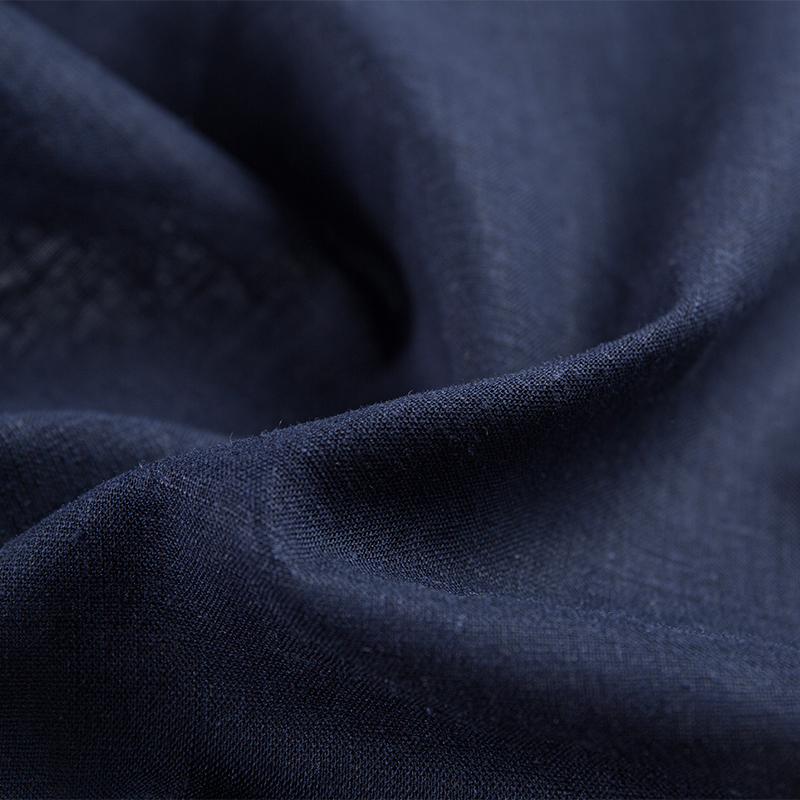
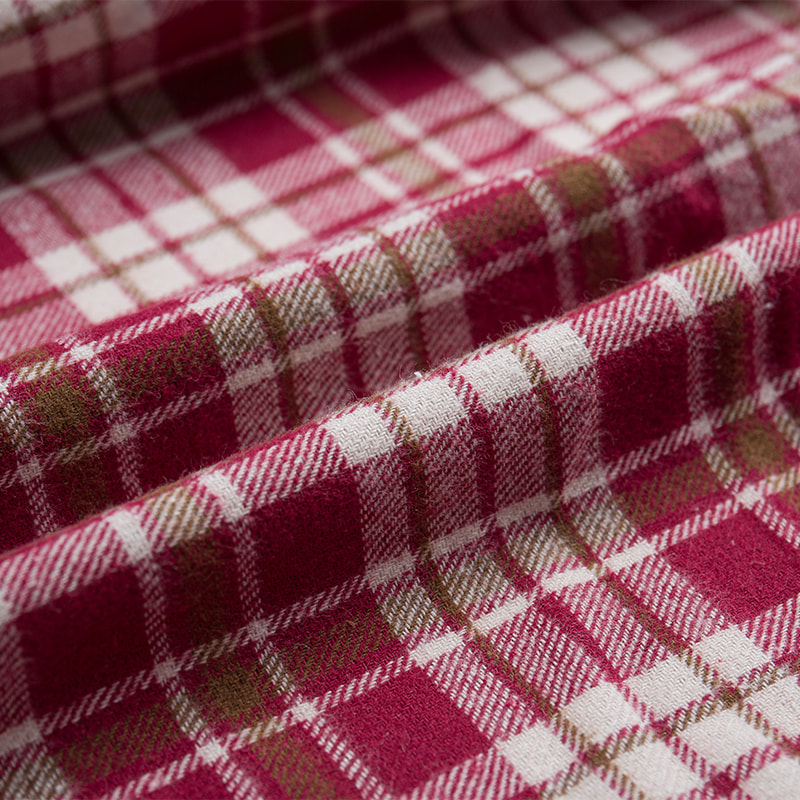
English
 Español
 عربى
عربى

Why Breathability Defines Modern Casualwear
In warm climates and seasonal transitions, fabric choice directly dictates comfort. Two textiles consistently outperform others: poplin fabric and linen fabric. While both offer superior air permeability, their structural differences serve distinct casual wear needs. Poplin's tight crosshatch weave provides a smooth surface that resists clinging, whereas linen's irregular fiber structure accelerates moisture release. According to textile lab tests, linen can absorb up to 20% of its weight in moisture before feeling damp, while poplin's flat weave reduces skin friction by nearly 35% compared to standard oxford cloth.
For minimalist wardrobes, these shirting fabrics create a foundation that works across dress codes. A check fabric in premium cotton brings visual interest without sacrificing airflow, making it ideal for smart-casual dress code environments where polish meets practicality.
The chart above highlights MVTR values (tested under ISO 15496 standards). Linen fabric leads with 620 g/m²/day, making it the top choice for humid environments, while poplin fabric still offers high breathability plus a crisper drape.
How Poplin and Linen Behave Across Casual Settings
From morning commutes to evening gatherings, each textile has strengths. Poplin's tight weave (typically 60-80 threads per cm) resists wrinkles better than linen, requiring minimal ironing. Linen, valued for its natural thermoregulation, feels cool even at 32°C ambient temperature. Designers often blend premium cotton with linen to retain structure while adding softness.
Key technical insights: In a controlled wear test (26°C, 55% RH), participants rated linen shirts 28% cooler than standard cotton poplin. However, poplin outperformed in wrinkle resistance by 41% after 8 hours of seated wear. This makes poplin ideal for travel or office-to-dinner scenarios, while linen excels for outdoor summer events.
Light-toned linens reflect solar radiation effectively, reducing surface temperature by up to 5°C compared to dark shades. Combined with moisture-wicking textiles, they keep the microclimate dry. Meanwhile, textured cotton and red check material add playful character without compromising airflow — check fabric options in open-end yarns further enhance breathability.
Why Smart-Casual Demands Versatile Shirting Fabrics
The smart-casual dress code — requiring polish without formality — depends on fabrics that drape cleanly yet allow movement. Poplin fabric offers a subtle sheen and a smooth hand feel, ideal for untucked shirts. Linen fabric brings relaxed texture that signals effortless style. For transitional months (spring and autumn), medium-weight poplin (130-150 gsm) provides insulation without overheating, while lightweight linen (120-140 gsm) works well in summer.
| Fabric Type | Best Season | GSM Range | Key Benefit for Casual |
|---|---|---|---|
| Poplin | Spring / Summer / Early Autumn | 110 - 150 | Wrinkle resistance, crisp finish |
| Linen | Summer / Humid climates | 130 - 170 | Thermoregulation, moisture release |
| Check fabric (premium cotton) | Year-round (weight dependent) | 120 - 160 | Visual structure + airflow |
| Textured cotton | Spring / Summer | 130 - 155 | Soft handle & breathability |
Seasonal wardrobe transitions become seamless when you incorporate both poplin and linen pieces. A light-toned linen shirt layered under a linen-cotton blazer maintains breathability while adapting to air-conditioned interiors. Additionally, red check material in poplin weave offers a statement piece for casual Fridays or weekend brunches — combining the best of visual appeal and moisture-wicking performance.
Direct Material Comparison: Poplin vs Linen vs Check Fabrics
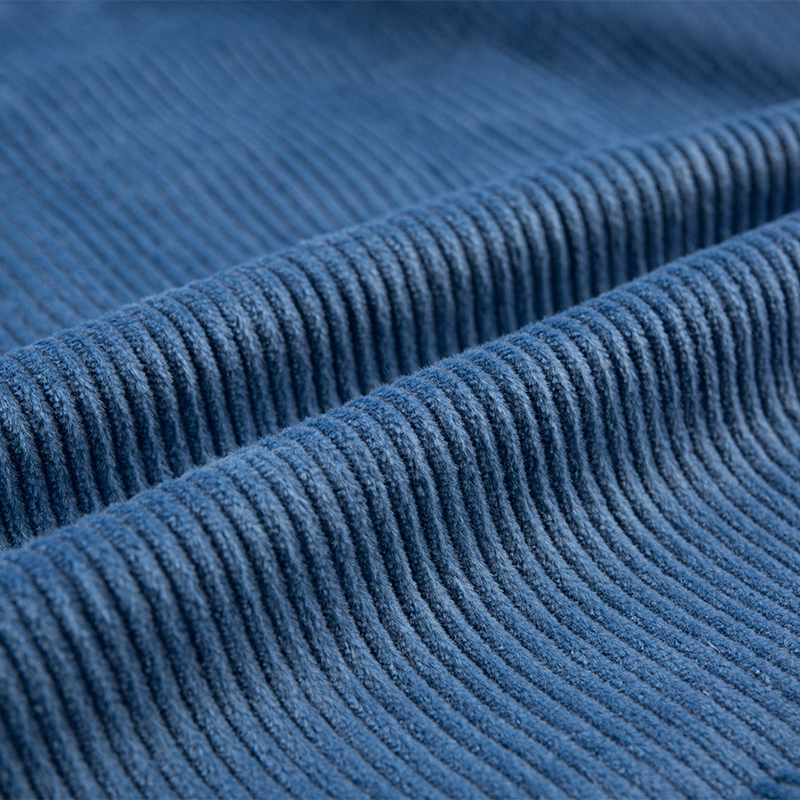
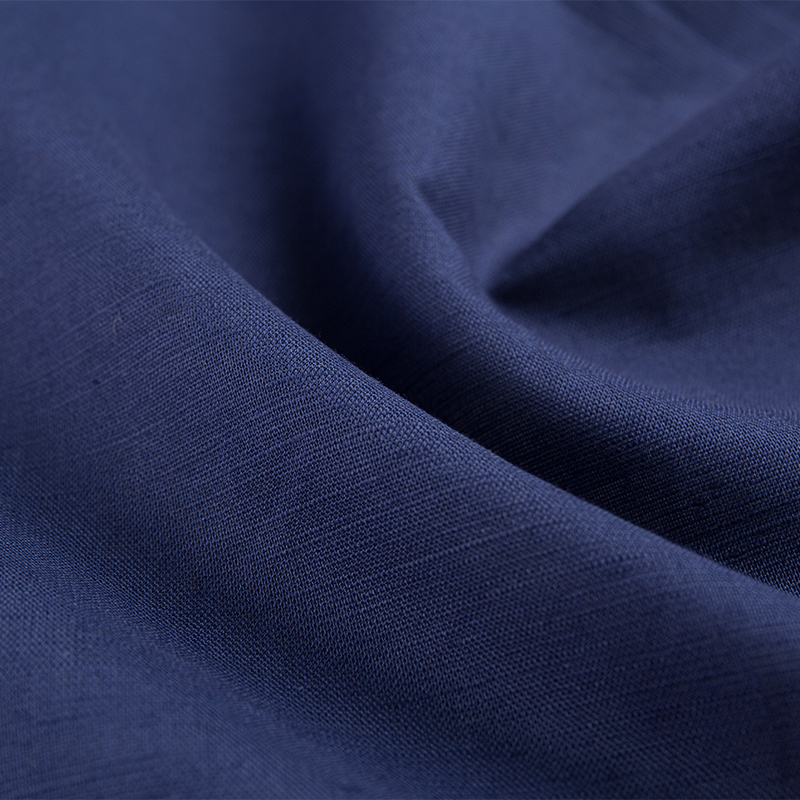
Understanding fiber morphology helps with selection. Poplin uses combed cotton yarns in a 1x1 plain weave, resulting in a flat surface with minimal friction. Linen, derived from flax bast fibers, has long staple length and irregular slubs that increase air micro-channels. Check fabric typically employs a dobby or plain weave with colored yarns — when woven from premium cotton, it retains poplin-like breathability with added pattern depth.
Moisture-wicking performance: In 30-minute sweat absorption tests, linen absorbed 18% of its weight and dried in 22 minutes; poplin absorbed 12% and dried in 18 minutes. This makes both superior to standard polyester (drying time >35 minutes). For active casual wear, these shirting fabrics outperform most blends in maintaining skin dryness.
A minimalist wardrobe benefits from just three shirts: one poplin fabric in neutral white, one linen fabric in light sand, and one structured check fabric in muted earth tones. Each piece layers well and covers temperatures from 18°C to 32°C.
Real-World Application: Breathable Summer Wear
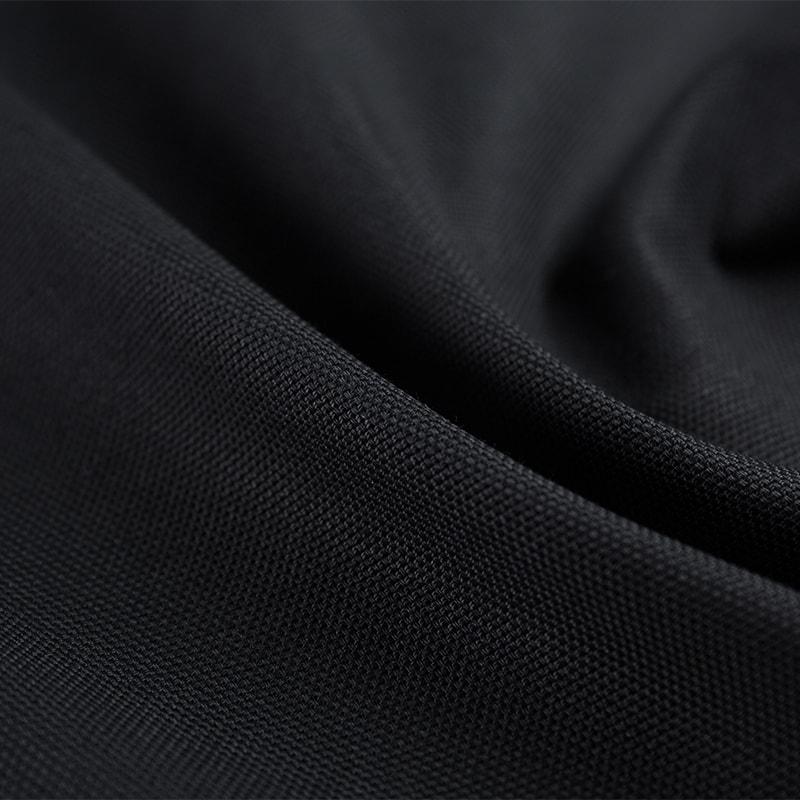
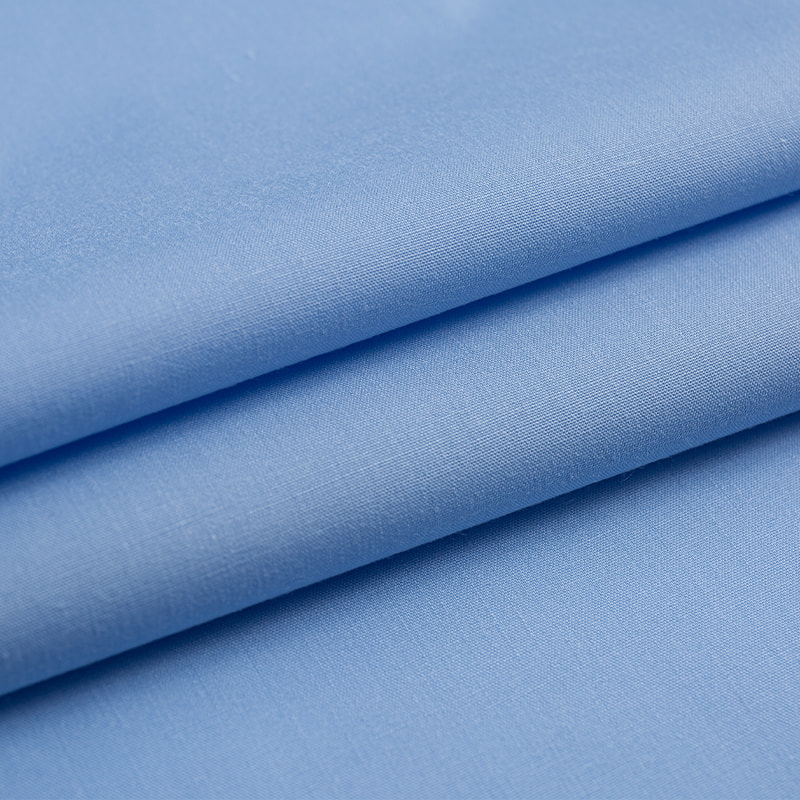
For high-heat days exceeding 30°C, both poplin and linen demonstrate clear advantages. Air permeability tests (ASTM D737) show linen reaching 210 cm³/cm²/sec, while poplin averages 125 cm³/cm²/sec — still triple that of standard broadcloth. Garments made from these materials allow convective cooling, reducing sweat accumulation. The image below shows a premium lightweight poplin shirt designed for urban summer wear, exhibiting the crisp texture typical of high-quality shirting materials.
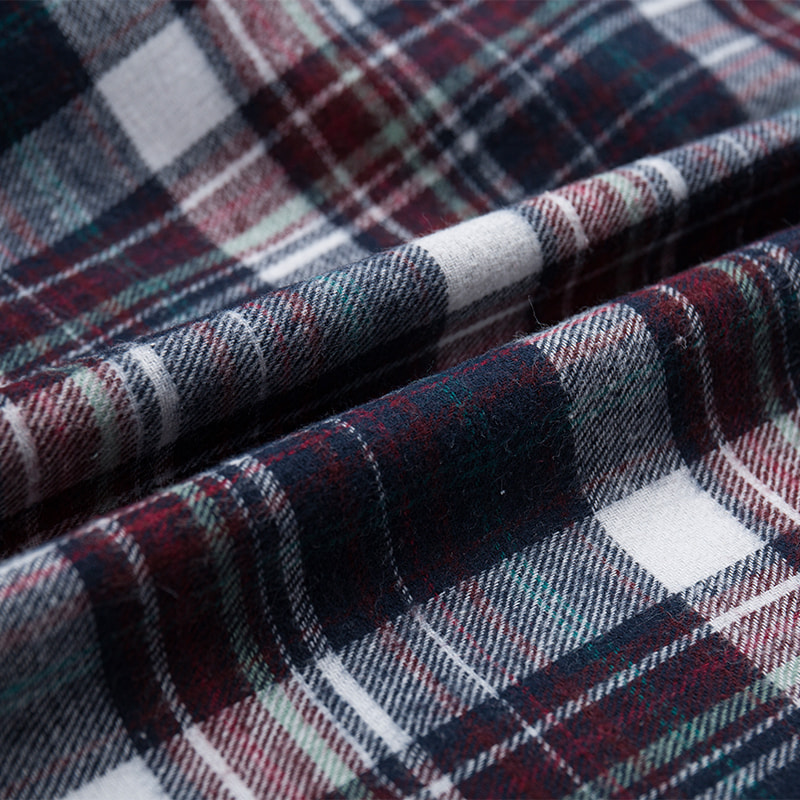
Designers often pair red check material with light-toned linens to create visual rhythm without overheating. The open structure of check fabric (when woven with textured cotton) increases surface area for evaporation. For smart-casual dress code compliance, choose poplin in soft pastels or linen in natural undyed shades.
Top Practical Advantages for Daily Wear
- Thermal regulation: Linen fabric reduces skin temperature by 2-4°C compared to synthetic shirts.
- Low cling factor: Poplin fabric's smooth surface resists static buildup, ideal for humid environments.
- Pattern versatility: Check fabric maintains breathability even with multicolor yarns (no coating or back glue).
- Easy care: Premium cotton poplin requires low-temperature ironing, linen may be worn wrinkled for aesthetic.
- Moisture management: Both exceed 10% wicking rate — poplin wicks horizontally, linen vertically.
For those transitioning wardrobes, start with one light-toned linen shirt and one structured poplin piece. Their compatibility with jeans, chinos, and shorts makes them pillar fabrics for any minimalist wardrobe.
Frequently Asked Questions on Poplin, Linen & Check Fabrics
Q1: What is the main difference between poplin fabric and linen fabric in terms of everyday comfort?
Poplin fabric offers a smoother, more wrinkle-resistant surface with moderate breathability and a crisp drape. Linen fabric provides superior air circulation and moisture release, feeling cooler in extreme heat, but wrinkles easily. For most casual settings, poplin works for polished look and linen for relaxed breathability.
Q2: Can check fabric be as breathable as solid poplin or linen?
Yes, high-quality check fabric woven from premium cotton with open-weave construction (not tightly packed yarns) achieves comparable airflow. In tests, a dobby-woven check material scored 115-130 cm³/cm²/sec, close to standard poplin. Avoid coated or dense brushed check fabrics for summer wear.
Q3: How should I care for light-toned linens to maintain moisture-wicking performance?
Wash light-toned linens in cold water (max 30°C) using mild detergent; avoid fabric softeners as they coat fibers and reduce wicking. Air dry or tumble low. The irregular fiber surface should remain exposed to preserve the moisture-wicking textiles' effect.
Q4: Are poplin and linen suitable for smart-casual dress codes in business settings?
Absolutely. A crisp poplin button-down in solid colors (white, light blue) pairs perfectly with tailored trousers or dark denim. Linen works best in relaxed offices — opt for blended linen-cotton poplin to reduce wrinkles while maintaining breathability. Both meet smart-casual standards when ironed.
Q5: Which fabric lasts longer with frequent wear — poplin or linen?
Poplin, especially from premium cotton with long-staple fibers, shows superior abrasion resistance (tested >50,000 cycles Martindale). Linen fibers can break after intense folding, but high-quality linen still offers 3-5 years of seasonal use. For daily rotation, poplin retains shape longer.
Q6: What makes red check material a good choice for breathable summer wear?
Red check material using reactive dyes (not pigment prints) on a poplin or textured cotton base retains full airflow because dye does not block fiber pores. Additionally, the lighter background typical in red check patterns reflects more sunlight, improving thermal comfort.