2026-07-23
Content
Every heavy-duty textile decision eventually comes down to two variables that buyers often overlook: yarn density and weave geometry. A fabric labeled with a denier number tells you how thick the individual filament is, but it says nothing about how tightly those filaments are packed together during weaving. Two rolls of 300d polyester from different production runs can behave completely differently on a sewing line if their thread counts diverge, and this is precisely why procurement teams who only compare denier ratings on a spec sheet frequently end up disappointed with the finished product.
Weave structure changes how a fabric distributes stress. A plain weave spreads tension evenly across a grid of interlaced threads, which is efficient for lightweight liners but tends to show wear at contact points sooner than a basket or twill weave. Twill weaves, recognizable by their diagonal rib pattern, stagger the interlacing points so that no single thread bears repeated abrasion in the same spot. This is the underlying reason why fabrics marketed for workwear, luggage, and outdoor gear rarely use plain weaves once the intended use involves dragging, folding, or repeated flexing.
A textile's real-world durability is rarely determined by denier alone. Coating quality, yarn twist, and finishing treatment often matter more than the raw filament thickness printed on the label.
Yarn twist is another variable that rarely appears on a basic spec sheet but has a measurable effect on how a fabric ages. A tightly twisted yarn resists fraying at cut edges and holds its shape under repeated flexing, while a loosely twisted yarn of the same denier can start to fuzz and pill at contact points within a much shorter service window. Buyers who request physical swatches rather than relying on paper specifications are typically better positioned to catch these differences before committing to a production run, since twist tightness is something that can be felt and visually inspected but is difficult to communicate accurately in a written specification alone.
Finishing treatments applied after weaving add a further layer of variation. Calendering, which presses the fabric surface under heat and pressure, can close up small gaps between yarns and improve water resistance without any additional coating. Brushing, by contrast, raises the fiber surface for a softer hand feel but slightly reduces abrasion resistance at the surface level. Understanding which finishing step has been applied to a given roll of fabric often explains performance differences between two textiles that otherwise share identical denier and weave specifications.
600d polyester waterproof fabric sits in a middle ground that buyers frequently misunderstand. The 600 denier figure describes the linear mass of the filament yarn, not the fabric's water resistance directly. Water resistance in this category comes almost entirely from the applied backing, typically a polyurethane or PVC coating laminated to the reverse side of the woven face. Without that coating, a bare 600 denier weave will absorb moisture readily; with it, hydrostatic head ratings can reach levels suitable for light rain exposure, splash protection, and short-duration ground contact.
Manufacturers commonly pair 600 denier yarn with a plain or basket weave because the thicker filament already provides reasonable bulk and rigidity without needing a complex weave to add body. This makes it a practical choice for bags, equipment covers, and outdoor furniture panels where the fabric needs to hold its shape under load rather than drape softly.
| Coating | Water Resistance Level | Flexibility in Cold | Typical Lifespan |
|---|---|---|---|
| PU (Polyurethane) | Moderate to High | Good | 3 to 5 years |
| PVC | High | Stiffens in cold | 5 to 8 years |
| Silicone | High, breathable | Excellent | 4 to 6 years |
| Wax-based | Low to Moderate | Good | Requires reapplication |
Buyers sourcing 600 denier material for anything left outdoors long-term should ask for the coating's abrasion rating separately from its water column rating, since these two properties degrade at different speeds. A coating can still repel water while the surface finish has already cracked from UV exposure, which quietly shortens the fabric's usable life even though it still passes a simple water test.
Seam construction also plays a role that is easy to overlook when evaluating 600 denier waterproof fabric in isolation from the finished product. Even a fabric with an excellent coating will leak at stitch holes unless those seams are taped or sealed separately, since the sewing needle perforates the coating along every stitch line. Products that specify a high hydrostatic head rating for the base fabric but skip seam sealing will still underperform in sustained rain, which is a common gap between laboratory fabric testing and finished-product field performance.
300d polyester occupies the lighter end of the heavy-duty spectrum. It is thick enough to resist casual snagging and light abrasion, yet flexible enough to be sewn into curved panels, garment bags, and organizer compartments without the stiffness that heavier deniers introduce. This makes it a frequent choice for interior linings, secondary compartments, and products where weight savings matter as much as toughness.
The tradeoff is straightforward: as denier drops, tear strength and puncture resistance drop with it. A 300 denier fabric will generally show visible wear sooner than 600 or 900 denier equivalents under identical abrasion cycles, though it will also weigh less and fold more compactly. Selecting between these deniers is less about which one is objectively better and more about matching the fabric to the mechanical stress the finished product will actually see.
Rather than defaulting to the heaviest available denier, it helps to map the fabric to three questions: how often will the surface contact abrasive ground or hard edges, how much folding or flexing will the panel undergo during normal use, and does the application need the fabric to hold a rigid shape or drape. Answering these before specifying a denier prevents the common mistake of over-speccing weight that adds cost without adding meaningful durability for the actual use case.
Cost is often the deciding factor once durability requirements have been established, and denier has a fairly direct relationship with raw material cost since more polymer is used per linear meter of yarn. Moving from 300 denier to 600 denier for an entire product line can meaningfully increase material cost across a large production run, even though the visual difference between the two fabrics on a small swatch may look minor. This is why experienced buyers frequently mix deniers within a single product, using heavier fabric only on the panels that see the most ground contact or friction while keeping lighter 300 denier fabric on interior or low-stress panels to control overall material cost without sacrificing durability where it matters most.
oxford cloth refers to a basket weave construction where two or more yarns are grouped and woven together as a single unit, rather than the single-thread interlacing used in plain weave. This grouped structure creates a textured, slightly raised surface that resists snagging better than a flat plain weave of the same yarn weight, and it is one reason oxford constructions show up frequently in bag bases, shoe uppers, and outdoor upholstery.
Because the basket weave groups threads together, oxford fabrics can achieve a denser, more opaque surface at a lower overall fabric weight compared to achieving the same opacity through a plain weave. This efficiency is part of why oxford cloth is often positioned as a mid-weight option that balances cost, weight, and durability rather than maximizing any single property.
| Variant | Yarn Grouping | Typical Use |
|---|---|---|
| Basic Oxford | 2x1 | Bag panels, garment backing |
| Nylon Oxford | 2x2 | Outdoor gear shells |
| Poly Oxford | 2x2 or 3x1 | Upholstery, covers |
Buyers evaluating oxford cloth samples should check the tightness of the weave under light stretching. A loosely woven oxford will show visible gapping between yarn groups when pulled diagonally on the bias, which indicates the fabric may loosen further after repeated use and washing, even if it feels acceptably firm in an unstretched sample.
Surface texture also affects how oxford cloth interacts with coatings and prints compared to a smoother plain weave. The slightly raised basket structure can trap a thin layer of coating material within its grooves, which sometimes improves water resistance marginally compared to a plain weave of identical denier, but can also make fine print detail appear less crisp since the ink or dye sits unevenly across the raised and recessed portions of the weave. For products where branding clarity is the priority, a flatter weave is usually preferable, while for products where a slightly textured, more tactile surface is desired, oxford cloth offers a practical middle ground between smooth plain weave and heavily ridged twill.
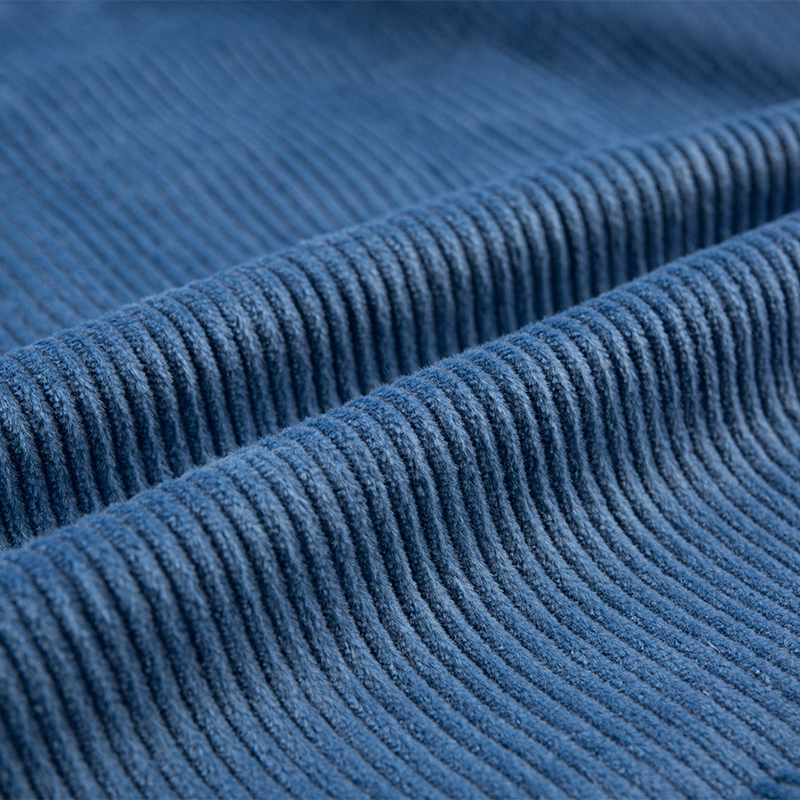
Canvas and twill drill represent two distinct strategies for achieving a heavy-duty textile, and confusing the two often leads to selecting the wrong fabric for a given application. Canvas fabric is a plain weave construction, typically cotton, cotton-poly blend, or full synthetic, that achieves durability through sheer thread thickness and tight packing rather than diagonal interlacing. The result is a stiff, stable surface that holds its shape well and is comparatively simple to print or coat evenly, which is why it remains common in tote bags, tarpaulins, and structured upholstery panels.
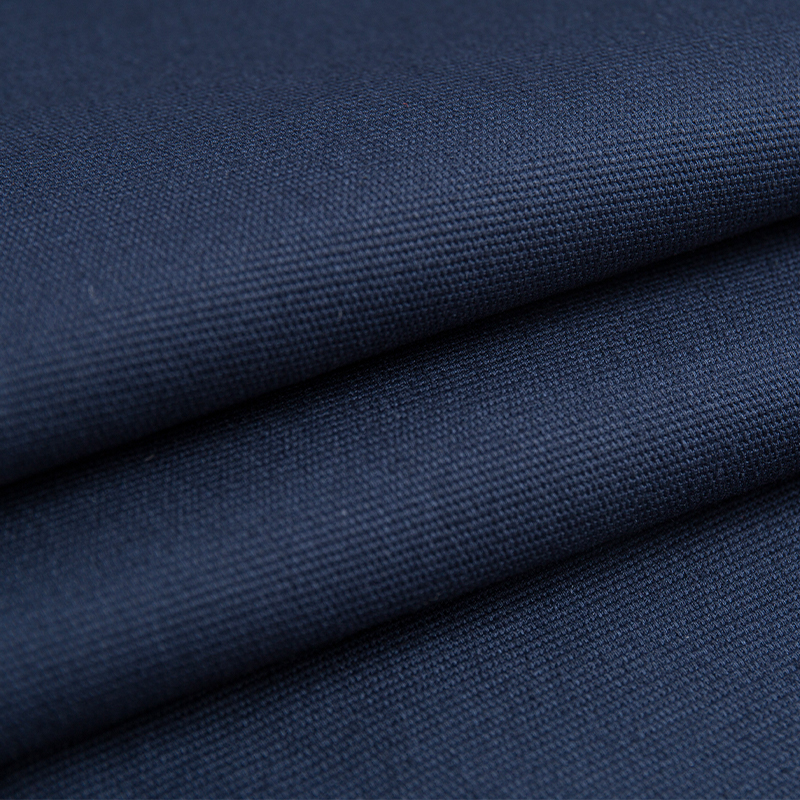
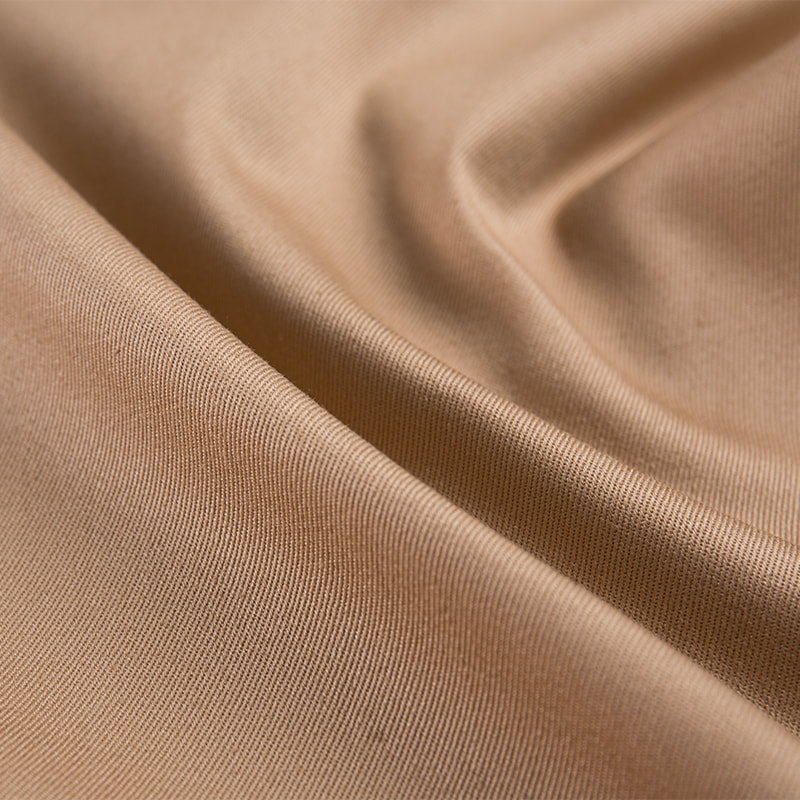
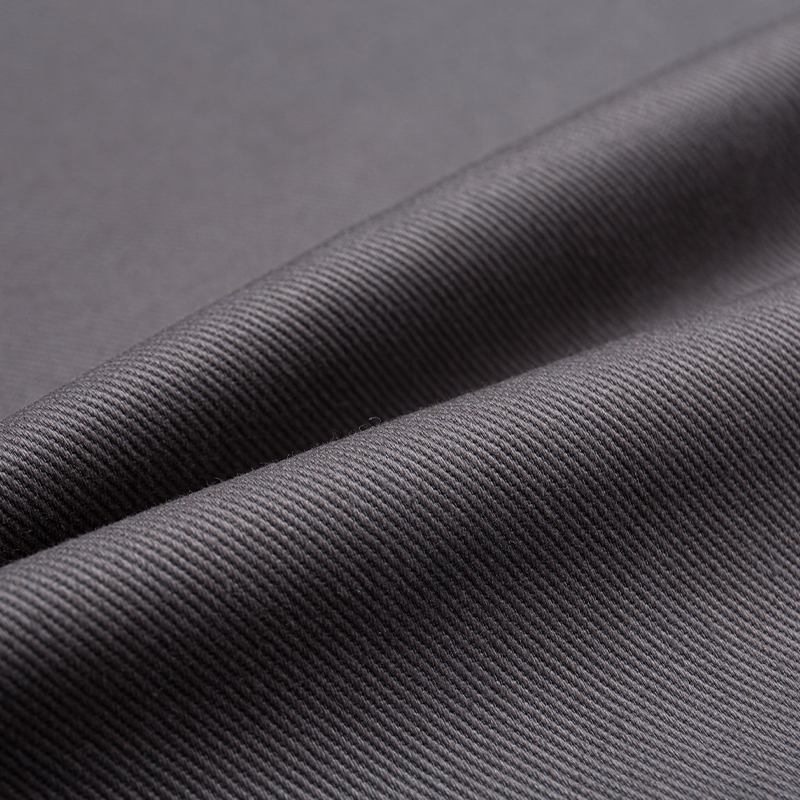
Twill drill fabric takes the opposite approach. Its diagonal twill interlacing pattern distributes wear across a staggered path rather than a fixed grid, which generally gives it better resistance to repeated flexing and abrasion at the same fabric weight compared to plain-woven canvas. Drill fabric also tends to drape somewhat more readily than canvas of comparable weight, which makes it a frequent choice for workwear trousers, uniform fabric, and heavy garment applications where the wearer needs both durability and a degree of movement.
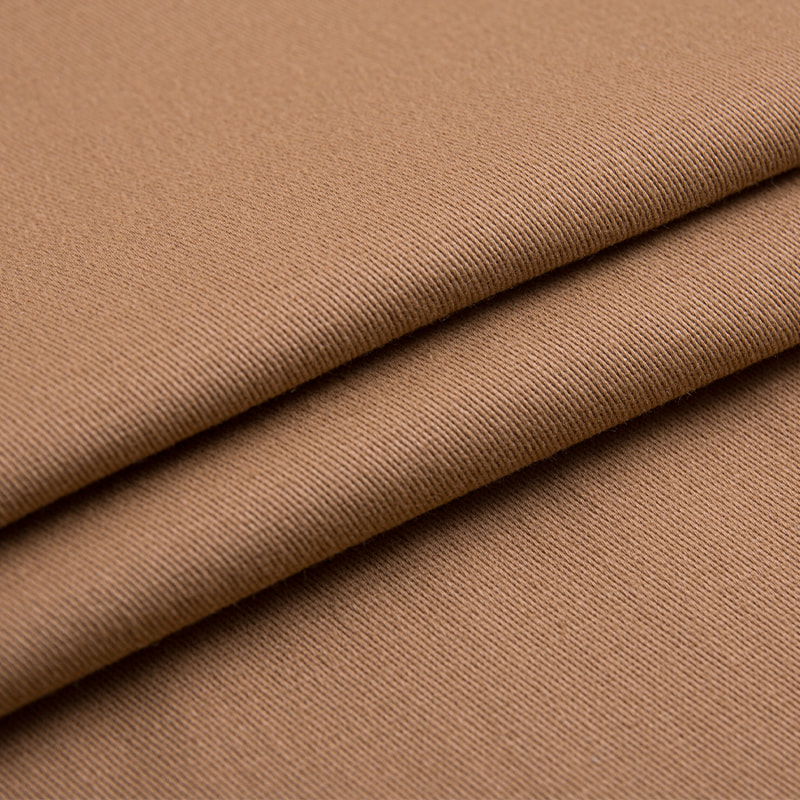
Neither construction is universally superior. Canvas generally outperforms twill drill in dimensional stability and print clarity, since the flat plain weave surface holds ink or coating more evenly than a textured diagonal weave. Twill drill generally outperforms canvas in flex fatigue resistance and drape, since the staggered interlacing tolerates repeated bending without the fiber breakdown that plain weaves can show at fold lines over time. Sourcing teams working with canvas-based upholstery textiles alongside twill garment fabric should treat these as complementary rather than interchangeable materials within the same product line.
The table below consolidates the practical differences across the fabric types discussed so far, focused on the properties that matter most during sourcing decisions rather than laboratory-only metrics.
| Fabric | Base Weave | Relative Weight | Abrasion Resistance | Best Fit |
|---|---|---|---|---|
| 600 Denier Polyester | Plain / Basket | Medium-Heavy | High | Covers, exterior shells |
| 300 Denier Polyester | Plain | Light-Medium | Moderate | Linings, light bags |
| Oxford Cloth | Basket | Medium | High | Bag panels, upholstery |
| Canvas Fabric | Plain | Heavy | High, low flex | Structured bags, tarps |
| Twill Drill Fabric | Twill | Medium-Heavy | High, high flex | Workwear, uniforms |
The diagram below illustrates the structural difference between a plain weave and a twill weave, showing why the diagonal interlacing pattern in twill drill fabric spreads mechanical stress across more contact points than the fixed grid of a plain weave.
A water-repellent finish is different from a waterproof coating, and this distinction causes recurring confusion during sourcing conversations. A repellent finish, most commonly a fluorocarbon or hydrocarbon-based durable water repellent treatment, changes the surface tension of the individual fibers so that water beads and rolls off rather than soaking in. It does not block water passage the way a laminated coating does, which means a fabric can carry a repellent finish and still allow prolonged water exposure to eventually saturate the base yarn.
These finishes wear down through a combination of abrasion, UV exposure, and repeated washing. Most commercial-grade repellent treatments begin losing effectiveness after twenty to thirty wash cycles, at which point beading visibly decreases and the fabric surface starts to look damp rather than shedding water on contact. Reapplication treatments exist for finished products, but they generally do not restore the finish to its original factory-applied performance level.
tensile strength figures on a spec sheet describe the force required to break a fabric sample under controlled pulling conditions, usually reported separately for the warp and weft directions since woven fabrics rarely have identical strength along both axes. A fabric with strong warp-direction tensile strength but weak weft-direction strength will tear more easily along one edge than the other, which matters significantly for products like tarpaulins or bag bottoms where tension is applied unevenly during use.
Tear strength, a related but distinct measurement, describes how easily a small existing tear propagates further once the fabric surface has already been compromised. A fabric can have high tensile strength while breaking down quickly once torn, which is why durable outdoor products are often tested for both properties rather than tensile strength alone.
When comparing tensile strength figures across suppliers, confirm that the testing method and sample width match. Figures generated under different testing standards are not directly comparable even when the units appear identical.
Environmental conditioning before testing also influences the numbers a lab reports. Fabric that has been conditioned in a controlled humidity environment before pulling will often show different tensile results than fabric tested immediately after coming off a production line, since moisture content changes fiber flexibility slightly. Reputable testing protocols specify a conditioning period before measurement for exactly this reason, and buyers comparing figures from two different suppliers should confirm that both followed a comparable conditioning step before treating the numbers as directly comparable evidence of relative durability.
Rather than starting from a fabric name and working backward, sourcing decisions generally go more smoothly when starting from the application's actual mechanical demands.
None of these fabric families are strictly better than the others in an absolute sense. Each represents a different set of tradeoffs between weight, flexibility, abrasion resistance, and surface finish, and the right choice depends entirely on how the finished product will actually be handled and stressed during its service life.
Denier measures the linear mass density of the individual filament yarn, expressed as grams per nine thousand meters of thread. It reflects filament thickness, not fabric weight, weave tightness, or finished durability on its own.
No. The base weave absorbs moisture unless a separate coating, typically polyurethane or PVC, is laminated to the reverse side. Denier alone does not determine water resistance.
Durability depends on the type of stress involved. Canvas generally holds shape and resists puncture better under static load, while twill drill fabric generally resists flex fatigue better under repeated bending or garment movement.
Most commercial-grade repellent finishes begin losing visible effectiveness after roughly twenty to thirty wash cycles, depending on the treatment chemistry and how the fabric is laundered.
Oxford cloth groups two or more yarns together in a basket weave, which creates a raised textured surface, while plain weave interlaces single threads in a flat grid. The grouping in oxford construction changes surface texture and opacity even at equivalent fabric weight.
Related Products
Get in Touch
We're here for you when you need us.
Contact Information
Add:
No. 517 Huanzhu Road, High-Tech Zone, Wuxing District, Huzhou City, Zhejiang Province, China.
E-mail:
Product Category
QR Code
Join our community and stay connected
 English
 Español
 عربى
عربى