2026-07-16
Content
Every embroidered surface begins as a negotiation between fiber, weave, and needle. The ground fabric is not a passive backdrop; it actively governs how thread sits, how tension behaves, and how long a design survives handling, washing, and light exposure. Selecting the right embroidery fabric means matching thread weight, stitch density, and finishing method to the physical properties of the weave itself.
Two ground types dominate structured needlework: woven canvas and plain-weave linen. Each responds differently to needle penetration, moisture, and repeated tension cycles. The table below summarizes core structural differences that influence project outcomes.
| Property | Canvas Ground | Linen Ground |
|---|---|---|
| Typical weave | Even, open mesh | Plain, tight interlace |
| Common count range | 10 to 18 threads per inch | 28 to 40 threads per inch |
| Stiffness | Firm, self-supporting | Soft, drapes naturally |
| Stitch visibility | Bold, raised texture | Fine, flat surface |
| Best suited technique | Needlepoint, tapestry, counted geometric work | Whitework, monogramming, surface embroidery |
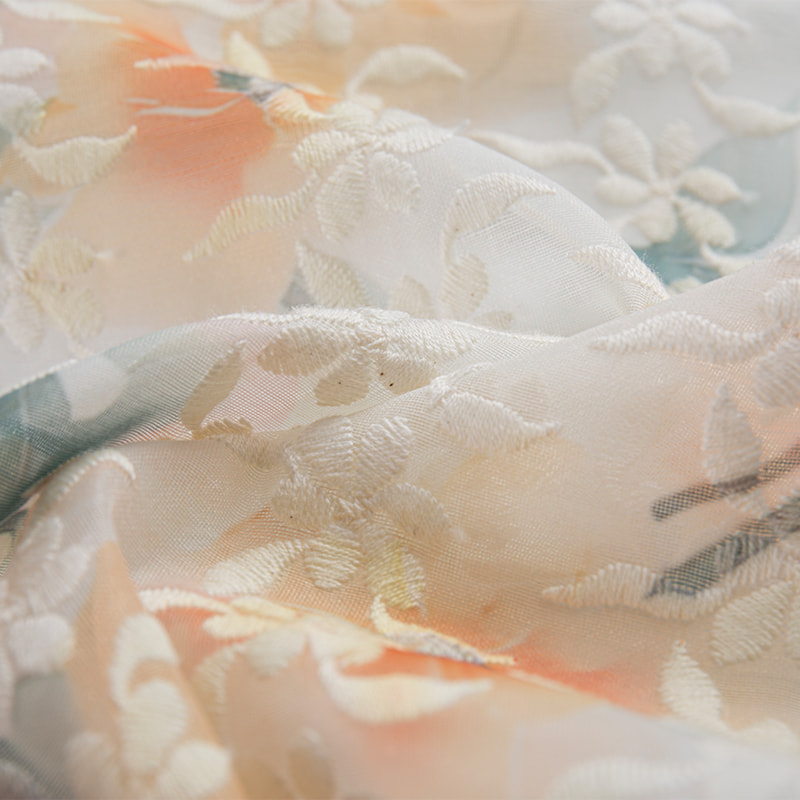
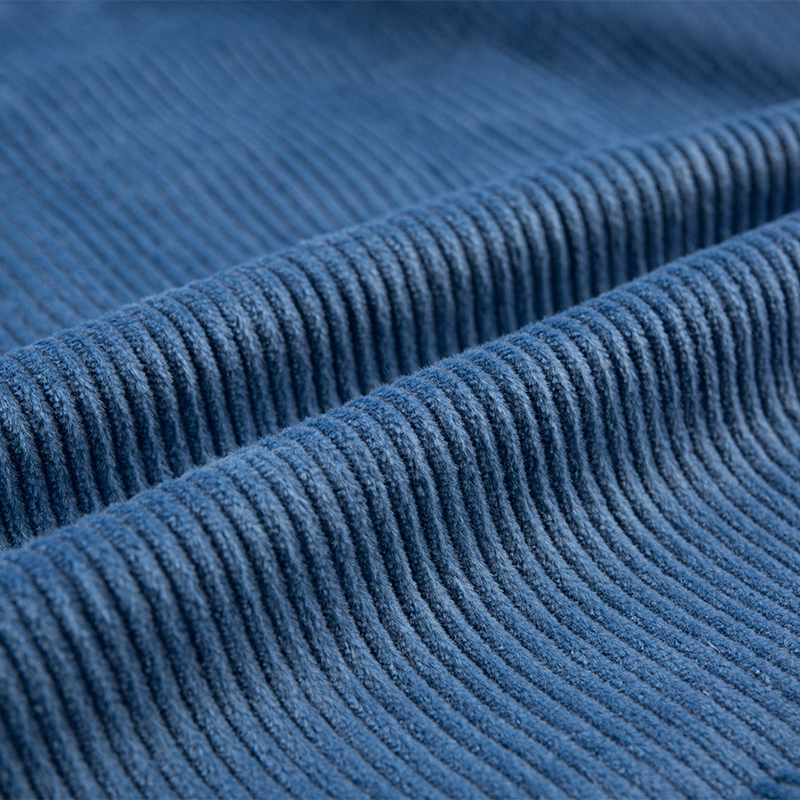
Close weave structure typical of prepared embroidery fabric before stitching begins.
A canvas fabric ground is defined by its open, rigid mesh, built to hold dense fiber coverage without collapsing under repeated needle passes. The interlocking warp and weft threads create visible holes that guide counted stitching, which is why canvas remains the standard ground for needlepoint, tapestry reproduction, and geometric pattern work.
Canvas mesh count directly determines stitch scale. A coarser mesh, around 10 to 12 threads per inch, suits thicker wool or multi-strand cotton coverage and produces bold, textured surfaces visible from a distance. Finer mesh, closer to 16 to 18 threads per inch, allows for detailed shading and portrait-style needlepoint but demands thinner thread plies to avoid overcrowding each intersection.
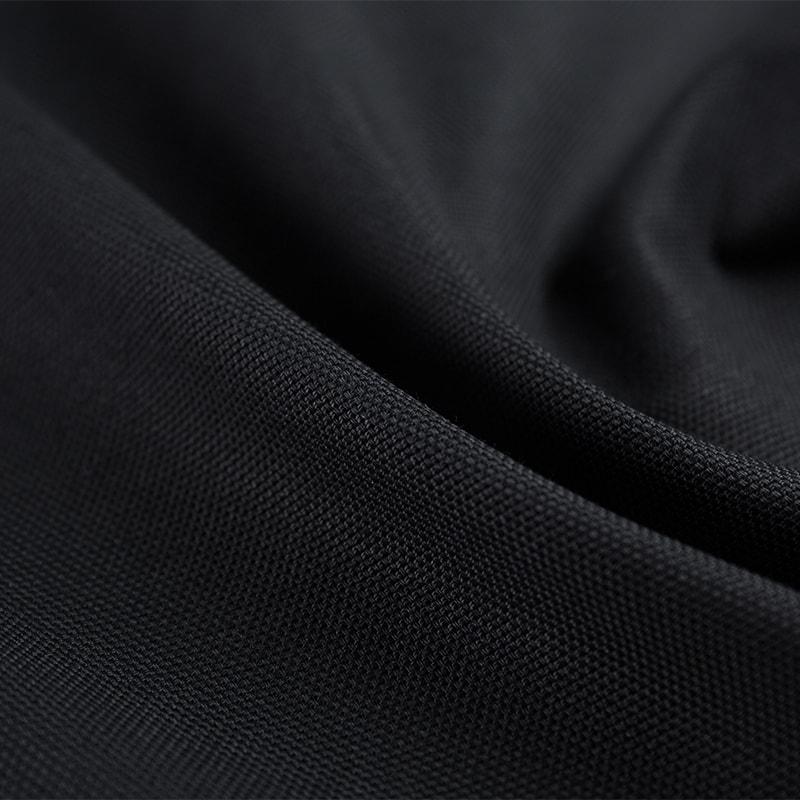
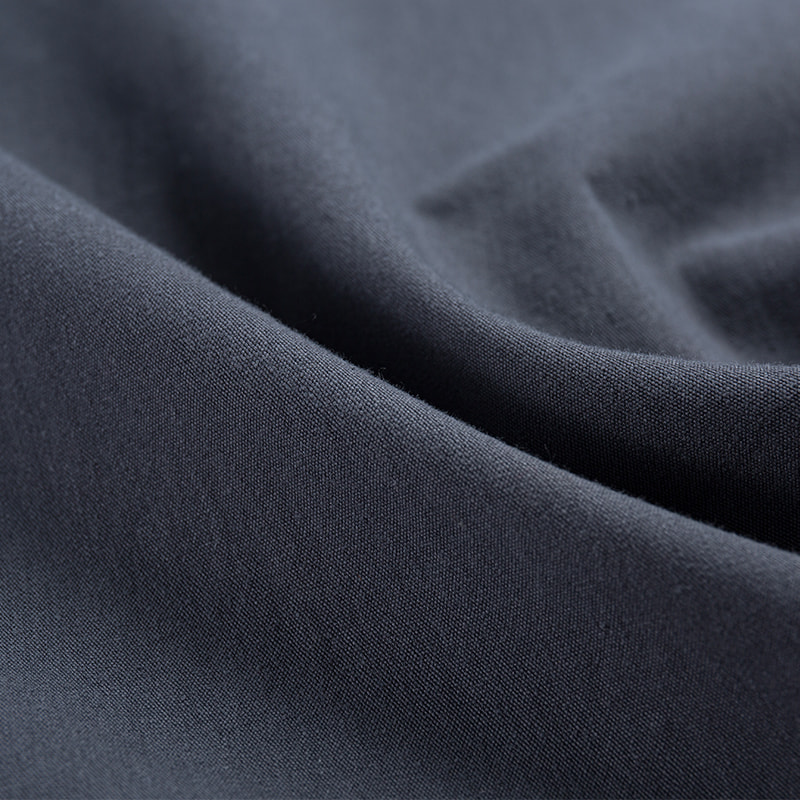
Open mesh canvas structure supports dense, counted stitch coverage.
Linen fabric is spun from flax fiber, giving it a naturally irregular slub texture that distinguishes it from smoother cotton grounds. This irregularity is not a flaw for embroidery purposes; it provides just enough surface friction to hold fine stitches securely while remaining soft enough to drape as finished garments or table linens.
Linen's fiber structure also carries a higher moisture regain than cotton, meaning it absorbs and releases humidity more readily. This property affects how stitched pieces respond to blocking and pressing, and it is one reason linen samplers have historically survived centuries better than many synthetic-ground alternatives.
| Application | Reason Linen Is Preferred |
|---|---|
| Whitework and drawn thread work | Even thread count allows precise counting and pulled-thread patterns |
| Monogramming | Smooth flat finish shows satin stitch sheen clearly |
| Heirloom samplers | Fiber strength and slow degradation support long-term display |
| Garment embellishment | Natural drape avoids stiffness in wearable pieces |
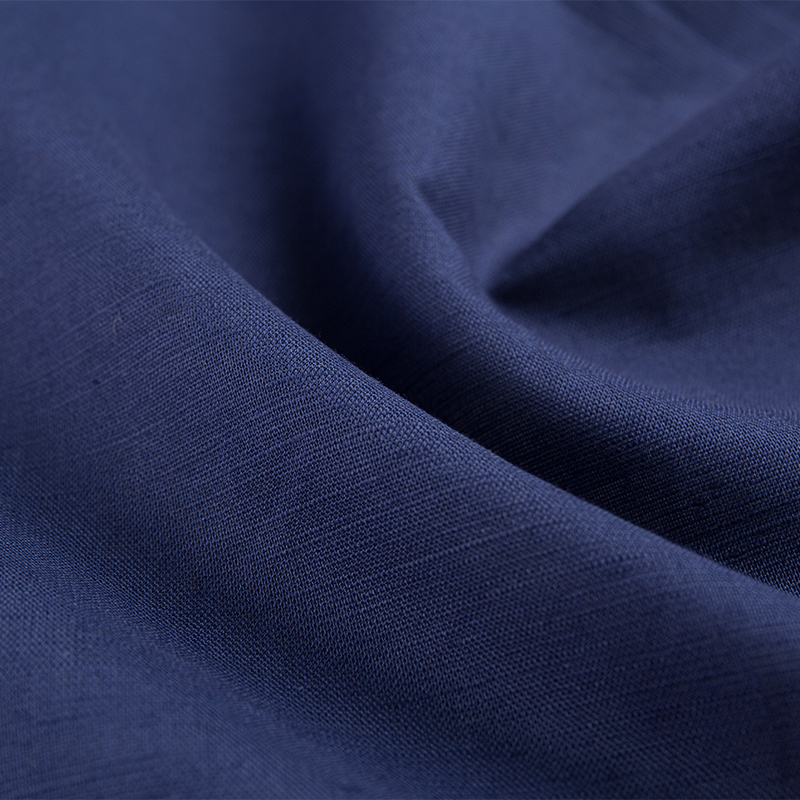
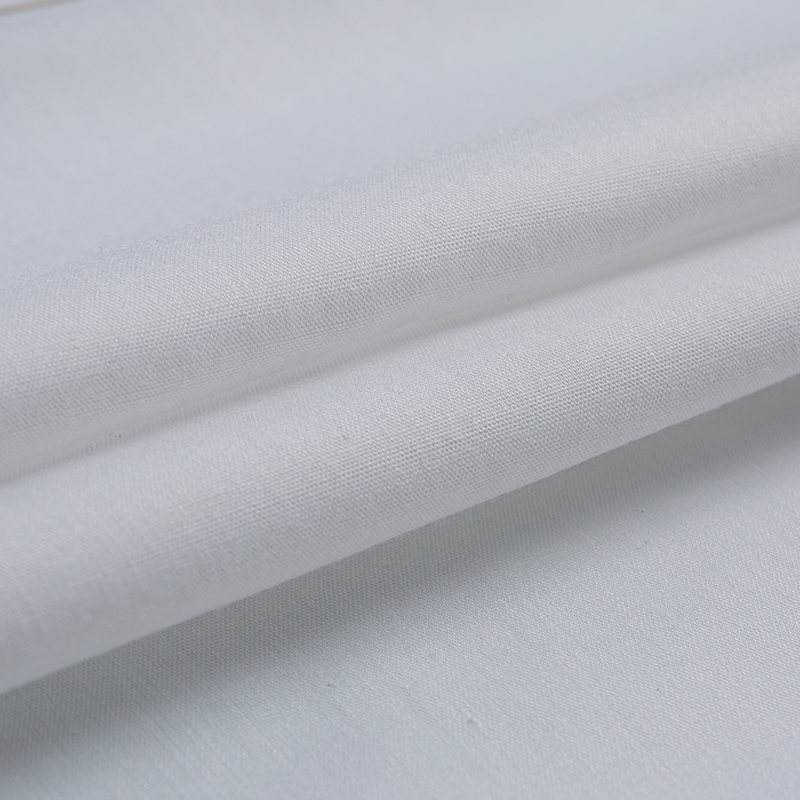
Even-weave linen structure allows precise counted and pulled-thread techniques.
Ground fabric and thread must be evaluated together, since a mismatch in weight or fiber behavior undermines even a well-prepared surface. The following breakdown covers the most common thread categories used across canvas and linen work.
Cotton embroidery thread is the most versatile option for both hand and light machine work. Its matte to semi-gloss finish suits linen grounds particularly well, since the fiber does not compete visually with the natural texture of the weave. Cotton threads are typically sold in stranded skeins, allowing stitchers to separate plies for finer detail or combine them for bolder canvas coverage.
The terms are often used interchangeably, but there is a practical difference. Floss generally refers to a stranded, divisible thread, most commonly six-strand cotton, designed to be split into thinner working widths. Embroidery thread is a broader category that includes non-divisible options such as pearl cotton, machine-weight polyester or rayon, and twisted silk. Understanding this distinction matters when a pattern specifies strand count, since substituting a non-divisible thread for stranded floss will change stitch texture and coverage.
Silk embroidery floss carries a natural sheen and superior dye saturation compared to cotton, making it well suited to fine linen surface work where light reflection enhances stitch detail. Silk has lower abrasion resistance than cotton, so it performs best on smoother, lower-friction grounds rather than coarse or heavily textured canvas.
Black embroidery thread deserves specific attention because dark dye lots are more prone to bleeding during washing than lighter shades. When stitching black thread onto light-colored linen or canvas, a colorfastness test on a scrap swatch before final assembly prevents dye transfer that can permanently discolor the surrounding ground fabric.
For machine embroidery on canvas or linen, thread weight compatibility with the machine's tension system matters as much as fiber type. Machine-rated threads, including those built for home embroidery systems, are typically finer and more uniformly wound than hand-stitching skeins, reducing thread breaks during high-speed stitching. When adapting a hand embroidery design for machine work, verify the ground fabric's weave openness can accommodate the tighter, more repetitive needle penetration of automated stitching.
| Thread Type | Sheen | Best Ground Match | Strand Behavior |
|---|---|---|---|
| Cotton floss | Matte to semi-gloss | Linen, mid-count canvas | Divisible, 6-strand |
| Silk floss | High gloss | Fine linen | Divisible, delicate |
| Pearl cotton | Semi-gloss | Canvas, coarse linen | Non-divisible, twisted |
| Machine-weight thread | Variable | Stabilized canvas or linen | Continuous spool |
Stabilizing prevents distortion during stitching and protects the finished piece from puckering after removal from the hoop. Canvas generally needs less external stabilizer due to its inherent stiffness, while linen, especially lighter weights, benefits from backing support during dense stitch areas.
Tension settings and stitch density should scale with fabric weight and weave openness. Overly dense stitching on a fine linen ground can distort the weave permanently, while insufficient density on coarse canvas leaves the mesh visible through the design.
Consistent tension across a project also depends on how thread is drawn through the ground fabric. Loose tension on canvas produces uneven, loopy stitches that catch on handling, while overly tight tension on linen can pucker the weave and pull surrounding threads out of alignment. Testing tension on a fabric scrap of the same batch before starting the main piece remains the most reliable safeguard against irreversible distortion.
Canvas grounds are the standard choice for wall-mounted needlepoint panels and upholstery-style accent pieces, where rigidity and dense wool or cotton coverage need to withstand years of handling or seating pressure. Their open mesh also makes canvas practical for reproducing detailed geometric or pictorial designs at a large scale without the fabric sagging under stitch weight.
Linen grounds remain the preferred choice wherever drape, softness, and fine detail matter more than structural rigidity. Heirloom sampler work, monogrammed household linens, and garment-integrated embroidery all rely on linen's natural flexibility to remain wearable or displayable without the stiffness canvas would introduce.
Matching ground weave to intended end use, rather than defaulting to a single familiar fabric, is the most consistent predictor of whether an embroidered piece survives decades of handling.
Many threads work across both grounds, but stitch results differ. Cotton floss and pearl cotton adapt well to either surface, while finer silk floss performs better on smooth linen than on coarse, textured canvas.
Higher counts, meaning tighter weaves, generally require fewer thread plies to avoid overcrowding stitches, while lower counts and open canvas mesh accommodate thicker or multi-ply thread for full coverage.
Not always. Firm canvas often needs no additional stabilizer for hand stitching, while lightweight linen benefits from backing support, particularly in areas with dense fill stitching.
Dark dye lots, including black, carry a higher risk of color bleeding during washing or blocking. Testing colorfastness on a fabric scrap before final assembly prevents permanent discoloration of the surrounding ground.
Floss typically refers to divisible, stranded thread that can be split into thinner working widths, while embroidery thread more broadly includes non-divisible types such as pearl cotton or continuous machine-weight spools.
Related Products
Get in Touch
We're here for you when you need us.
Contact Information
Add:
No. 517 Huanzhu Road, High-Tech Zone, Wuxing District, Huzhou City, Zhejiang Province, China.
E-mail:
Product Category
QR Code
Join our community and stay connected
 English
 Español
 عربى
عربى