2026-02-03
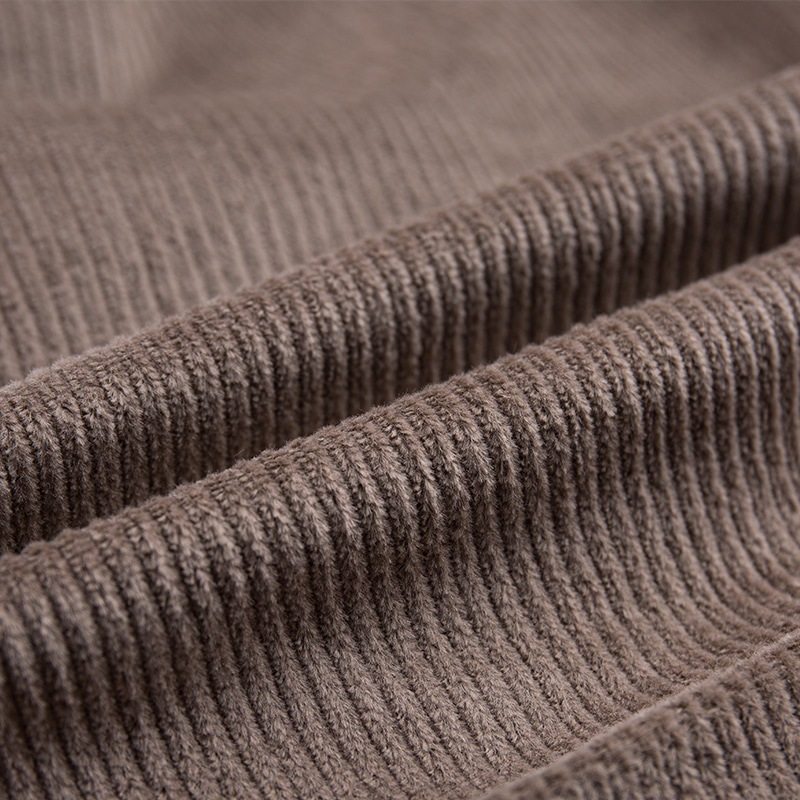
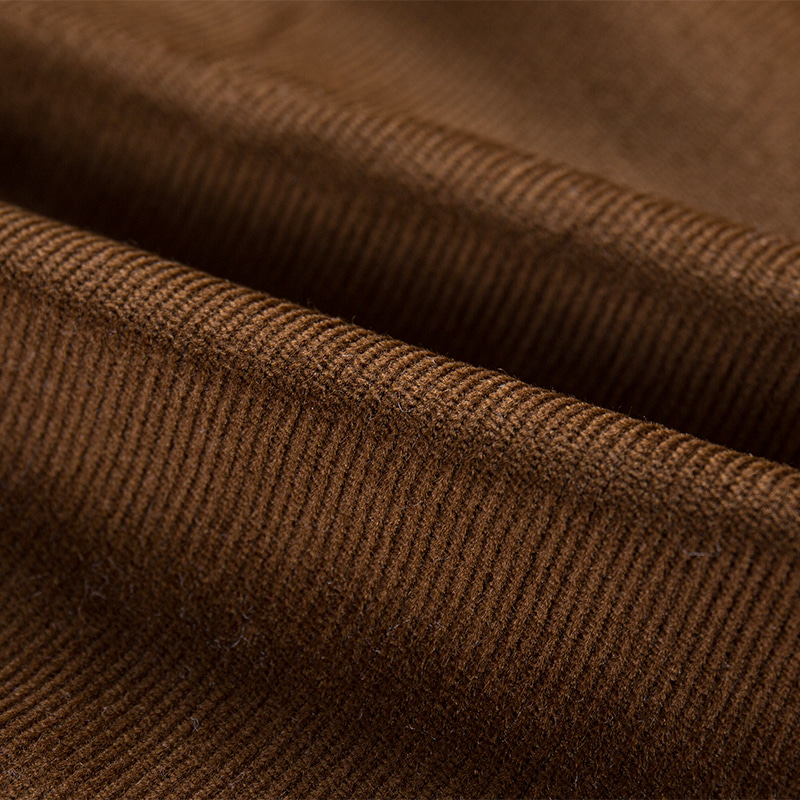
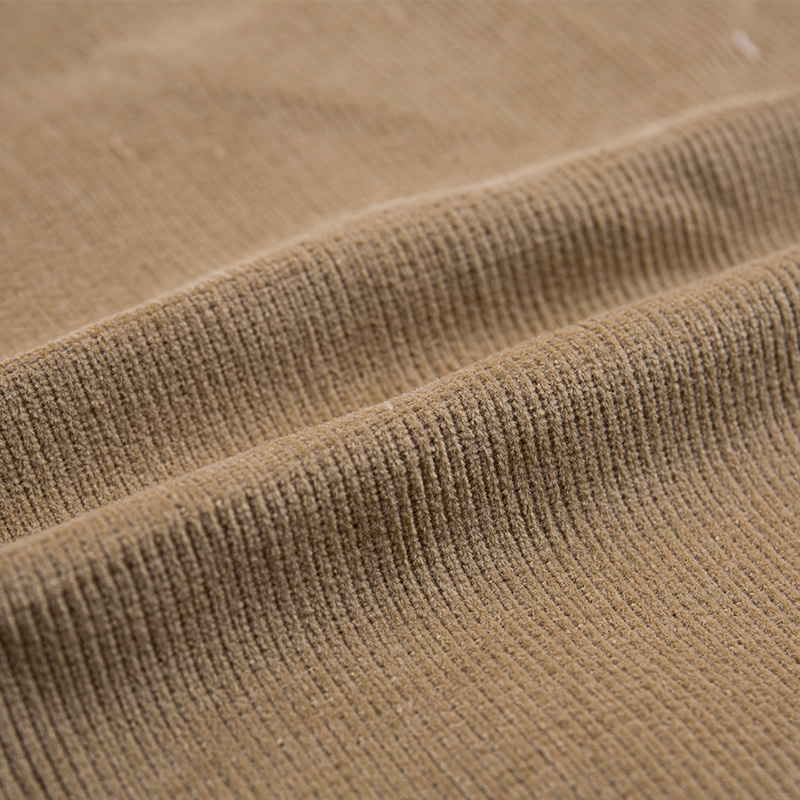
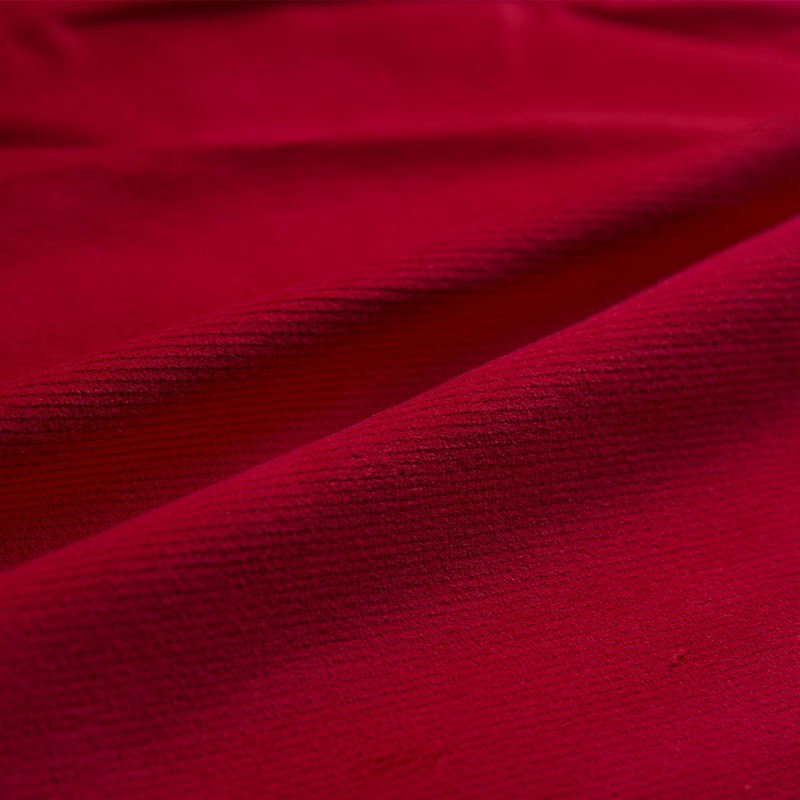
Corduroy is a distinctive ridged (corded) cotton fabric characterized by parallel raised lines or "wales" on its surface. It is soft to the touch, durable, and historically carries a touch of luxury—its name derives from the French "corde du roi" (the king's cord).
Textured Structure
Woven with pile yarns that form visible "cords" or ridges. The thickness of these ridges is measured in "wales per inch" (e.g., fine, medium, wide wale).
Material
Traditionally made of cotton, but modern versions may include blends with linen, polyester, or stretch fibers like elastane.
Durability & Warmth
A thick, hard-wearing fabric that traps air in its pile, making it ideal for cool-weather clothing.
Apparel: Trousers, jackets, shirts, dresses (often associated with vintage or academic styles).
Footwear & Accessories: Sneakers, caps, backpacks.
Home Décor: Upholstery, cushions, curtains (adds a rustic or retro feel).
Fine-wale (≥16 wales/inch): Sleek and subtle, used for shirts and lightweight trousers.
Medium-wale (11–15 wales): The most common, ideal for everyday pants and jackets.
Wide-wale (3–10 wales): Bold and rustic, often seen in outerwear and workwear-inspired designs.
Retro Casual: A 1970s staple revived in modern minimalist outfits.
Preppy/Academic: Khaki or earthy-toned corduroy pants paired with sweaters or Oxford shirts.
Utility Chic: Wide-wale pieces mixed with denim or leather for an edgy look.
Minimize abrasion: Rubbing over time may wear down the ridges.
Gentle washing: Hand wash or machine wash cold inside-out, avoid high-heat drying to prevent shrinkage.
Storage: Hang to maintain shape and avoid sharp creases.
Today, corduroy has evolved from practical workwear into a versatile fabric that blends vintage charm with contemporary style, often updated with stretch blends for comfort—making it a timeless choice for autumn and winter wardrobes.
Get in Touch
We're here for you when you need us.
Contact Information
Add:
No. 517 Huanzhu Road, High-Tech Zone, Wuxing District, Huzhou City, Zhejiang Province, China.
E-mail:
QR Code
Join our community and stay connected

 English